Incentive Platform for Channel Marketing Teams
Channel marketing leaders are responsible for driving engagement and performance across partner networks, distributors, resellers, and indirect sales channels. But managing partner incentives at scale is often complex, fragmented, and difficult to measure.
Many channel marketing programs rely on disconnected systems, manual processes, and multiple vendors across regions. This creates operational inefficiencies, inconsistent partner experiences, and limited visibility into what is actually driving partner engagement and revenue.
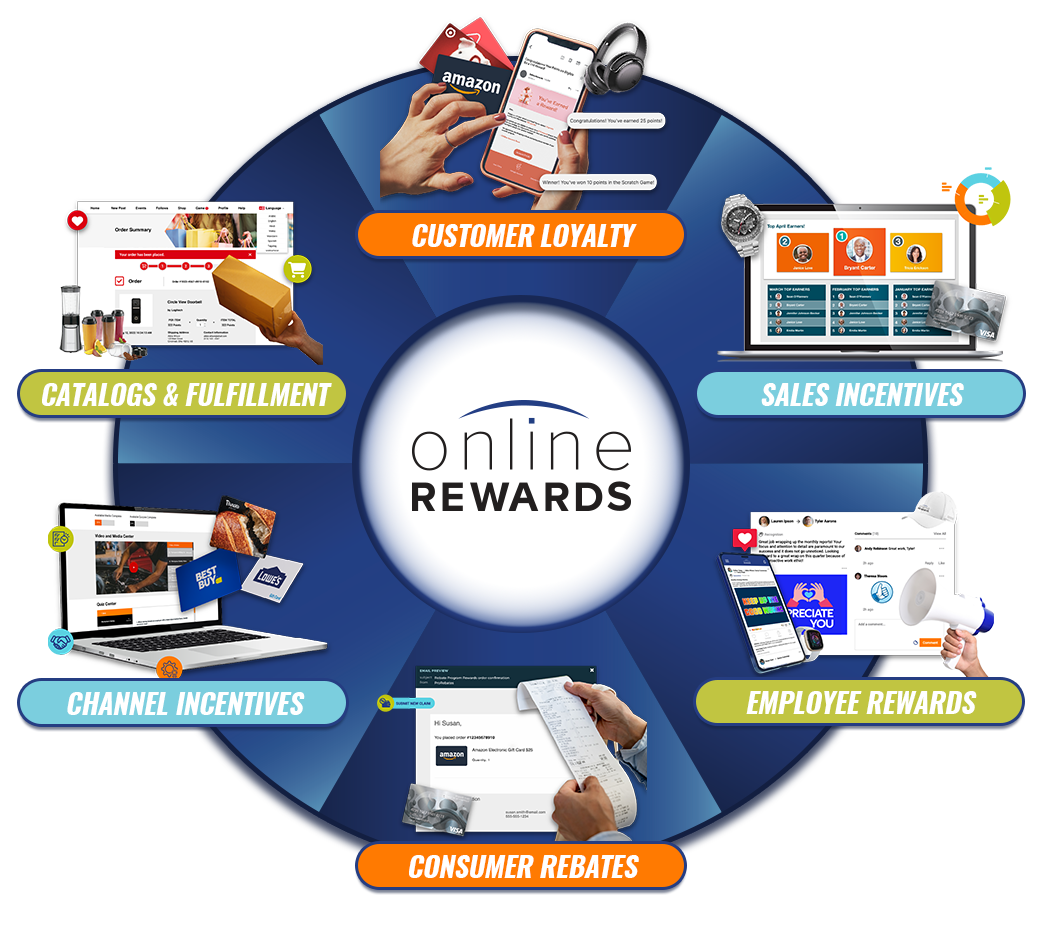
A modern incentive platform gives channel marketing teams a centralized way to manage rewards, automate partner programs, and scale channel engagement globally. Instead of running fragmented campaigns across different systems, organizations can manage every incentive initiative through one platform.
Why Incentives Matter in Channel Marketing
Channel relationships are driven by engagement, motivation, and visibility. Partners are often managing multiple vendors at the same time, which means businesses need structured incentive strategies to stay top of mind and encourage action.
Incentives help channel marketing teams:
- Increase partner engagement
- Drive product-specific sales
- Improve partner retention
- Encourage training and certification
- Accelerate deal registration
- Support MDF and promotional campaigns
- Increase participation in partner programs
When incentives are aligned with partner goals, they create stronger relationships and more predictable channel performance.
The Challenge of Managing Channel Incentives
Many channel marketing teams still manage incentives through spreadsheets, emails, and disconnected tools.
This creates common operational challenges such as:
- Limited visibility into partner activity
- Manual reward fulfillment
- Inconsistent experiences across regions
- Delays in reward delivery
- Difficulty tracking ROI
- Fragmented partner communications
- Multiple reward vendors and suppliers
As partner ecosystems grow, these issues become harder to manage. Programs that work for a smaller channel network often struggle when expanded internationally or across multiple product lines.
For channel marketing leaders, this creates operational friction that slows down engagement and limits scalability.
A Centralized Incentive Platform for Channel Programs
A unified incentive platform replaces fragmented partner incentive systems with a centralized solution.
This allows channel marketing teams to:
- Manage all partner programs from one platform
- Automate reward delivery based on partner activity
- Launch campaigns faster
- Deliver global rewards consistently
- Track engagement and performance in real time
- Reduce manual administration
- Scale programs across regions and partner tiers
Instead of managing multiple systems and suppliers, teams can centralize everything into one platform.
Platforms such as Online Rewards are designed to support global channel incentive programs through centralized management and international reward fulfillment.
Channel Incentive Programs That Drive Engagement
Modern channel programs are designed to influence specific partner behaviors and align channel activity with business objectives.

Partner Sales Incentives
Sales incentives motivate partners to prioritize products, generate pipeline, and close deals.
Common examples include:
- Product launch incentives
- Revenue-based reward programs
- Quarterly sales competitions
- Growth incentives for strategic accounts
- Multi-tier partner rewards
These programs help channel teams focus partner attention on the activities that drive revenue growth.

Deal Registration Incentives
Deal registration programs encourage partners to bring opportunities into the pipeline earlier and increase transparency across the sales process.
Rewards can be tied to:
- New opportunity registration
- Qualified pipeline creation
- Closed-won business
- Strategic account development
This creates stronger alignment between vendors and channel partners.

Training and Certification Programs
Many organizations use incentives to increase participation in partner education and enablement.
Examples include:
- Certification completion rewards
- Product training incentives
- Webinar participation campaigns
- Enablement milestone recognition
These programs improve product knowledge while increasing partner engagement over time.

Partner Engagement Campaigns
Beyond sales activity, incentives can be used to increase participation in broader channel initiatives.
This may include:
- Event participation
- Marketing campaign involvement
- Co-branded content programs
- Partner community engagement
By rewarding ongoing engagement, businesses can strengthen long-term channel relationships.
Global Partner Incentives at Scale
Enterprise channel programs often span multiple countries and regions, creating additional complexity around fulfillment, currencies, and localization.
Challenges commonly include:
- Different reward preferences by region
- Multiple local vendors
- Currency management
- Delivery logistics
- Inconsistent user experiences
A global incentive platform addresses these issues by providing:
- Multi-country reward delivery
- Localized rewards catalogs
- Global fulfillment infrastructure
- Centralized reporting
- Consistent partner experiences across regions
This allows channel marketing teams to scale programs globally without adding operational complexity.
Integrating Incentives Into Channel Workflows
Modern incentive platforms are designed to integrate directly into partner ecosystems and existing systems.
This includes integration with:
- Partner relationship management (PRM) platforms
- CRM systems
- Marketing automation tools
- Learning management systems
- Deal registration systems
Integration enables rewards to be triggered automatically based on partner behavior and performance. This reduces manual work while improving accuracy and responsiveness.
Many organizations struggle to measure the true impact of channel incentive programs because data is spread across multiple systems and vendors.
A centralized platform provides visibility into:
- Partner participation rates
- Revenue impact
- Engagement trends
- Reward redemption behavior
- Campaign effectiveness
- Program ROI
This allows channel marketing leaders to understand which programs are driving results and where optimization opportunities exist.
Rather than relying on fragmented reporting, teams can make decisions using centralized performance data.
Managing channel incentives manually consumes significant time and resources.
This often includes:
- Coordinating multiple vendors
- Managing reward approvals
- Tracking campaign participation
- Handling fulfillment issues
- Building performance reports
A unified platform automates many of these processes, reducing operational overhead and allowing channel teams to focus on strategy and partner growth.
For organizations running multiple partner programs simultaneously, this efficiency becomes critical.
As channel ecosystems become larger and more globally distributed, businesses are moving away from fragmented incentive setups and toward centralized platforms.
Key drivers include:
- Improving partner engagement
- Increasing operational efficiency
- Standardizing global programs
- Reducing vendor complexity
- Improving visibility into performance
- Scaling channel programs more effectively
A centralized platform enables channel teams to move faster while delivering a more consistent partner experience.
Partner incentives are no longer isolated campaigns. They are becoming part of the broader channel infrastructure used to drive long-term engagement and revenue growth.
A modern incentive platform allows businesses to:
- Automate partner rewards
- Scale programs globally
- Integrate incentives into partner workflows
- Track performance in real time
- Improve engagement across the entire channel ecosystem
Platforms such as Online Rewards help organizations manage global channel incentives through a single, scalable system.
Get Started With a Channel Incentive Platform
If your organization is managing partner incentives across multiple systems or regions, a centralized platform can improve efficiency and performance.
With the right infrastructure, channel marketing teams can:
- Increase partner engagement
- Automate global reward delivery
- Reduce operational overhead
- Improve visibility into ROI
- Scale partner programs more effectively
FAQs
What is a channel incentive platform?
A channel incentive platform is software that helps businesses manage reward-based programs for partners, distributors, and resellers.
How do partner incentive platforms work?
They track partner activity, apply program rules, and automate reward delivery based on performance or engagement.
What types of channel incentives can be managed?
Programs can include sales incentives, deal registration rewards, training incentives, and partner engagement campaigns.
Can channel incentive platforms support global programs?
Yes, enterprise platforms support multiple countries, currencies, and localized rewards across regions.
Why do channel marketing teams use incentive platforms?
They use them to improve partner engagement, automate reward management, reduce operational complexity, and increase visibility into program performance.