
The insurance industry is changing fast.
For decades, most life insurance companies operated with a relatively simple model. Customers purchased a policy, paid their premiums, and interacted with the company only occasionally. Engagement was limited. Experiences were transactional. Communication often centered around paperwork, renewals, or claims. Today, that model is evolving.
Consumers now expect personalized experiences, mobile accessibility, instant gratification, and interactive engagement from nearly every brand they interact with. Insurance companies are beginning to recognize that policyholders want more than coverage. They want experiences that feel relevant, motivating, and rewarding.
That shift recently gained national attention in a feature by NPR titled “Spin to win: How this life insurance company turns healthy habits into a game.” The article explored how John Hancock Vitality transformed wellness engagement into an interactive, rewards-driven experience designed to motivate healthier lifestyles through gamification and incentives.
The story highlighted a growing trend across industries: companies are using rewards and behavioral engagement strategies to create stronger relationships with their audiences.
Behind programs like Vitality sits an important piece of the puzzle that often goes unnoticed. The reward infrastructure itself.
Online Rewards is proud to help support the digital rewards ecosystem that powers experiences like this at scale.
The NPR article paints a clear picture of how dramatically the insurance experience has evolved. Instead of interacting with customers only during enrollment or policy updates, John Hancock Vitality created an ongoing wellness journey that encourages daily participation. Members can earn rewards and incentives by completing healthy activities and tracking positive behaviors.
As users engage with the program, they move through different status levels and unlock additional rewards and perks. The experience feels less like a traditional insurance program and more like an interactive wellness platform.
Modern consumers engage more consistently when experiences feel dynamic, personalized, and rewarding. Static programs often struggle to maintain long-term participation. Gamified engagement creates momentum because users feel like they are actively progressing toward something.
The NPR feature highlighted how even simple mechanics like spin-to-win opportunities and achievement levels can help create excitement and encourage continued participation.
One participant in the article, Matt Hudack, described the experience simply by saying, “The spins are fun.”
That short quote says a lot about modern engagement strategy. Programs that feel enjoyable create emotional connections with users. They encourage repeat participation because people want to return to the experience, not because they feel forced to.
That is exactly why more organizations are investing in engagement strategies that combine behavioral science with digital rewards.
Gamification is no longer just a marketing buzzword. Companies across healthcare, HR, retail, financial services, and insurance are increasingly adopting gamified engagement models because they work.
When organizations combine those elements with meaningful incentives, participation often increases significantly.
The NPR article referenced how users became motivated not only by the value of the rewards themselves, but also by the anticipation and enjoyment built into the experience. That emotional engagement is important because it transforms participation from an obligation into a habit.
Instead of simply telling people to live healthier lifestyles, the program encourages action through positive reinforcement.
John Hancock CEO, Brooks Tingle, captured this shift perfectly in the article when he explained, “What we’ve done is literally turn that around. This is about living, and living better.”
That mindset reflects a much broader industry movement.
Organizations no longer want engagement programs that simply check a box. They want experiences that actively influence participation, improve consistency, and create stronger long-term relationships with customers and users.
That same engagement strategy applies across countless industries today. Healthcare organizations use incentives to improve wellness participation and patient adherence. Employers use rewards and recognition to improve employee engagement and retention. Sales organizations use gamification and SPIFF programs to motivate channel partners and dealer networks. Loyalty programs use achievement tiers and points systems to encourage repeat purchases and long-term customer relationships.
The psychology behind all of these programs follows a similar pattern. People stay engaged when experiences feel rewarding and interactive.

From the outside, programs like Vitality may appear simple. Users complete activities and receive rewards.
Behind the scenes, however, enterprise engagement programs require significant technology infrastructure to operate effectively at scale.
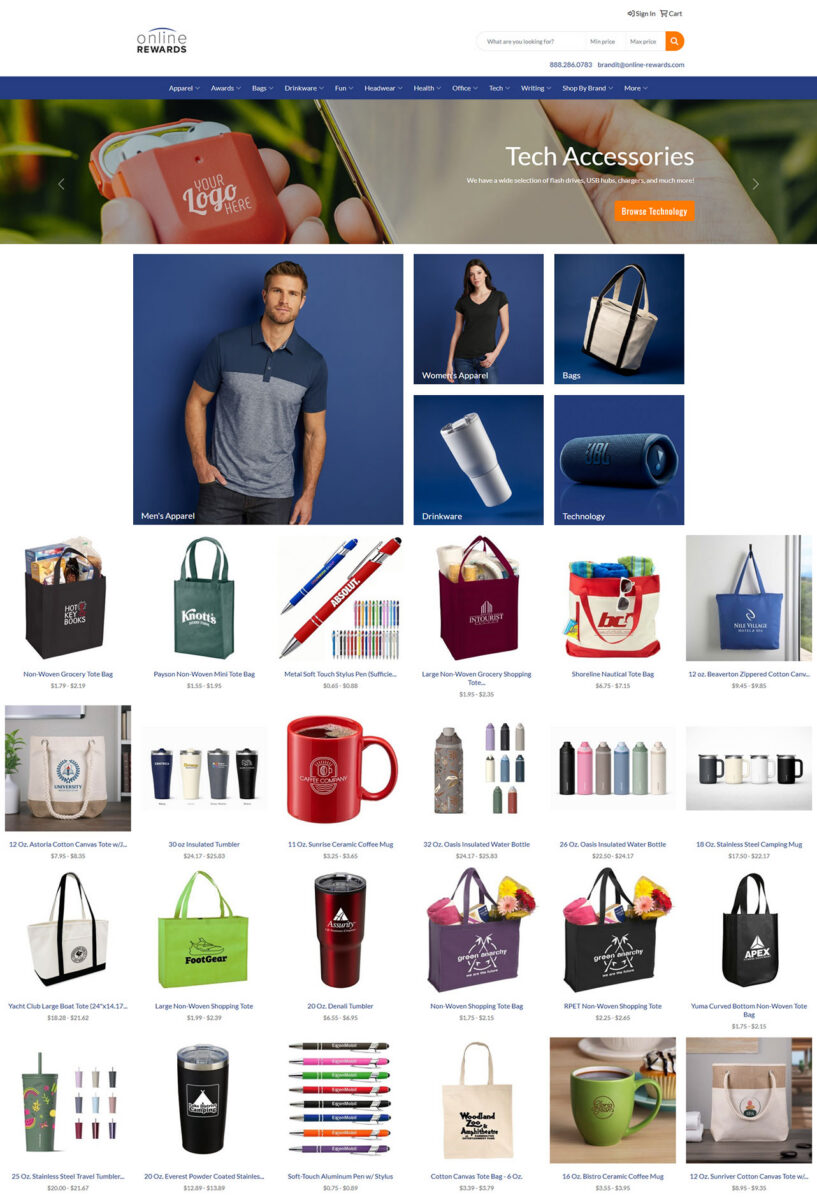
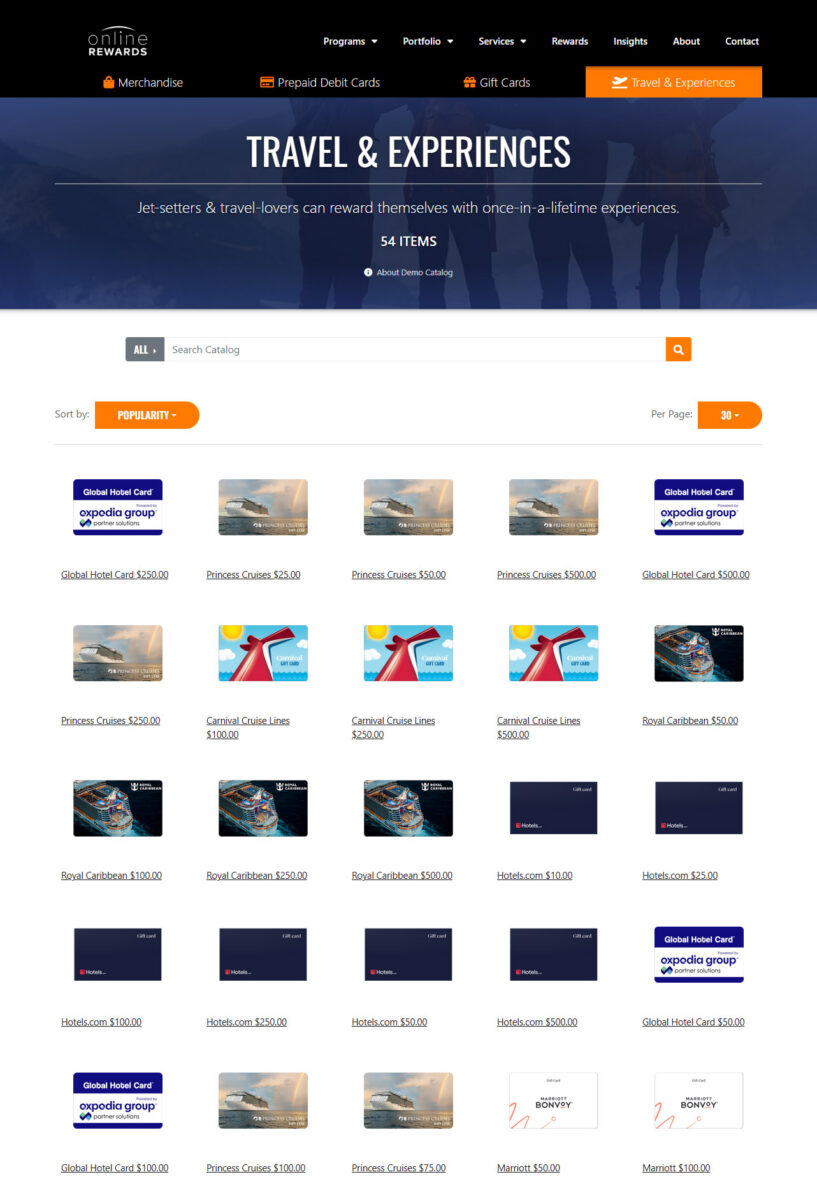
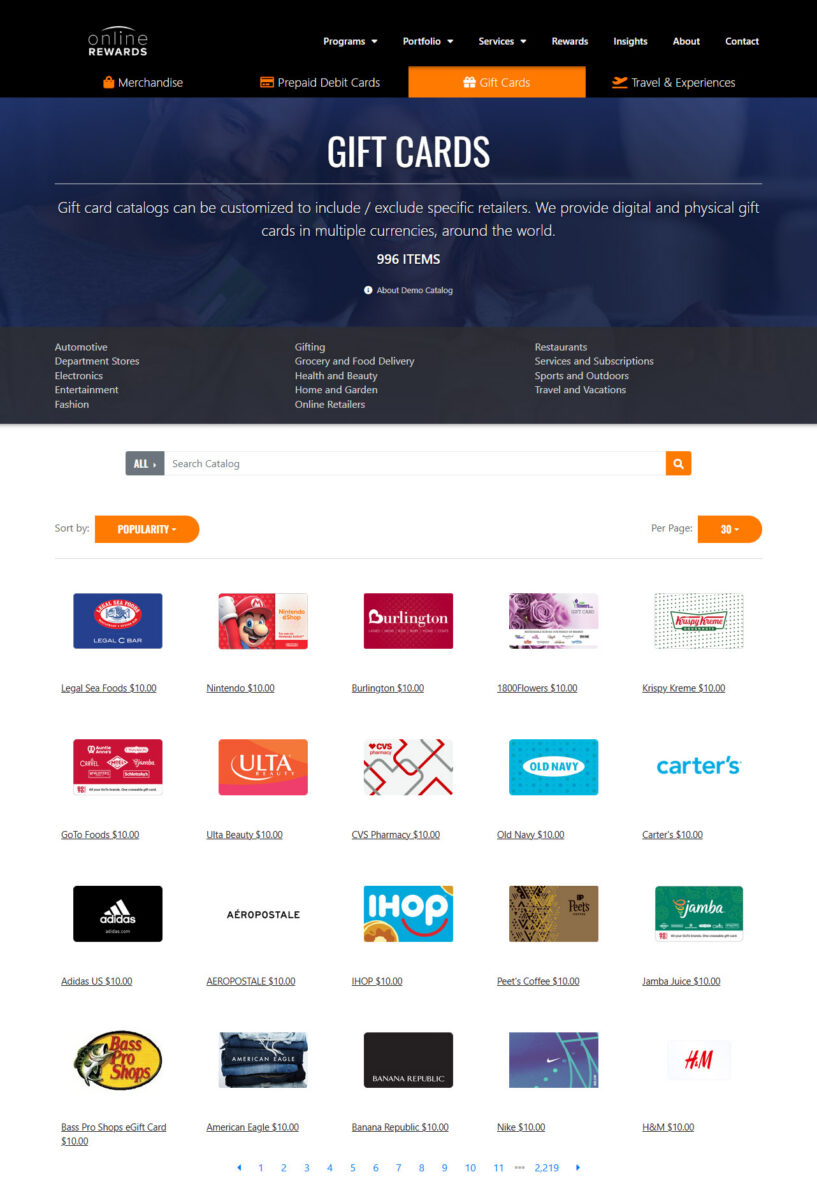
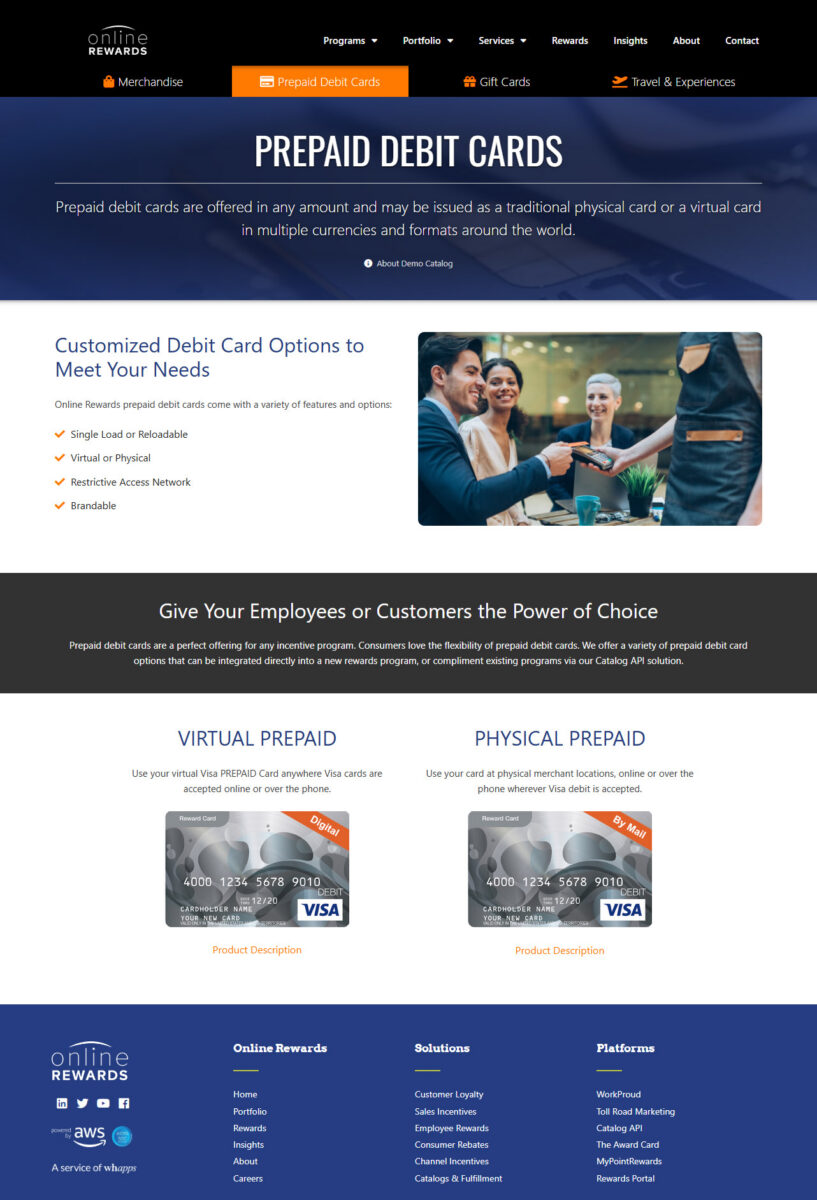
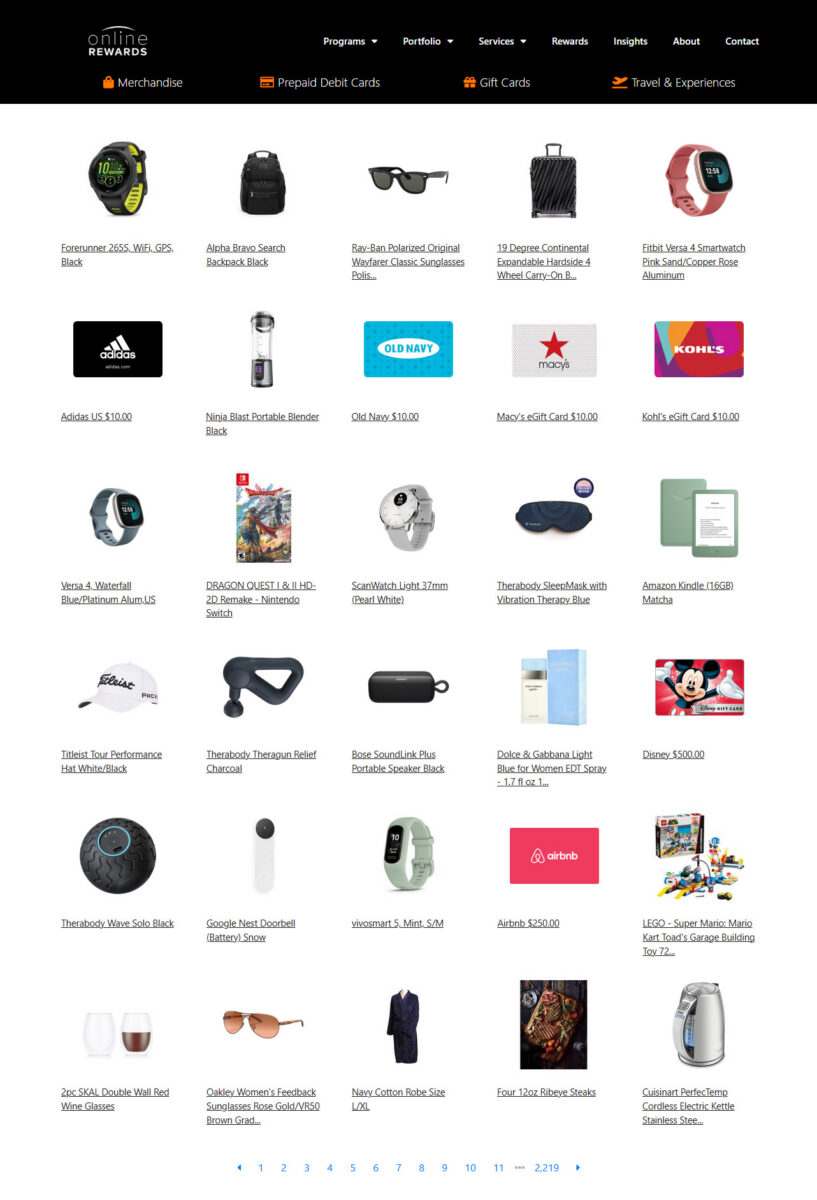
The rewards themselves also matter. Today’s users expect flexibility and choice. One participant may want digital gift cards. Another may prefer travel perks, merchandise, dining experiences, subscriptions, or branded promotions.
Organizations need reward ecosystems capable of supporting a wide variety of options while maintaining a seamless user experience. That is where scalable rewards technology becomes critical.
Online Rewards helps organizations support these types of engagement ecosystems through a flexible digital rewards infrastructure designed for enterprise-scale programs. Instead of treating rewards as an afterthought, modern engagement programs integrate rewards directly into the overall customer experience.
One of the most interesting themes in the NPR article is how the Vitality program transforms insurance from a reactive product into an ongoing relationship.
Those touchpoints were limited. Programs like Vitality create continuous engagement instead. Users interact with the experience regularly because participation feels beneficial, rewarding, and enjoyable. That ongoing engagement creates value for everyone involved.
Participants receive incentives, motivation, and wellness benefits. Brands build stronger relationships and improve long-term customer retention. Organizations also gain more opportunities to stay relevant in consumers’ daily lives.
This is one reason gamified engagement continues gaining momentum across industries. Companies are realizing that sustained engagement often delivers significantly greater long-term value than one-time transactions.
The relationship itself becomes part of the product experience.

As engagement expectations continue to rise, reward fulfillment technology is becoming increasingly important to enterprise organizations.
Programs that cannot deliver those experiences risk losing momentum and participation. This creates new pressure on brands to modernize their rewards ecosystems.
Organizations no longer want disconnected systems, manual fulfillment processes, or limited reward catalogs. They need scalable solutions capable of supporting complex engagement strategies across multiple audiences and regions.
For these organizations, rewards are no longer just incentives. Rewards have become an important part of the customer engagement strategy itself.
The technology supporting those rewards plays a major role in determining how successful a program can become.
The NPR feature also reflects a larger shift happening throughout the engagement industry. Companies are moving away from static communication strategies and toward behavioral engagement models. Instead of simply encouraging participation through emails or reminders, organizations now focus on influencing action through motivation, personalization, and rewards.
That is why industries across the board continue investing heavily in gamification and incentive strategies. People want experiences that feel engaging, rewarding, and personalized. Programs that successfully create those experiences often see stronger participation and longer-lasting engagement over time.
The insurance industry is simply one of the latest sectors to embrace this model at scale.
Being featured in a major outlet like NPR highlights how important engagement innovation has become.
The conversation is no longer limited to traditional loyalty programs or employee incentives. Behavioral engagement is now influencing industries that historically operated with far more transactional customer relationships.
The result is an experience people actively interact with instead of simply enrolling in once and forgetting about. For Online Rewards, supporting programs like this reinforces the growing importance of scalable rewards infrastructure in the modern engagement economy.
As organizations continue looking for new ways to motivate audiences, strengthen loyalty, and create meaningful engagement experiences, rewards technology will continue playing a larger strategic role. The future of engagement is not passive. It is interactive, personalized, and behavior-driven. And increasingly, it is powered by rewards.