
Employee retention has become one of the most important priorities for HR and Total Rewards leaders. Yet many organizations still approach recognition as a series of disconnected moments rather than a cohesive strategy. They invest in onboarding experiences, celebrate milestone anniversaries, and implement recognition platforms, but these efforts often operate independently. The result is a fragmented employee experience that fails to build lasting engagement.
The reality is simple. Employees do not decide to stay because of a single moment. They stay because of how they feel over time. That feeling is shaped by consistent recognition, meaningful rewards, and a sense that their contributions matter from day one through year ten and beyond. A modern employee rewards strategy must reflect this shift. It must move from isolated programs to a continuous lifecycle approach that integrates onboarding, milestones, daily recognition, and culture into a single seamless experience.
Workplace expectations have evolved significantly over the past few years. Employees now expect real-time feedback, personalized experiences, and recognition that feels authentic rather than performative. Annual awards and occasional praise are no longer enough to sustain engagement.
According to Gallup research, employees who receive regular recognition are more engaged, more productive, and significantly less likely to leave their organization. In fact, their findings show that employees who do not feel adequately recognized are twice as likely to say they will quit within the next year.
This data reinforces a critical point for Total Rewards leaders. Recognition must be continuous, not periodical. It should be embedded into the everyday employee experience, not reserved for special occasions.
The employee rewards journey starts earlier than many organizations realize. It begins before an employee’s first day and solidifies within their first few months. Onboarding is not just about orientation or paperwork. It is the first emotional connection an employee forms with the company. Research shows that effective onboarding improves new hire retention by 82% and productivity by over 70%.
Onboarding kits play a meaningful role in this stage. A well-crafted kit does more than deliver branded items. It signals that the organization values the employee’s arrival and is invested in their experience. It creates a sense of belonging from the start.
However, the most effective onboarding strategies extend beyond physical or digital kits. They incorporate early recognition moments that reinforce positive behaviors and contributions. Recognizing a new hire’s first achievements, no matter how small, helps build confidence and connection. It accelerates engagement and reduces the risk of early turnover.
For HR leaders, this stage sets the tone for everything that follows. A strong onboarding experience is not a standalone initiative. It is the foundation of a long-term rewards journey.
As employees move beyond onboarding, the risk of disengagement increases if recognition becomes inconsistent. This is where milestone-based rewards play a critical role in maintaining connection and reinforcing value.
Milestones such as service anniversaries, promotions, and major accomplishments provide natural opportunities to recognize contributions. However, traditional approaches often fall short. Generic awards can feel impersonal, diminishing their impact.
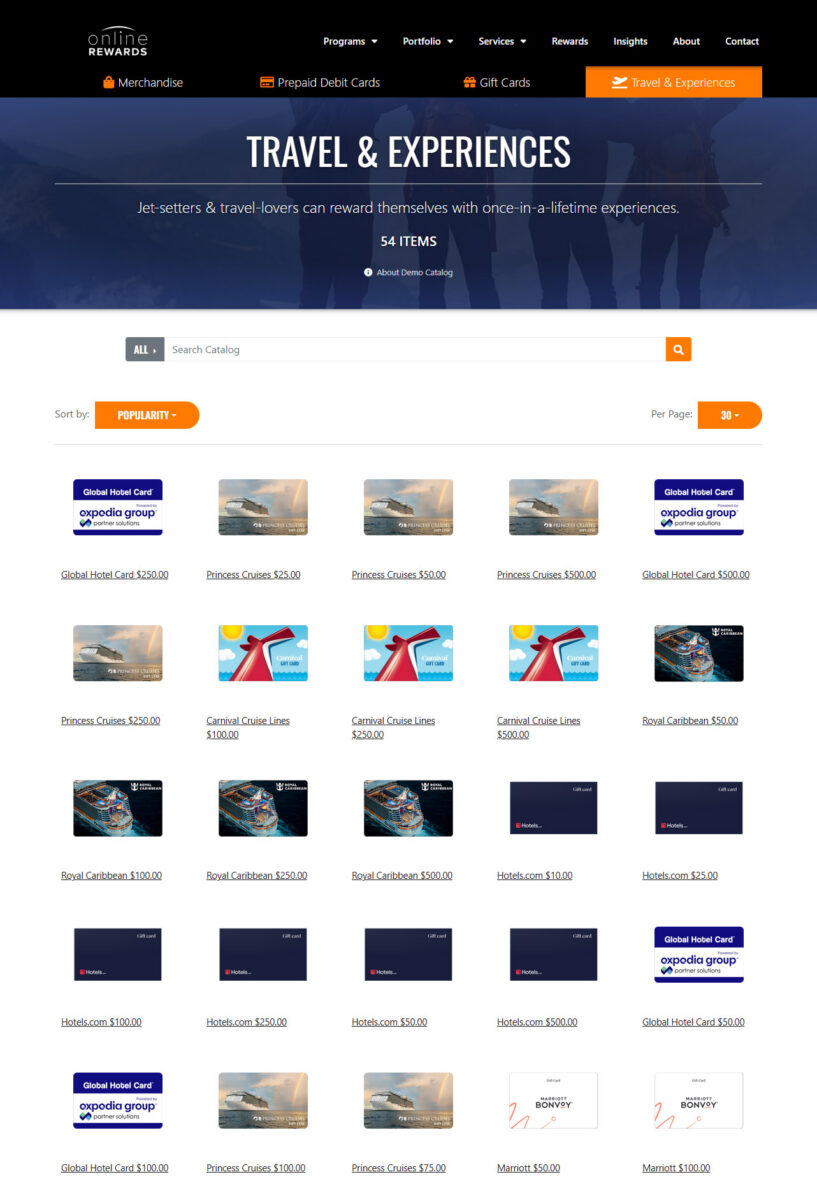
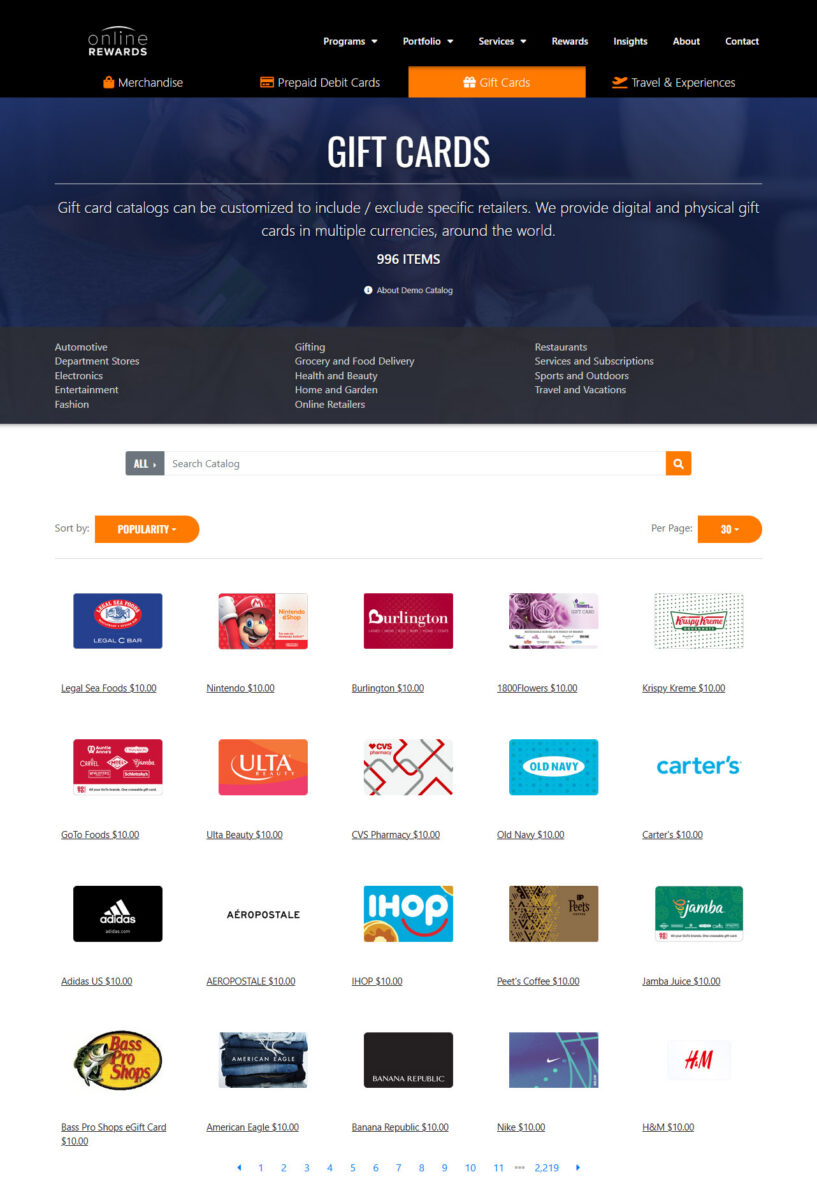
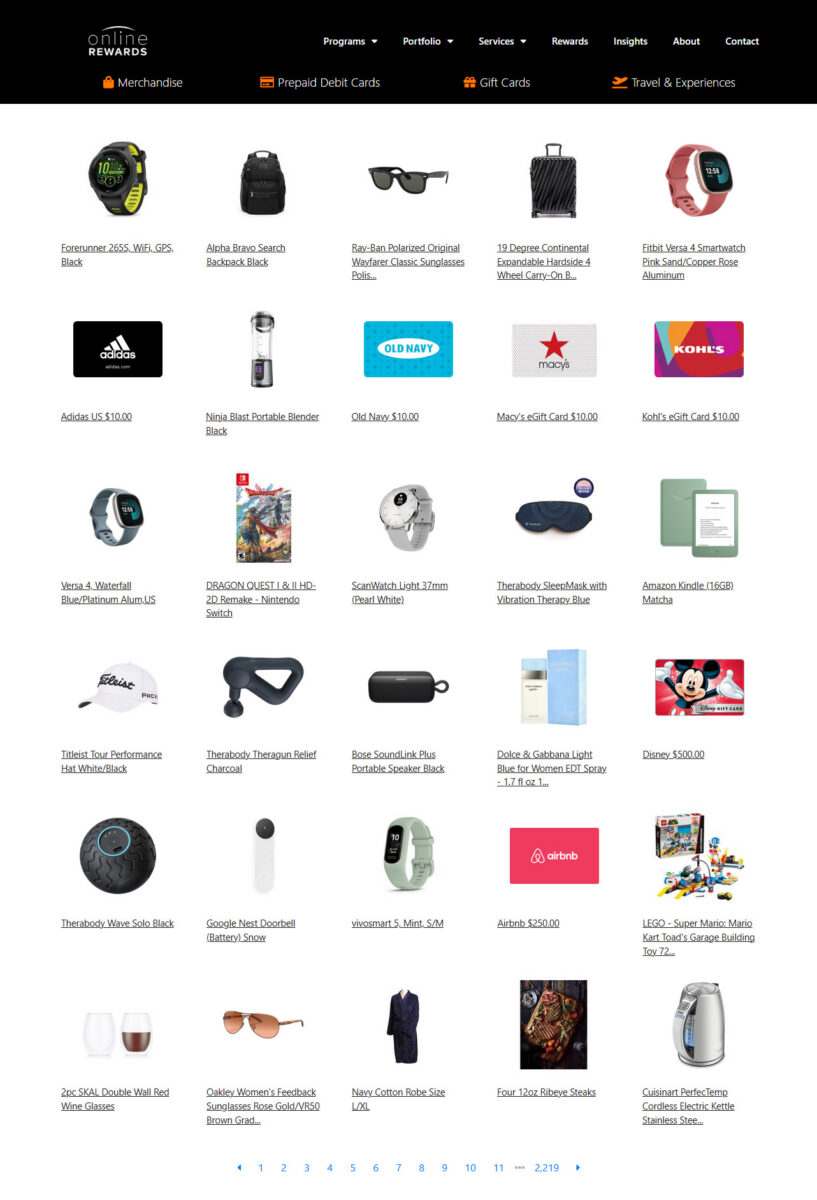
Modern Total Rewards strategies focus on personalization. Employees are given the ability to choose rewards that align with their preferences, whether that includes merchandise, travel, experiences, or digital rewards. This shift toward choice significantly increases the perceived value of recognition.
Data from Deloitte highlights that organizations with strong recognition cultures are more likely to outperform their competitors in employee engagement and retention.
Milestones should feel meaningful, not routine. When done correctly, they reinforce an employee’s sense of progress and belonging within the organization.

While milestones are important, they are not frequent enough to sustain engagement on their own. Employees need consistent reinforcement in their day-to-day work. This is where points-based rewards systems become essential.
Points systems allow organizations to recognize behaviors in real time. Employees can earn points for collaboration, performance, innovation, and other actions that align with company values. These points can then be redeemed through a rewards catalog, creating a tangible connection between effort and reward.
This approach taps into fundamental behavioral principles. Immediate reinforcement strengthens desired behaviors, while tangible rewards increase motivation. According to research published by Harvard Business Review, recognition that is timely and specific is far more effective at driving performance than delayed or generic feedback.
For Total Rewards leaders, points systems provide scalability. They allow recognition to happen frequently without placing the entire burden on managers. They also create consistency across teams and geographies, ensuring that all employees have access to the same opportunities for recognition.
Recognition becomes even more powerful when it is shared. Social recognition introduces a cultural dimension that extends beyond individual rewards.
Peer-to-peer recognition enables employees to acknowledge each other’s contributions in real time. This creates visibility and reinforces behaviors that align with organizational values. It also facilitates a sense of community and belonging.
Research from MIT Sloan indicates that employees who feel a strong sense of belonging are significantly more engaged and less likely to leave.
Social recognition also democratizes appreciation. It moves recognition beyond leadership and embeds it into the fabric of everyday work. Employees no longer have to wait for formal reviews or manager feedback. They receive immediate acknowledgment from their peers.
For HR leaders, this creates a culture where recognition is not just encouraged but expected.
The most effective employee rewards strategies are not defined by individual programs but by how those programs work together. A lifecycle approach ensures that recognition is consistent across every stage of the employee experience.
It begins with onboarding, where employees form their first impressions. It continues through early recognition, which builds confidence and engagement. It evolves into points-based systems that drive daily motivation. It is reinforced through milestone awards that celebrate long-term contributions. And it is sustained through social recognition that strengthens culture.
When these elements are connected, they create a seamless experience. Employees feel valued at every stage of their journey. They see a clear link between their contributions and the recognition they receive.
This consistency is what drives retention.

Despite the growing awareness of continuous recognition, many organizations still struggle to implement it effectively. One common challenge is over-reliance on a single component, such as milestone awards, without supporting day-to-day recognition. Another is a lack of personalization, which reduces the perceived value of rewards.
Inconsistency is another major issue. When recognition depends heavily on individual managers, it can vary widely across teams. Some employees receive frequent acknowledgment, while others receive little to none. This inconsistency can lead to disengagement and turnover.
Technology also plays a role. Without the right platform, it is difficult to scale recognition across the organization or integrate it into daily workflows. Systems that are difficult to use or disconnected from existing tools often see low adoption.
Addressing these gaps requires a strategic approach that prioritizes integration, accessibility, and employee experience.
The workforce is more dynamic than ever. Hybrid work environments, shifting expectations, and increased competition for talent have raised the stakes for employee engagement and retention. According to the U.S. Bureau of Labor Statistics, voluntary turnover remains a significant challenge across industries, reinforcing the need for proactive retention strategies.
For Total Rewards and HR leaders, this presents both a challenge and an opportunity. Organizations that invest in continuous recognition and connected rewards strategies will be better positioned to attract, engage, and retain top talent.
Building a modern employee rewards journey is not about adding more programs. It is about creating a connected experience that evolves with the employee over time.
From onboarding kits that create strong first impressions to milestone awards that reinforce long-term value, from points-based systems that drive daily motivation to social recognition that builds culture, every element plays a role.
When these components are aligned, recognition becomes more than a program. It becomes part of how the organization operates.
And when employees feel consistently valued, they are far more likely to stay, contribute, and grow with the company. Connect with one of our rewards experts to learn more.