
Rewards programs work by encouraging specific behaviors through incentives, recognition, or points that users can redeem for rewards. Businesses use them to increase engagement, reinforce actions, and build stronger long-term relationships with customers, employees, and partners.
Modern rewards programs are no longer limited to simple points systems or customer loyalty cards. Today, businesses use rewards infrastructure to influence a wide range of behaviors across multiple audiences and regions.
Whether the goal is improving customer retention, motivating employees, increasing sales performance, or driving partner engagement, rewards programs are designed to create ongoing participation and measurable outcomes.
At their core, rewards programs are behavior systems. The reward itself matters, but the real purpose is to encourage users to repeat actions that create value for the business.
A rewards program is a structured system that gives users incentives, recognition, or benefits in exchange for specific actions or behaviors.
Some programs are designed around point accumulation, while others focus on direct rewards, milestones, recognition, or status-based systems.
Although the structure may vary, the goal remains consistent: encouraging repeat participation and reinforcing valuable behaviors over time.
Most rewards programs follow a similar structure, regardless of the audience or use case.
The first step is defining the behavior the business wants to encourage.
Examples may include:
The more clearly the behavior is defined, the easier it is to build an effective rewards system around it.
Once the behavior is defined, the program tracks when users complete the desired action.
This may happen through:
Modern rewards platforms increasingly automate this process through integrations and APIs.
After the behavior is completed, users receive some form of incentive.
This could include:
The reward acts as positive reinforcement, encouraging the behavior to happen again in the future.
Rewards may be delivered instantly or redeemed later, depending on the structure of the program.
Some systems use:
Modern platforms automate fulfillment and delivery, reducing operational overhead and improving user experience.
The most effective rewards programs create ongoing engagement loops.
Users begin to associate certain behaviors with positive outcomes, which increases the likelihood of repeat participation.
This is why rewards programs are often designed around:
The goal is not just a one-time activity. It is long-term behavioral reinforcement.

Businesses use rewards programs because they help influence behavior in a measurable and scalable way.
They also provide businesses with a structured way to align incentives with strategic goals.
For example:
Rewards programs are flexible because they can be adapted to different audiences and business objectives.
There are many different types of reward programs, each designed around specific behaviors and outcomes.
Customer rewards programs are designed to increase retention and repeat activity.
These programs often reward:
Modern customer loyalty programs increasingly focus on long-term engagement rather than simple transactional points systems.
Employee rewards programs help organizations improve engagement, retention, and workplace culture.
Examples include:
Recognition often plays a major role in employee-focused programs.
Partner rewards programs help businesses motivate distributors, resellers, and affiliates.
These programs may reward:
Channel incentive systems are especially common in enterprise B2B organizations.
Sales rewards programs are designed to improve performance and motivate specific sales behaviors.
Examples include:
These programs often combine short-term motivation with long-term engagement structures.
Referral programs reward users for introducing new customers, partners, or participants to the business.
These systems are commonly used to:
Referral rewards may include points, discounts, gift cards, or exclusive access incentives.

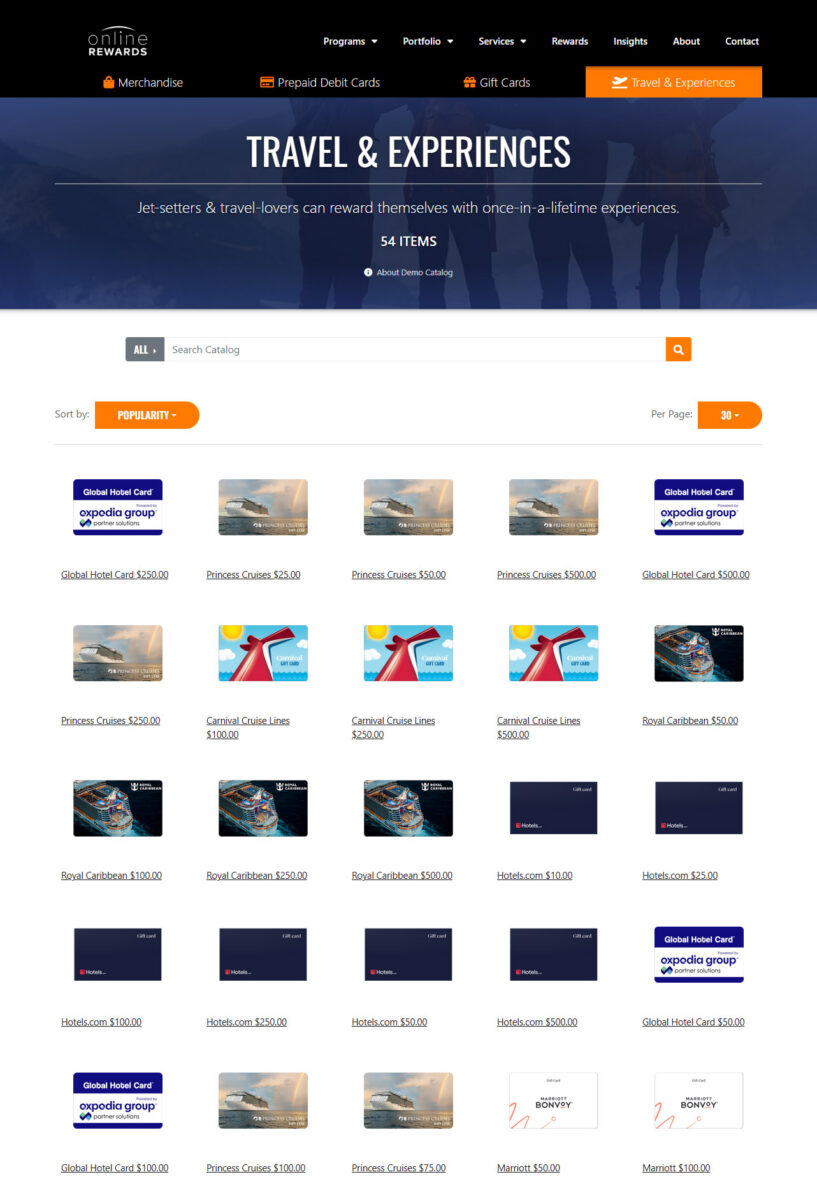
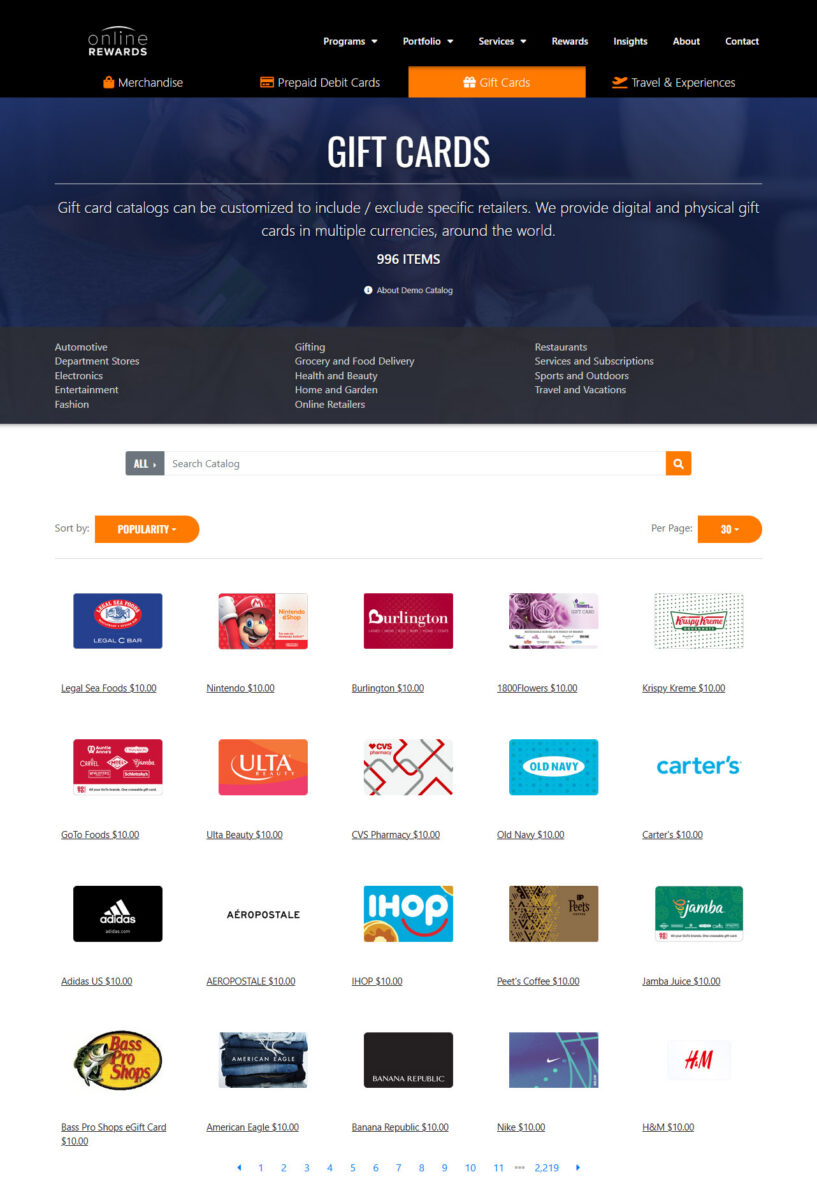
Rewards programs can include a wide variety of incentives depending on the audience and objective.
The most effective programs typically provide flexibility and user choice.
Different audiences are motivated by different types of rewards, particularly across global regions and cultures.
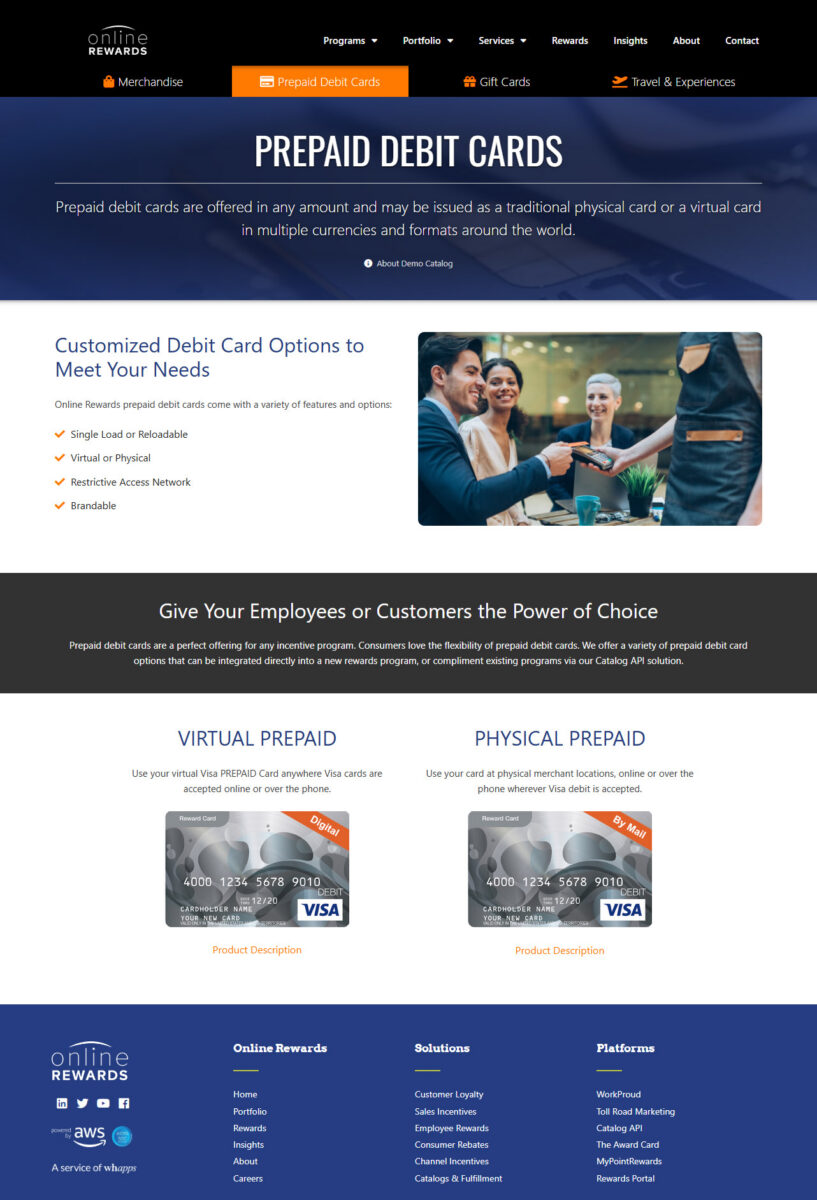
Platforms such as Online Rewards provide access to global rewards catalogs that allow businesses to deliver localized incentives across multiple countries and currencies.
Rewards programs work because they reinforce behavior psychologically.
When users receive positive reinforcement after completing an action, they are more likely to repeat that behavior in the future.
Several psychological principles influence how rewards programs perform.
Rewards are most effective when they are delivered quickly after the desired behavior occurs.
Immediate reinforcement strengthens the connection between the action and the reward.
People are more motivated when they can see progress toward goals or rewards.
This is why many programs use:
Visibility increases engagement and participation.
Not all motivation is financial.
Recognition, visibility, and status can be extremely powerful drivers of behavior, especially in employee and partner programs.
Overly complicated programs tend to reduce participation.
The most effective reward systems make it easy for users to understand:
Clear and simple structures increase trust and engagement over time.
As rewards programs scale, manual management becomes increasingly difficult.
Many organizations still rely on spreadsheets, disconnected vendors, and manual approval processes to manage incentives. While this may work for smaller initiatives, it quickly becomes inefficient at enterprise scale.
Modern rewards platforms solve these issues through automation.
This allows businesses to scale programs more efficiently while improving consistency and reducing operational complexity.
Automation also enables real-time incentives.
This immediacy strengthens behavioral reinforcement and improves engagement.
These integrations allow rewards programs to become embedded into existing workflows rather than operating as disconnected, standalone systems.
Platforms such as Online Rewards help organizations automate global rewards delivery, fulfillment, and engagement management from a centralized platform.

While rewards programs can be highly effective, many fail because of poor structure or operational complexity.
One common issue is overcomplication. Programs with confusing rules, unclear qualification criteria, or difficult redemption processes often reduce participation.
Another common problem is delayed rewards. The longer the delay between behavior and incentive delivery, the weaker the psychological reinforcement becomes.
Reward relevance is another challenge. A reward that motivates one audience may not motivate another, especially across global teams and customer bases.
Many organizations also struggle with fragmented systems. Separate tools for customers, employees, and partners often create inconsistent experiences and operational inefficiencies.
Finally, manual administration becomes increasingly difficult as programs scale. Managing approvals, fulfillment, reporting, and vendor relationships manually creates unnecessary operational overhead.
Modern rewards platforms are designed to solve these problems through automation, centralized infrastructure, and scalable program management.
The most effective rewards programs are built around behavior rather than rewards alone.
The first step is identifying the exact behavior you want to encourage.
Once the behavior is defined, the program structure should reinforce that action clearly and consistently.
Simplicity is critical. Users should immediately understand how the program works and what incentives are available.
Reward relevance also matters. Programs perform better when users have access to incentives that feel personally valuable and culturally relevant.
Measurement should also be built into the program from the beginning.
The most successful rewards programs are continuously optimized over time using engagement data and behavioral insights.
A rewards program is a system that gives users incentives, recognition, or benefits in exchange for specific actions or behaviors.
Rewards programs reinforce actions through incentives and recognition, increasing the likelihood that users will repeat those behaviors over time.
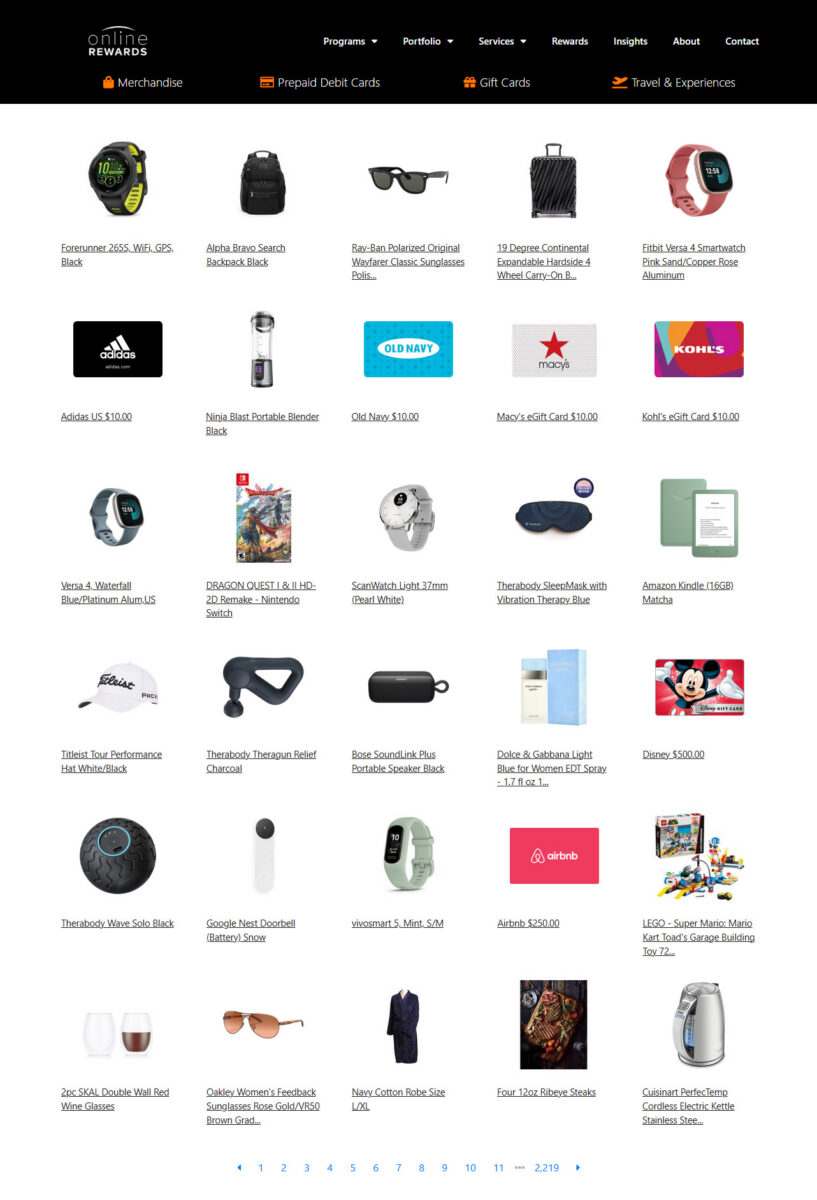
Businesses can offer gift cards, prepaid cards, merchandise, travel experiences, discounts, recognition, points systems, and other incentives.
No. Rewards programs are commonly used for employees, sales teams, channel partners, referrals, and broader engagement initiatives.
Rewards programs focus on incentives and reinforcement, while loyalty programs are broader, long-term engagement strategies designed to build ongoing relationships.
Rewards programs work by reinforcing behavior through incentives, recognition, and engagement systems.
Whether the audience is customers, employees, sales teams, or partners, the goal is the same: encouraging repeat participation and strengthening long-term engagement.
Modern rewards programs are no longer limited to simple points systems.
They are increasingly becoming scalable engagement infrastructures that support:
As organizations grow, centralized rewards platforms help simplify management, improve consistency, and provide better visibility into performance and ROI.
Platforms such as Online Rewards allow businesses to manage rewards programs globally through a single scalable system that supports customers, employees, and partners alike.
For modern organizations, rewards programs are not just about giving incentives away. They are strategic systems designed to influence behavior, improve engagement, and drive measurable business outcomes.