
Enterprise loyalty programs have evolved far beyond traditional customer rewards schemes.
Today, leading organizations are using loyalty strategies to influence behavior across customers, employees, partners, distributors, and broader engagement ecosystems. Loyalty is no longer just a marketing initiative. It is becoming part of the core infrastructure used to drive engagement, retention, and long-term business growth.
This shift is being driven by changing expectations around personalization, global scalability, and user experience. Businesses are realizing that engagement challenges across different audiences often share the same underlying need: creating consistent systems that reinforce valuable behaviors over time.
As a result, enterprise loyalty strategy is moving away from isolated programs and toward centralized engagement platforms that support multiple audiences from a single system.
An enterprise loyalty program strategy is a structured approach to building long-term engagement and repeat behavior across different groups connected to the business.
Unlike traditional loyalty programs that focus primarily on customer transactions, enterprise loyalty strategies are designed to influence behavior across a broader ecosystem.
At its core, loyalty is about creating ongoing participation and emotional connection. The goal is not simply to reward isolated actions. It is to encourage repeat engagement, strengthen relationships, and reinforce behaviors that create long-term value.
Modern loyalty systems also need to operate across multiple channels, regions, and user types while maintaining consistency and scalability.
For many years, loyalty programs were viewed almost exclusively as customer marketing tools. Most programs focused on repeat purchases, points accumulation, and transaction-based rewards.
But enterprise organizations are now applying loyalty principles much more broadly.
The reason is simple. The same behavioral mechanics that influence customer retention can also improve employee engagement, partner participation, and long-term ecosystem growth.
In each case, the underlying objective is the same: reinforcing behaviors that strengthen the relationship between the individual and the organization.
This has led many enterprises to rethink loyalty as a broader engagement framework rather than a standalone customer rewards program.
This creates a more unified and scalable approach to long-term engagement.

Despite the growing importance of loyalty programs, many enterprises still manage engagement initiatives through fragmented systems.
Over time, this creates operational complexity and inconsistent user experiences.
These issues become even more significant for enterprises operating across multiple regions and business units.
For example, customers may receive a seamless loyalty experience while employees or partners interact with completely different systems and processes. This fragmentation weakens consistency and makes it harder to manage engagement strategically.
Disconnected systems also create reporting challenges. Without centralized visibility, businesses struggle to understand:
As loyalty strategies become more important to enterprise growth, fragmented systems become increasingly difficult to sustain.
One of the biggest shifts in enterprise loyalty strategy is the move away from purely transactional programs.
Traditional loyalty programs often focus heavily on points accumulation and purchases. While these mechanics can drive short-term activity, they do not always create meaningful long-term engagement.
Modern enterprise loyalty programs are increasingly behavior-driven.
This means organizations focus less on isolated transactions and more on reinforcing behaviors that strengthen relationships over time.
This approach creates more meaningful loyalty because it connects incentives to behaviors that deepen participation rather than simply rewarding spending.
Behavior-driven loyalty programs also allow organizations to influence a wider range of business objectives.
These programs create ongoing engagement loops rather than one-time transactional interactions.
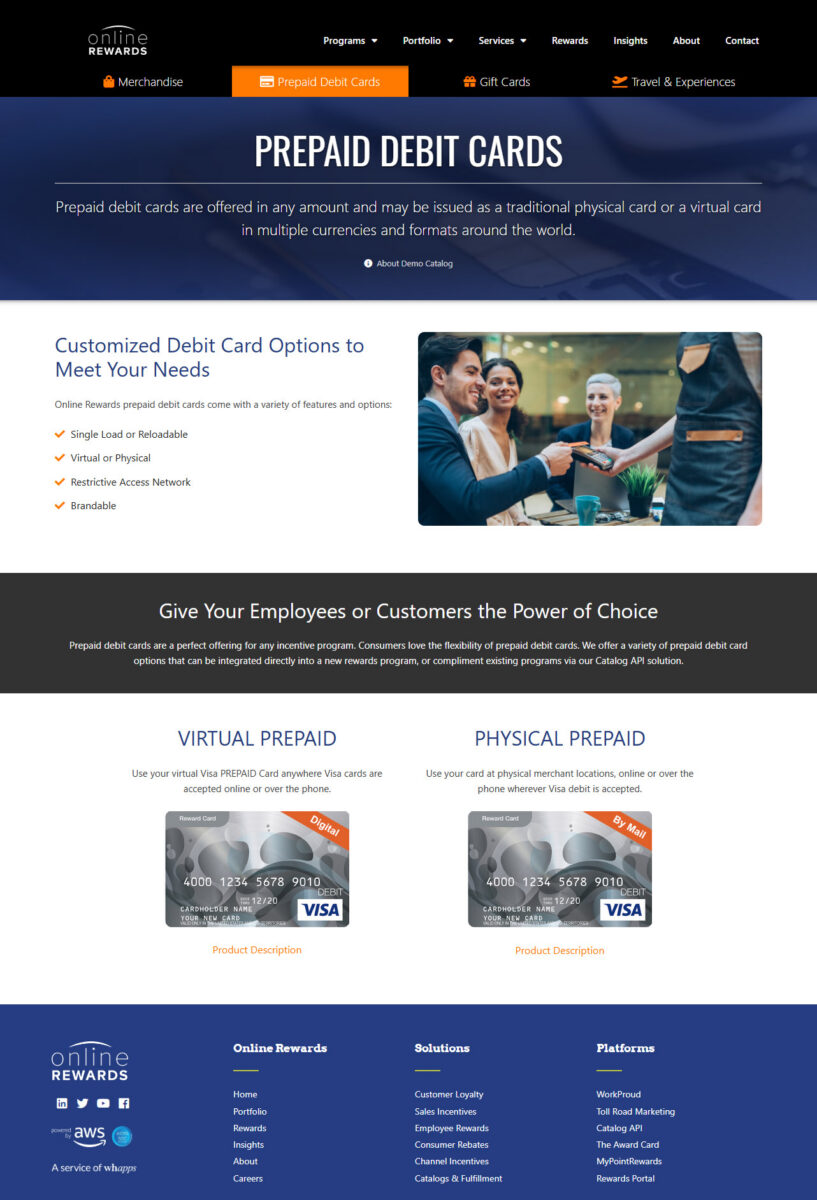
Modern incentive platforms, such as Online Rewards, help organizations support these strategies through centralized engagement infrastructure and global rewards delivery.

As loyalty strategies become more sophisticated, organizations need infrastructure that supports scalability, automation, and consistency across multiple audiences.
A modern enterprise loyalty ecosystem typically includes several core components.
The platform itself acts as the foundation for managing loyalty programs across audiences and regions.
This includes:
Centralized infrastructure reduces operational complexity and improves scalability.
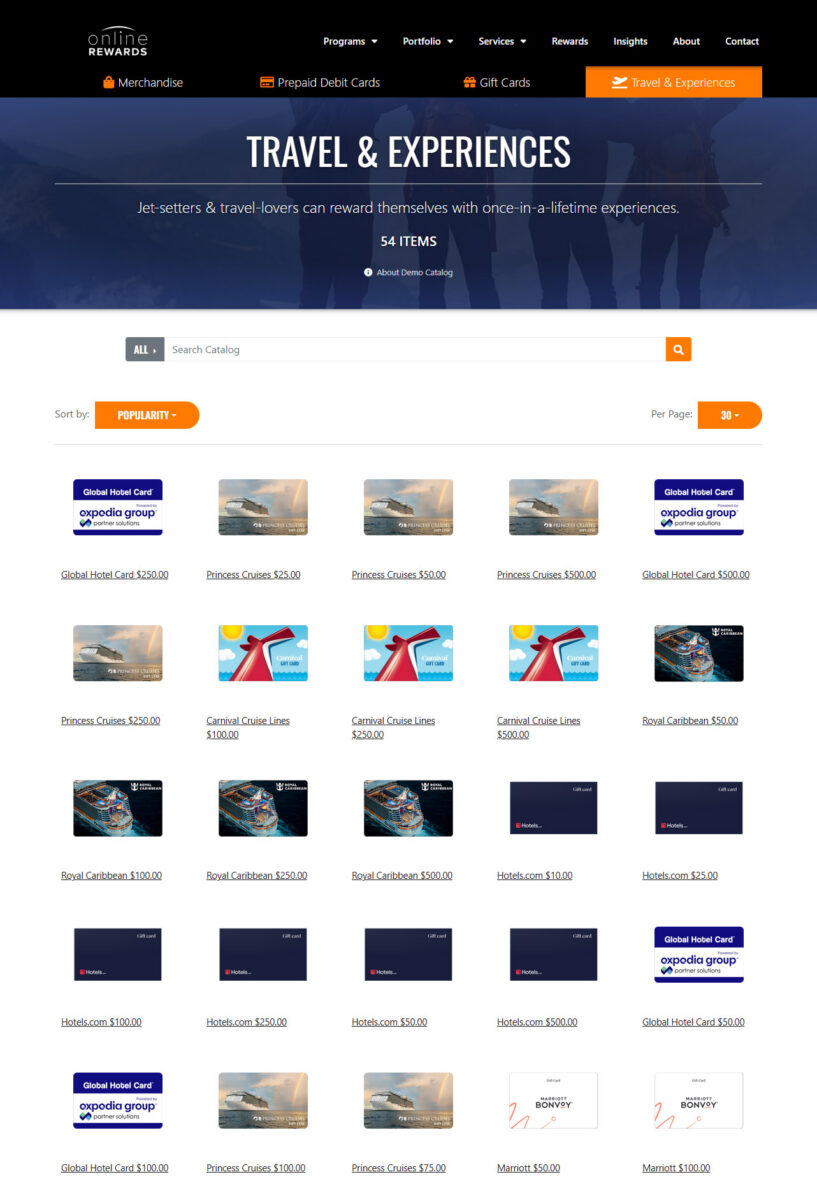
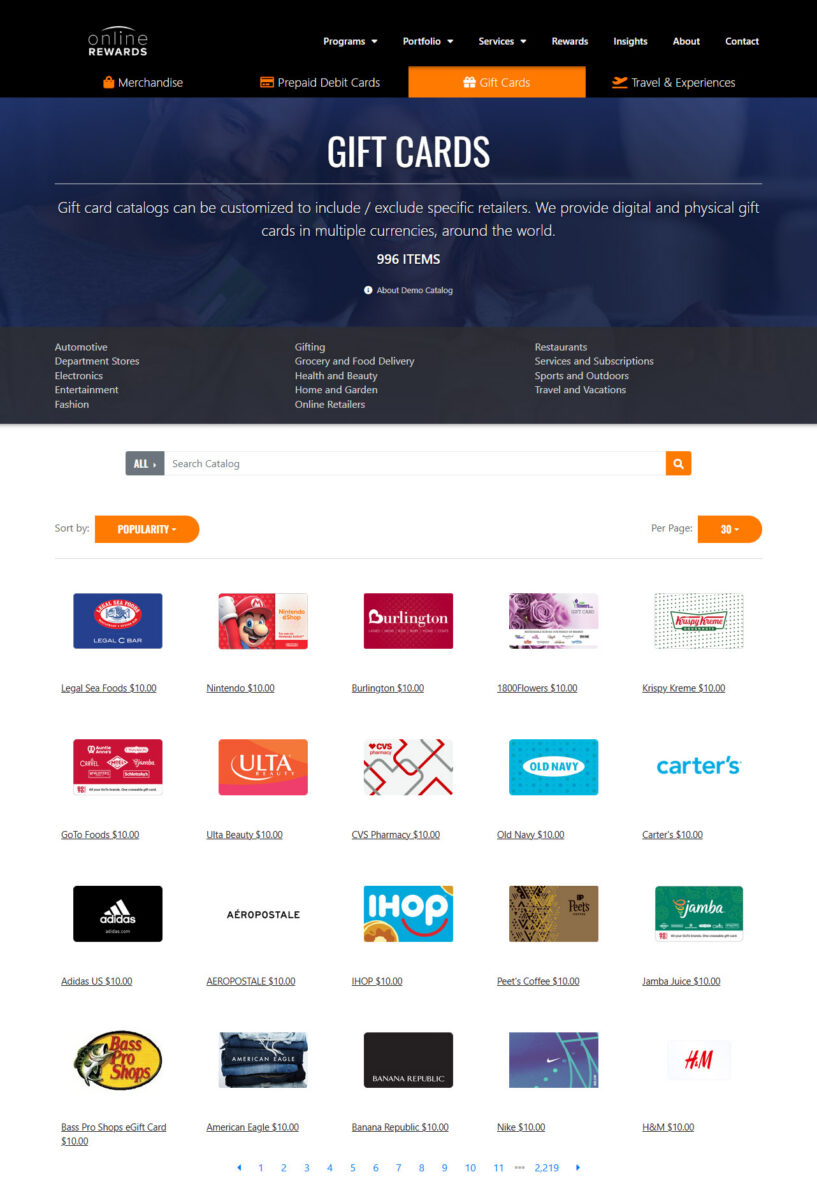
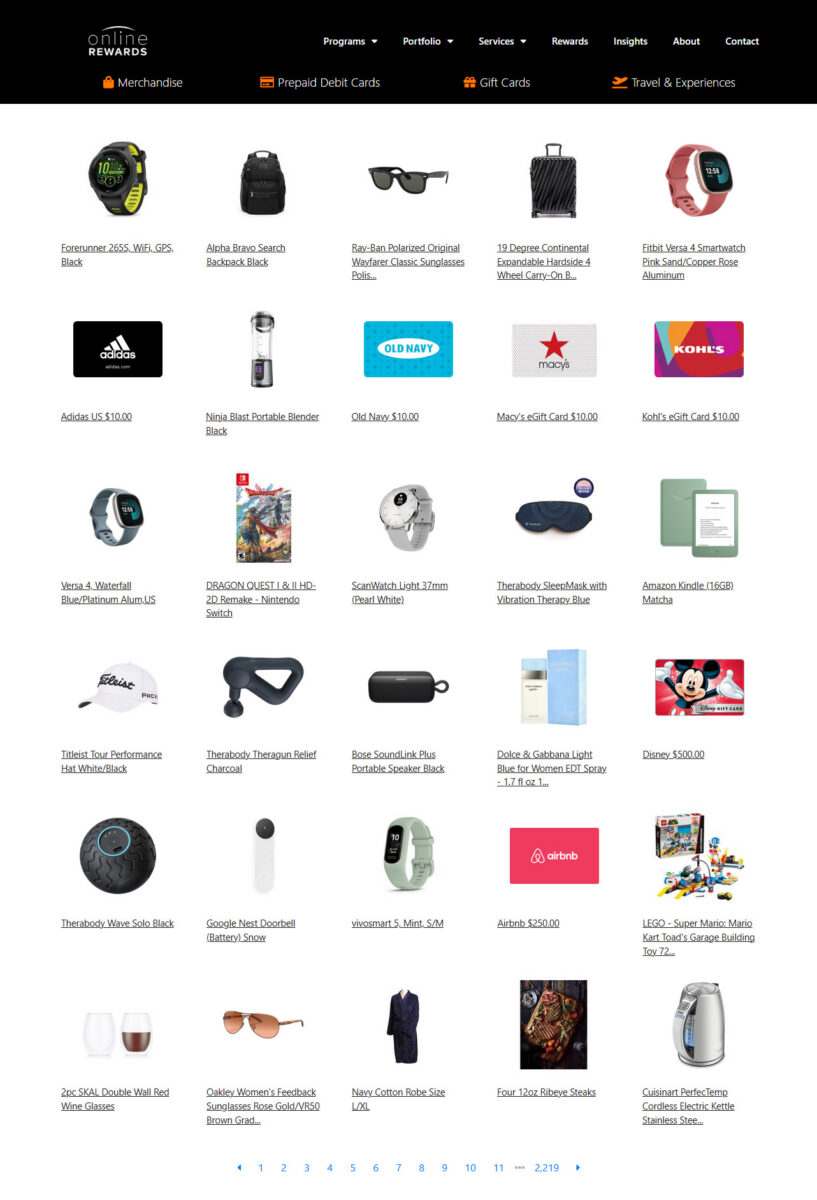
Enterprise loyalty programs often require access to rewards across multiple countries and regions.
A global rewards catalog allows organizations to:
Reward flexibility is especially important for global engagement strategies.
Modern loyalty systems increasingly rely on automation rather than manual administration.
Automation enables:
This improves both user experience and program efficiency.
Enterprise loyalty platforms must connect with existing systems and workflows.
This may include integration with:
APIs allow loyalty mechanics to become embedded directly into digital experiences rather than operating as standalone systems.
Measurement is critical to a long-term loyalty strategy.
A modern platform should provide visibility into:
Without centralized reporting, it becomes difficult to optimize loyalty programs at scale.

Enterprise loyalty programs now span multiple audiences, each with different motivations and engagement patterns.
Customer loyalty programs are designed to:
Modern customer loyalty strategies increasingly move beyond simple points programs toward personalized and behavior-driven engagement systems.
Employee loyalty focuses on:
Recognition and progression mechanics are often more effective than purely transactional rewards in employee engagement environments.
Partner loyalty programs help organizations:
These programs often combine incentives, recognition, and tiered engagement structures to reinforce ongoing participation.

Running loyalty programs at enterprise scale introduces operational complexity that many traditional loyalty systems are not designed to handle.
As organizations expand across regions, audiences, and channels, they encounter challenges around consistency, fulfillment, localization, and reporting.
One of the biggest issues is regional variation. Reward preferences differ significantly between countries and cultures. A reward that performs well in one market may have little relevance in another.
Without centralized infrastructure, businesses often rely on separate regional vendors and fragmented systems. Over time, this creates operational inefficiency and inconsistent user experiences.
Scalability becomes another major challenge. Many loyalty systems were originally designed for single-audience or single-region programs and struggle to support enterprise-level complexity.
Platforms such as Online Rewards are designed to support these enterprise requirements through unified global incentive management.
As loyalty strategies expand across customers, employees, and partners, many enterprises are moving away from fragmented systems and toward centralized engagement platforms.
One of the biggest drivers is operational efficiency. Managing multiple vendors, tools, and reward systems creates unnecessary complexity and administrative burden.
Centralization also improves visibility. Instead of managing engagement data across separate systems, businesses gain a unified view of participation, retention, and performance across all audiences.
This enables better strategic decision-making and makes it easier to measure the impact of loyalty investments over time.
Consistency is another important factor. Enterprise organizations want loyalty programs to feel connected across audiences and regions while still allowing flexibility for local customization.
This shift reflects a broader move toward loyalty infrastructure rather than isolated rewards programs.

Enterprise loyalty programs need clear performance measurement to ensure they are driving meaningful business outcomes.
Traditional loyalty metrics, such as points redemption or transaction frequency, only provide part of the picture. Modern loyalty strategies increasingly focus on broader engagement and behavioral outcomes.
The most important metrics depend on the audience and business objective.
This visibility enables continuous optimization and more strategic investment in loyalty initiatives.
Enterprise loyalty strategy is continuing to evolve rapidly.
Traditional points-based systems are being replaced by more dynamic, personalized, and behavior-driven engagement models.
One major trend is real-time incentives. Businesses increasingly want to reward behavior immediately rather than relying on delayed fulfillment cycles.
This creates more seamless and natural engagement experiences.
API-driven loyalty systems are playing an increasingly important role as organizations look for flexibility and scalability.
At the same time, loyalty is becoming more community-driven and experience-focused rather than purely transactional.
Recognition, status, exclusivity, and engagement are becoming just as important as financial rewards in many enterprise loyalty strategies.
What is an enterprise loyalty program?
An enterprise loyalty program is a scalable engagement system designed to encourage long-term participation and retention across customers, employees, partners, or multiple audiences.
How do enterprise loyalty programs work?
They use incentives, rewards, recognition, and engagement mechanics to reinforce behaviors that create long-term value for the organization.
Modern loyalty platforms can support customers, employees, channel partners, distributors, affiliates, and broader engagement communities.
Global loyalty programs scale through centralized platforms that support multiple countries, currencies, localized rewards, and automated fulfillment.
Rewards are the incentives being offered, while loyalty is the broader long-term engagement strategy designed to reinforce repeat participation and relationship-building.
Enterprise loyalty strategy is evolving beyond traditional customer rewards programs.
Modern organizations are building engagement ecosystems that span customers, employees, partners, and communities through centralized loyalty infrastructure.
The most effective programs are no longer focused purely on transactions. They are designed around behavior, participation, recognition, and long-term relationship-building.
As these strategies become more sophisticated, fragmented systems become increasingly difficult to manage. Enterprises need scalable platforms that support:
Platforms such as Online Rewards help organizations manage enterprise loyalty strategies through a unified engagement infrastructure that supports customers, employees, and partners from a single system.
For enterprises looking to strengthen retention, engagement, and long-term growth, loyalty is no longer just a marketing initiative. It is becoming a foundational part of modern business infrastructure.