
The terms “incentive platform” and “loyalty platform” are often used interchangeably, but they are not the same thing.
While both systems are designed to influence behavior through rewards and engagement, they are typically built for different audiences, use cases, and business objectives.
Traditional loyalty platforms are usually focused on customer retention and repeat purchases. Incentive platforms take a broader approach, supporting engagement across customers, employees, sales teams, partners, and channel ecosystems.
As enterprise organizations expand their engagement strategies beyond customer loyalty alone, many are moving toward more flexible incentive infrastructure that can support multiple audiences and behaviors within a single system.
Understanding the difference between these platforms is important for businesses evaluating how to scale engagement, rewards, and long-term participation across the organization.
A loyalty platform is software designed to encourage repeat engagement and long-term relationships with customers.
Retail, hospitality, travel, and e-commerce businesses commonly use loyalty platforms to increase customer lifetime value and repeat transactions.
Many loyalty systems are heavily customer-centric and designed primarily for B2C engagement.
An incentive platform is a broader engagement system designed to influence behavior across multiple audiences.
The primary goal of an incentive platform is behavioral reinforcement.
This makes them more flexible for enterprise organizations managing multiple engagement programs simultaneously.
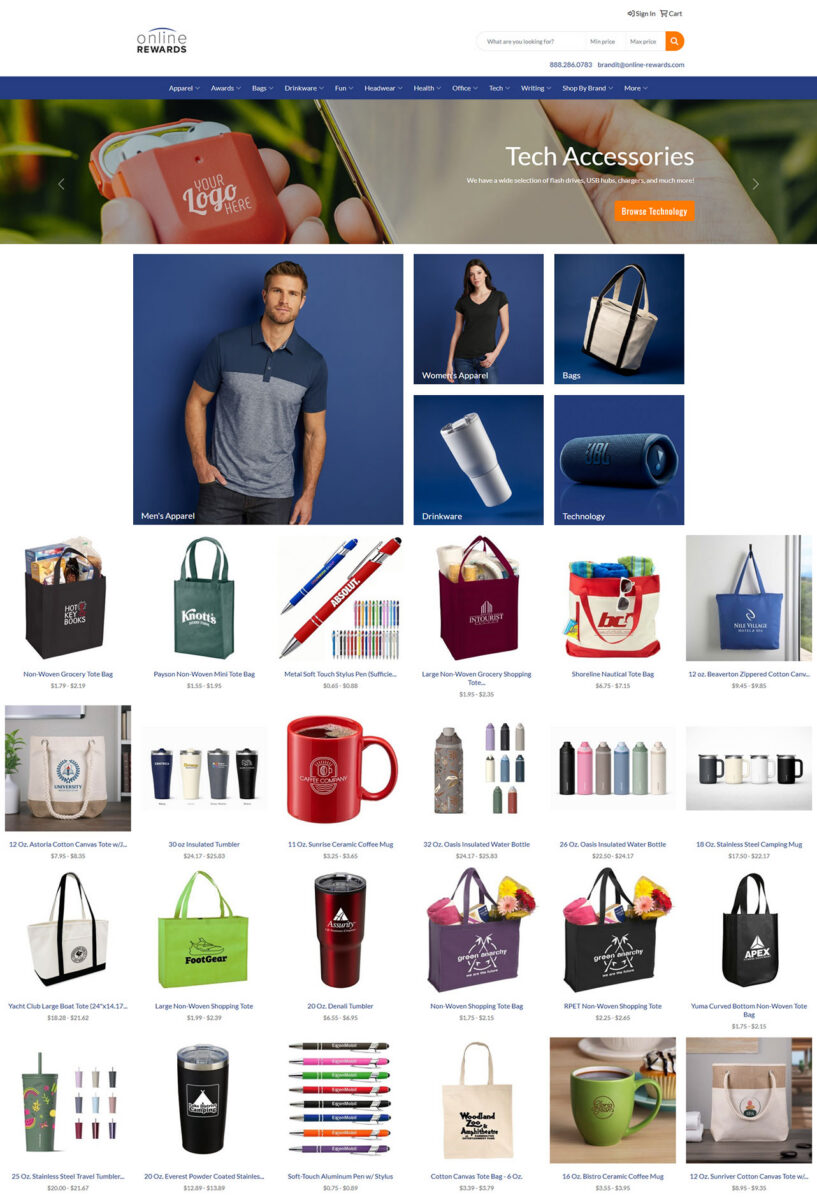
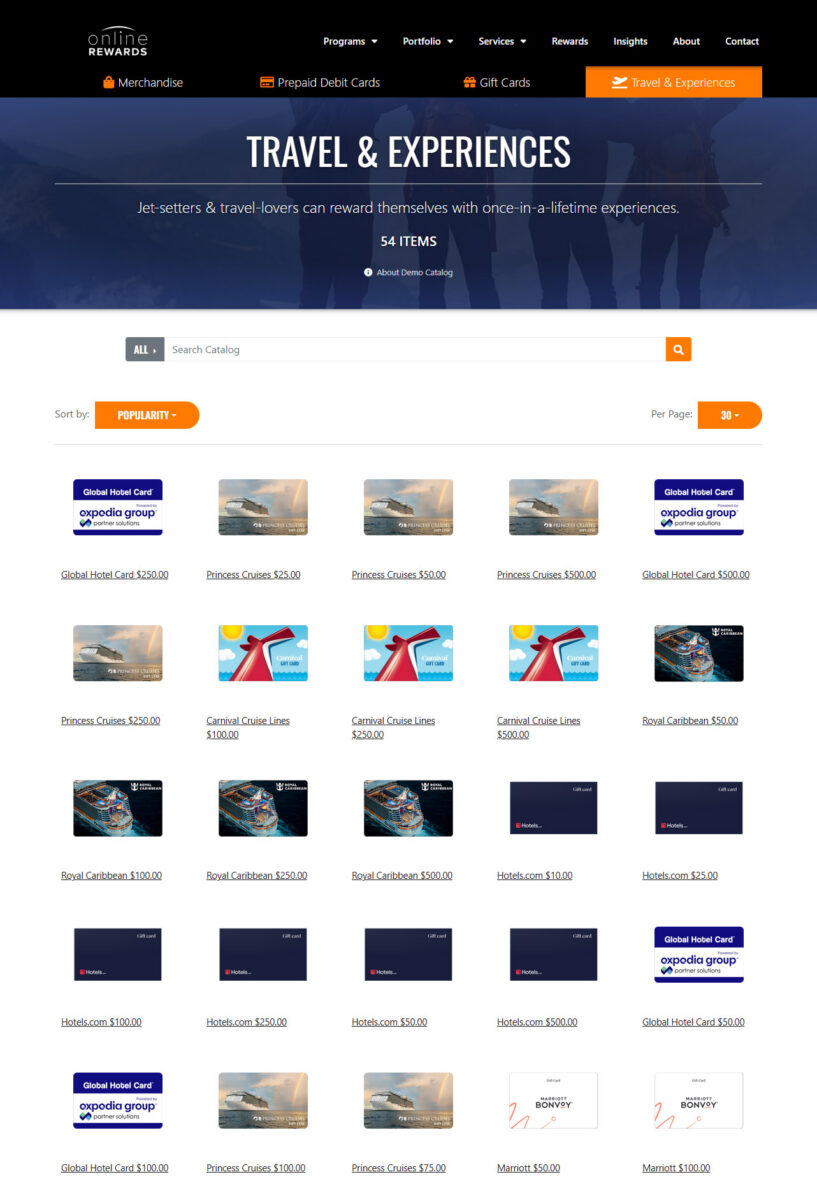
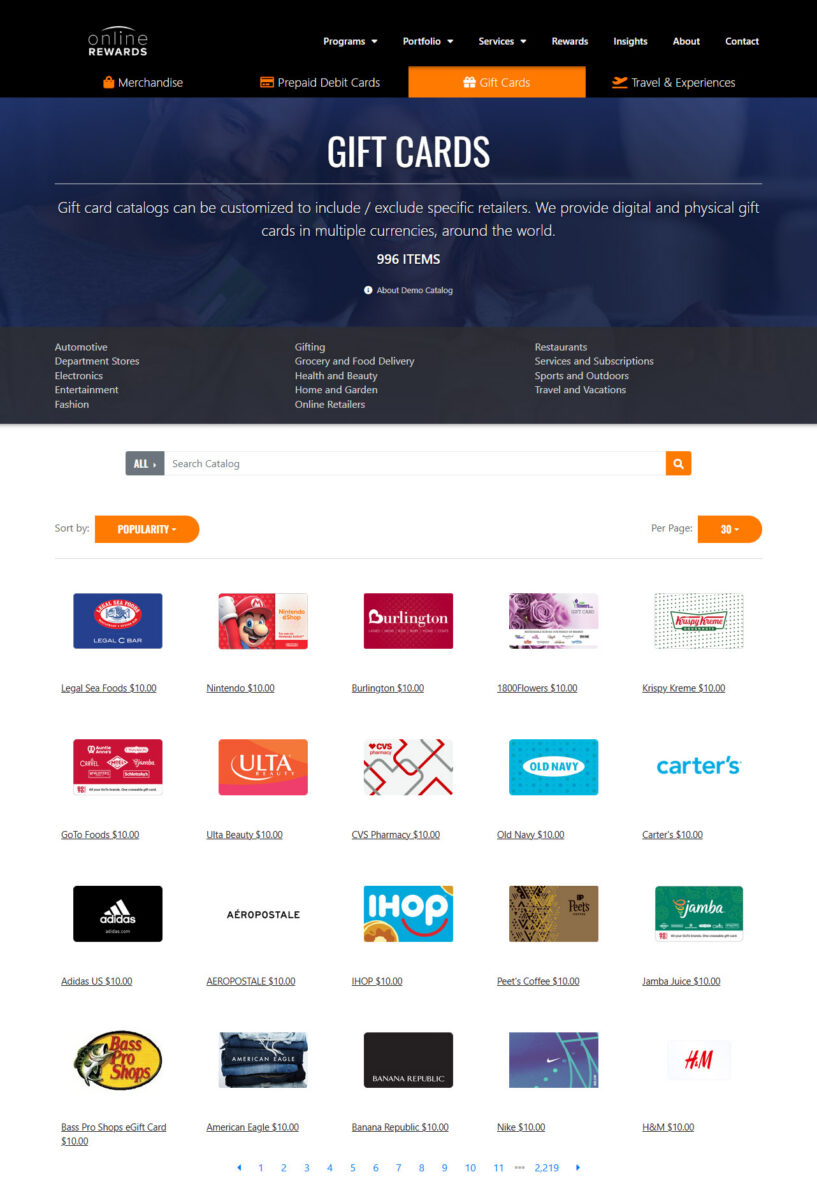
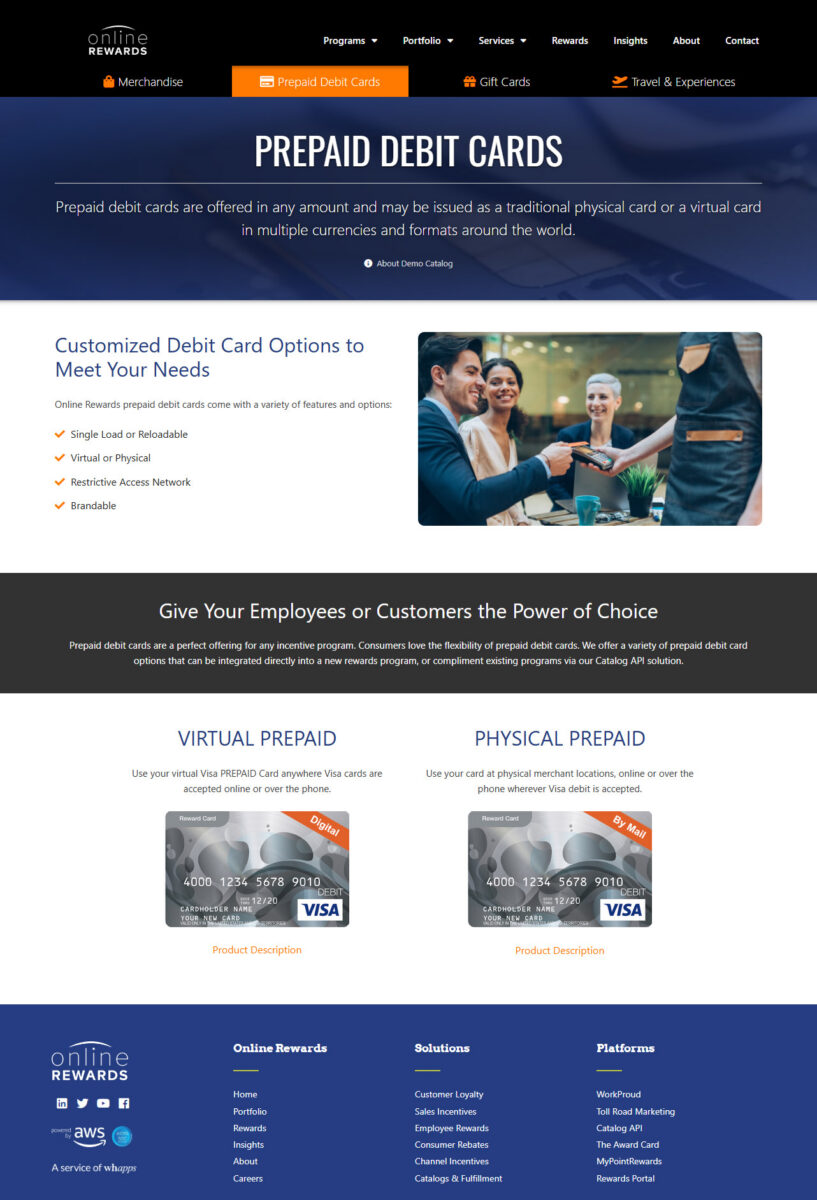
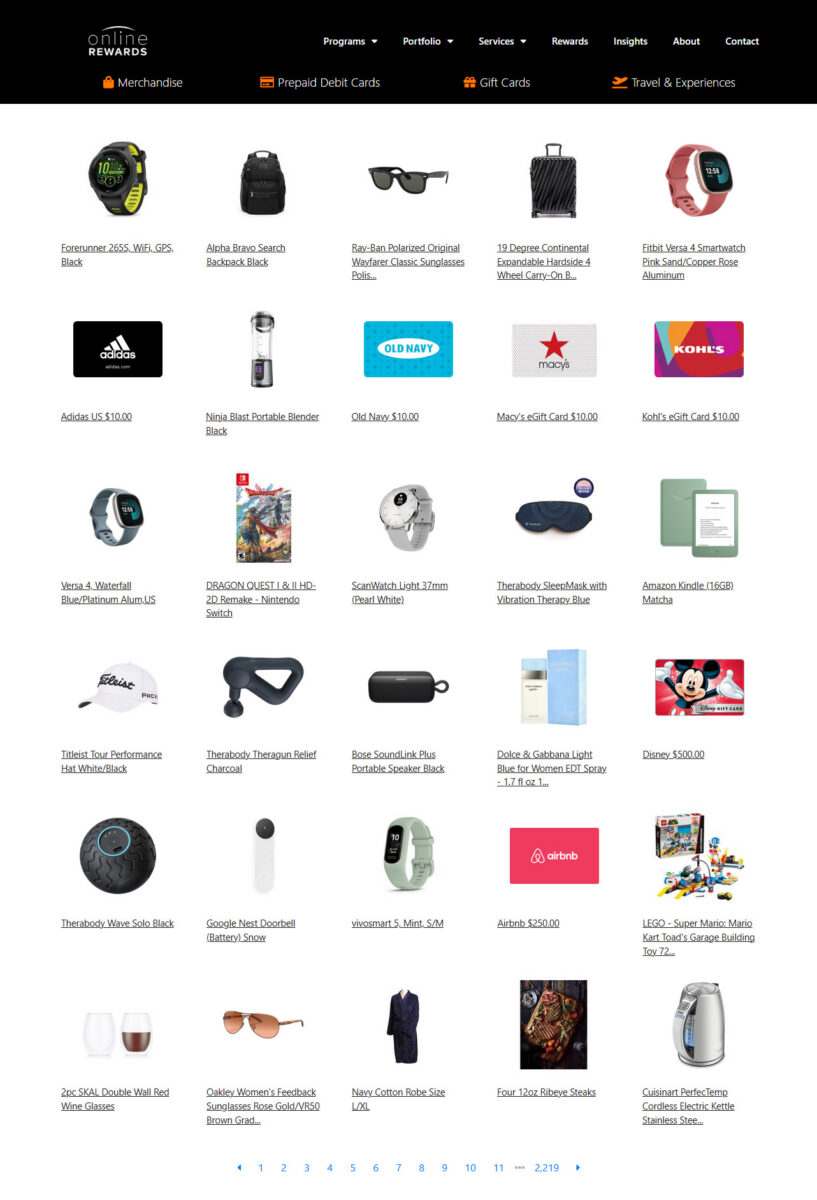
Platforms such as Online Rewards are designed around this broader infrastructure model rather than customer loyalty alone.

The biggest difference between loyalty platforms and incentive platforms is scope.
Loyalty platforms are generally designed around customer retention and repeat purchasing behavior.
Incentive platforms are designed to influence behavior across a wider engagement ecosystem.
This distinction becomes increasingly important at enterprise scale, where organizations need consistent engagement systems across multiple business functions.
Traditional loyalty systems are often built around transactional mechanics.
This model works well for many customer loyalty use cases, particularly in retail and e-commerce.
However, transactional loyalty models have limitations.
Modern engagement strategies increasingly require businesses to reward a broader range of actions beyond transactions alone.
Incentive platforms are designed around behavior rather than transactions alone.
This flexibility makes incentive platforms particularly valuable for enterprise organizations managing multiple engagement goals simultaneously.
Behavior-driven engagement also creates stronger long-term participation because incentives can reinforce habits and strategic objectives rather than simply rewarding spending.
These use cases extend far beyond traditional customer loyalty.

Another major difference is audience scope.
Most loyalty platforms are designed primarily for customers.
Incentive platforms support multiple audiences from one centralized infrastructure.
This multi-audience capability allows businesses to centralize engagement strategies across the organization rather than managing separate systems for each audience.
Incentive platforms are generally more configurable than traditional loyalty systems.
This flexibility allows organizations to create highly customized engagement systems based on specific business objectives.
Traditional loyalty platforms are often more narrowly focused on customer transaction mechanics.
As businesses expand globally, rewards infrastructure becomes increasingly important.
Many traditional loyalty systems struggle with these requirements because they were originally designed for regional or customer-only programs.
Platforms such as Online Rewards are designed to support these global enterprise engagement requirements across multiple audiences and regions.
Automation and Integration Differences
Modern engagement strategies require incentives to connect directly to operational systems and workflows.
Incentive platforms are typically built with stronger integration and automation capabilities.
Traditional loyalty platforms often focus primarily on customer transaction tracking rather than broader enterprise workflow integration.

The right solution depends on the scope of your engagement strategy.
However, businesses managing broader engagement ecosystems often require more flexibility and scalability.
Many enterprise organizations are increasingly moving toward incentive infrastructure because it provides greater long-term flexibility across departments and audiences.
A loyalty platform typically focuses on customer retention and repeat purchases, while an incentive platform supports broader behavior-driven engagement across customers, employees, partners, and sales teams.
No. Loyalty programs are usually customer-focused, while incentive programs can support multiple audiences and business objectives.
Yes. Modern incentive platforms can support customer loyalty alongside employee, partner, and sales engagement programs within one system.
Enterprises increasingly need scalable systems that support multiple audiences, global rewards, automation, and centralized reporting.
Enterprise organizations across SaaS, retail, HR, channel sales, ecommerce, and B2B industries use incentive platforms to drive engagement and performance.