
Rewards have become a core part of how businesses drive engagement, influence behavior, and build long-term relationships with employees, customers, and partners. As expectations increase and competition grows, simply offering incentives is no longer enough. Businesses need structured, scalable ways to deliver rewards that are relevant, timely, and aligned with their goals.
A rewards platform provides the technology and infrastructure to make this possible. Instead of managing rewards through manual processes or disconnected tools, organizations can use a centralized system to design programs, deliver incentives, and track performance across different audiences.
From employee recognition and customer loyalty to partner incentives and promotions, rewards platforms enable businesses to run more consistent and effective engagement strategies. Understanding how these platforms work, what features they offer, and how they are used is essential for building programs that deliver measurable results.
A rewards platform is software that enables businesses to manage, deliver, and optimize incentive-based programs through a centralized system. It provides the tools needed to offer rewards in a structured and scalable way, allowing organizations to influence behavior across employees, customers, and partners.
At its simplest level, a rewards platform connects actions to incentives. When a user completes a specific behavior such as making a purchase, achieving a target, or engaging with a service, the platform applies predefined rules and delivers a reward. This creates a clear link between activity and outcome, which helps drive consistent engagement.
Unlike basic reward tools or one-off incentive solutions, a rewards platform is designed to support ongoing programs across multiple use cases. It allows businesses to manage different types of incentives within the same system, ensuring consistency while still adapting to the needs of each audience.
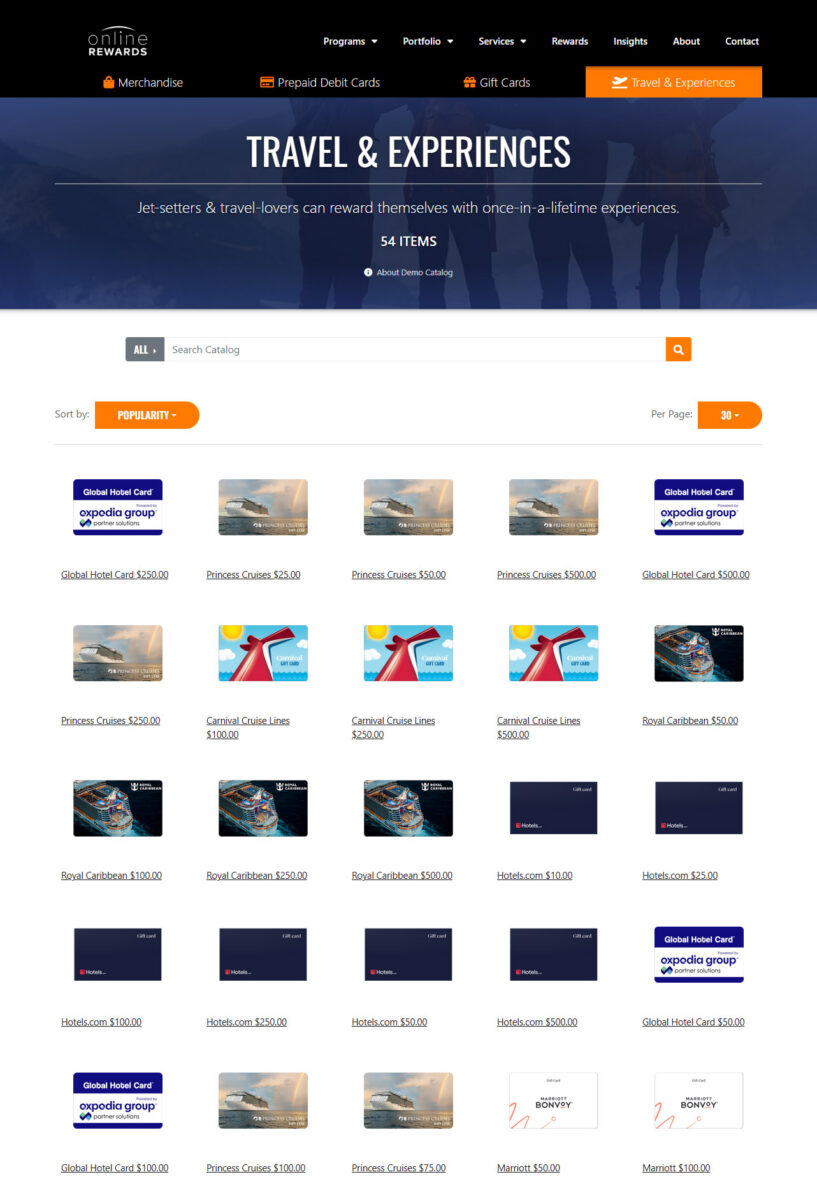
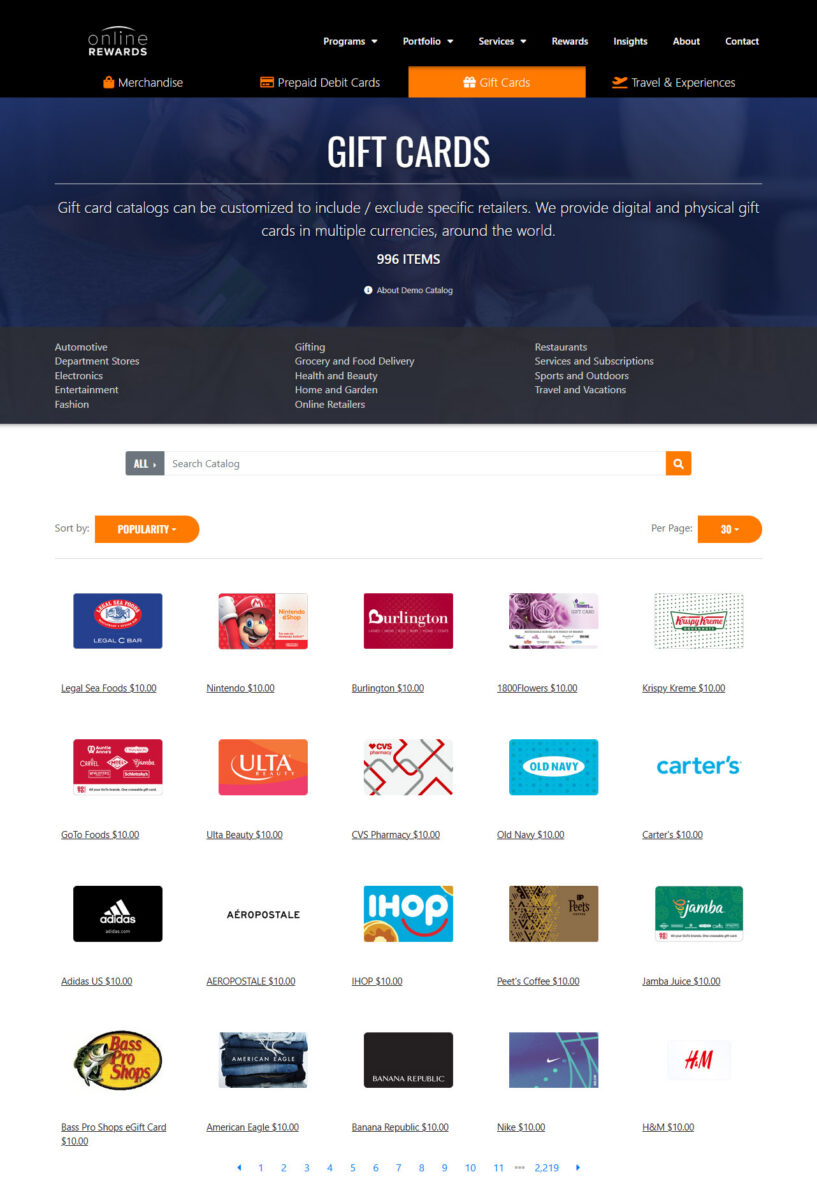
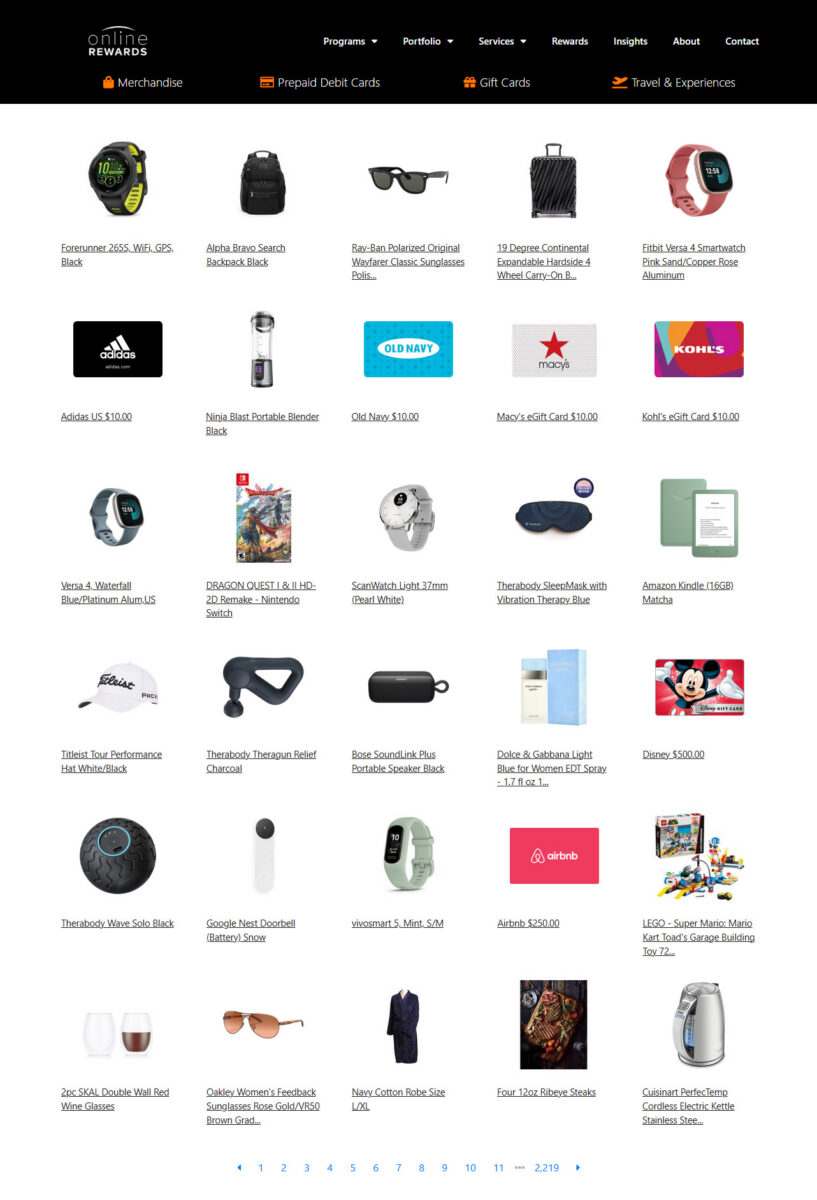
A key component of most rewards platforms is access to a rewards catalog. This typically includes a range of options such as digital gift cards, prepaid cards, merchandise, and experiences. In more advanced platforms, this catalog is global, enabling businesses to deliver relevant rewards across different countries and regions.
Rewards platforms also provide automation, which is essential for scaling programs. Once rules are defined, the platform can track activity, trigger rewards, and manage fulfillment without manual intervention. This reduces administrative workload and ensures that rewards are delivered accurately and on time.
In addition, many platforms include integration capabilities that allow rewards to be connected to existing systems such as CRM platforms, HRIS, or customer applications. This means incentives can be triggered based on real-time data rather than being managed separately.
In practical terms, a rewards platform is the system that powers how businesses use incentives to drive engagement in a consistent, efficient, and measurable way.
Rewards platforms have become a central part of how businesses drive engagement because they provide a direct and measurable way to influence behavior. In an environment where attention is limited and expectations are high, simply communicating with employees, customers, or partners is often not enough to drive consistent action.
Rewards create a clear exchange of value. When users understand that specific actions lead to tangible outcomes, they are more likely to participate, engage, and repeat those behaviors over time. A rewards platform enables this process to happen in a structured and scalable way, rather than relying on ad hoc or manual approaches.
One of the main reasons rewards platforms are so effective is their ability to support multiple engagement strategies at once. Businesses can run programs that target different audiences, each with distinct goals and behaviors, while managing everything within a single system. This allows for a more coordinated and consistent approach to engagement across the organization.
Another important factor is the shift toward data-driven decision-making. Rewards platforms provide real-time insights into how users interact with programs, which actions are being taken, and how incentives are influencing outcomes. This makes it possible to refine strategies based on actual performance rather than assumptions.
Speed and timing also play a critical role in engagement. Rewards are most effective when they are delivered close to the behavior they are designed to encourage. A platform enables real-time or near-real-time reward delivery, which strengthens the connection between action and incentive.
In addition, rewards platforms support personalization. Different users are motivated by different types of incentives, and a one-size-fits-all approach is rarely effective. By offering a range of reward options and tailoring programs based on behavior or preferences, businesses can increase relevance and improve engagement.
Finally, rewards platforms help ensure consistency across programs. Without a centralized system, different teams may run their own initiatives with varying rules, messaging, and reward types. This can lead to confusion and reduced effectiveness. A platform provides a unified structure while still allowing flexibility where needed.
Overall, rewards platforms enable businesses to move from fragmented and reactive engagement efforts to structured, data-driven strategies that deliver more consistent and measurable results.

Rewards platforms work by connecting user behavior to incentives through a combination of rules, automation, and delivery systems. This allows businesses to influence actions in a consistent and measurable way without relying on manual processes.
The process begins with defining the objective of a program. This could be increasing customer retention, improving employee engagement, driving sales performance, or encouraging partner activity. Once the goal is clear, businesses identify the specific actions they want to incentivize.
These actions are then linked to rules within the platform. The rules determine when a reward is earned, what type of reward is offered, and how it is delivered. For example, a customer might earn points for making a purchase, while an employee might receive a reward for achieving a performance target.
The platform tracks user activity through a combination of integrations and internal data. This can include connections to CRM systems, HR platforms, marketing tools, or direct tracking within digital products. As users complete the defined actions, the platform automatically applies the rules and triggers rewards.
Reward delivery is managed through the platform’s fulfillment system. This can include digital rewards such as gift cards or prepaid cards, as well as physical rewards like merchandise or experiences. In many cases, users can choose their own rewards from a catalog, which increases satisfaction and engagement.
Throughout this process, the platform collects data on participation, engagement, and redemptions. Businesses can monitor how users interact with programs, identify which incentives are most effective, and make adjustments to improve performance.
Automation is a key advantage of rewards platforms. Once a program is set up, the system handles tracking, reward allocation, and delivery without ongoing manual input. This ensures consistency and allows businesses to scale programs across larger audiences and multiple regions.
In essence, rewards platforms provide a structured and automated way to connect behavior with incentives, making it easier for businesses to drive engagement and achieve their objectives.
A rewards platform is built around a set of core features that allow businesses to design, deliver, and optimize incentive programs at scale. These features go beyond simply distributing rewards and provide the infrastructure needed to support consistent, high-performing engagement strategies.
Program management is one of the most important capabilities. This allows businesses to create structured programs with defined goals, rules, and timelines. Multiple programs can be managed within the same platform, each tailored to different audiences or objectives, while maintaining centralized control.
A key feature is access to a rewards catalog. This provides a range of incentive options that users can redeem, including digital gift cards, prepaid cards, merchandise, and experiences. More advanced platforms offer global catalogs, ensuring that rewards are relevant and available across different countries and regions.
Automation is central to how rewards platforms operate. Once program rules are configured, the platform can track activity, apply conditions, and trigger rewards automatically. This reduces the need for manual processes and ensures that incentives are delivered accurately and on time.
Fulfillment capabilities are another critical component. The platform manages the sourcing, delivery, and distribution of rewards, whether they are digital or physical. This includes handling logistics, supplier relationships, and user redemption, which simplifies operations for the business.
Reporting and analytics provide visibility into program performance. Businesses can track participation, engagement, reward redemption, and overall outcomes. These insights are essential for understanding what is working and for making data-driven improvements.
Integration is also a core feature, particularly for larger organizations. Rewards platforms often connect with CRM tools, HRIS, marketing platforms, and other internal systems. This allows rewards to be triggered based on real-time data and ensures that programs are aligned with broader business processes.
User experience plays a significant role in program success. Platforms typically include interfaces where users can view progress, track rewards, and redeem incentives. A clear and intuitive experience helps increase participation and overall engagement.
Finally, scalability and flexibility are essential. A strong rewards platform must support multiple programs, audiences, and regions while remaining easy to manage. It should also allow businesses to adapt programs over time as goals and strategies evolve.
Together, these features enable businesses to run structured, scalable, and effective rewards programs that drive meaningful results.

One of the most important aspects of any rewards platform is the variety and relevance of the incentives it can provide. The effectiveness of a program is closely tied to how appealing the rewards are to the audience. Different users are motivated by different types of incentives, so having a broad and flexible range of options is essential.
Most rewards platforms offer a mix of digital and physical incentives. Digital rewards are among the most commonly used because they are easy to deliver, scalable, and accessible across regions. These typically include gift cards for major brands, prepaid cards, and digital vouchers that can be redeemed online or in-store.
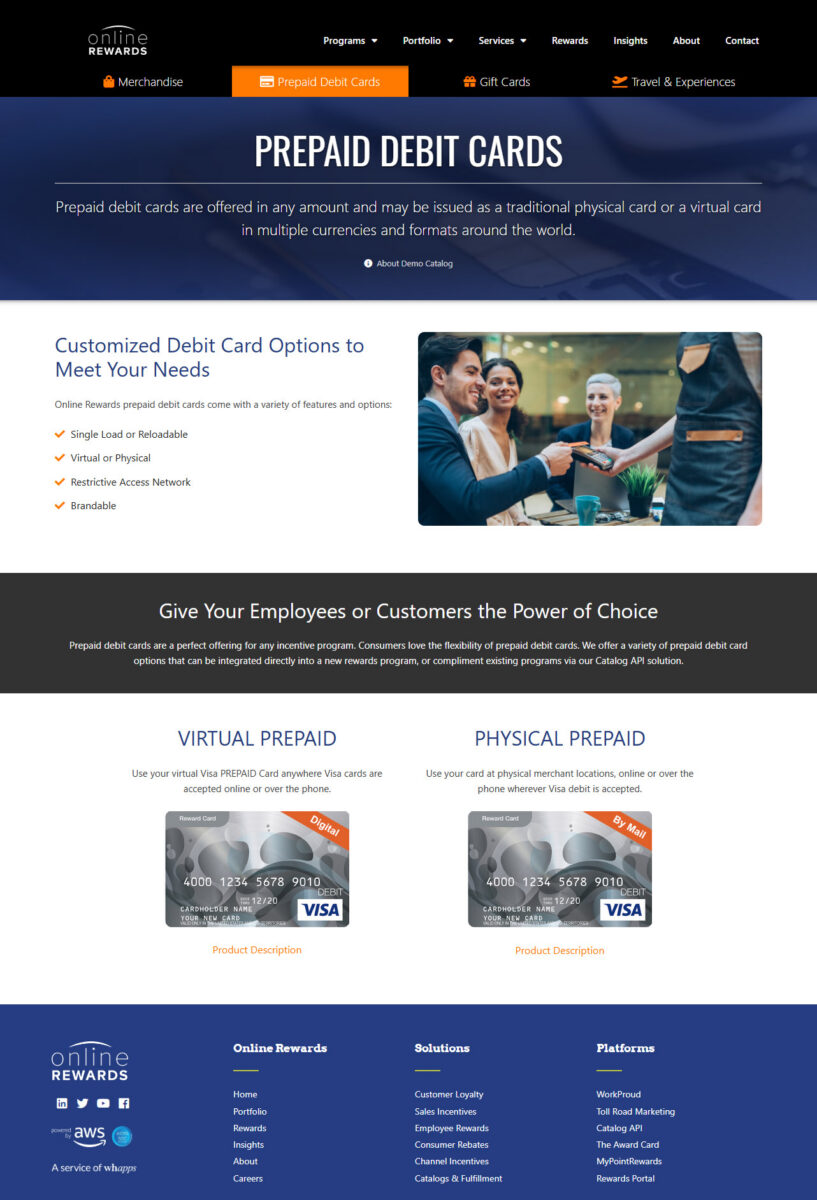
Prepaid cards are another popular option, particularly in programs where flexibility is important. They allow recipients to choose how they spend the reward, which can increase satisfaction and perceived value.
Merchandise rewards provide a different type of appeal. These can include electronics, lifestyle products, or branded goods. Physical rewards are often used for higher-value incentives or milestone achievements where a tangible item creates a stronger impact.
Experiential rewards are also increasingly used, especially in programs designed to create memorable moments. These can include travel, events, or unique experiences that go beyond standard incentives and help strengthen emotional engagement.
In addition to these categories, many platforms allow for custom or branded rewards. This might include company-specific items, curated reward bundles, or incentives aligned with a particular campaign or audience.
Global availability is a critical factor when selecting rewards. A strong platform ensures that rewards are relevant and accessible in different regions, taking into account local preferences, availability, and delivery methods. This is particularly important for businesses operating internationally.
Choice is another key element. Many platforms allow users to select their own rewards from a catalog rather than assigning a fixed incentive. This increases engagement because users can choose options that are meaningful to them.
By offering a wide range of rewards and ensuring they are relevant to different audiences, businesses can create more effective incentive programs that drive higher participation and stronger results.
Rewards platforms improve engagement and performance by creating a clear and immediate link between behavior and outcome. When users know that specific actions will lead to meaningful rewards, they are more likely to participate, stay engaged, and repeat those behaviors over time.
One of the main ways platforms drive engagement is through consistency. Incentives are applied in a structured and predictable way, which helps users understand how they can earn rewards. This clarity removes uncertainty and encourages ongoing participation.
Timing is also a critical factor. Rewards are most effective when they are delivered close to the action they are designed to encourage. A rewards platform enables near real-time recognition, which strengthens the connection between behavior and reward and increases the impact of the incentive.
Another important element is visibility. Users can typically track their progress within a program, see what they have earned, and understand what they need to do next. This creates a sense of progression and keeps participants engaged over time.
Personalization plays a key role as well. Different users are motivated by different types of rewards and experiences. By offering a range of options and tailoring programs based on behavior or preferences, platforms can increase relevance and improve overall engagement levels.
Rewards platforms also support goal alignment. By linking incentives to specific outcomes such as sales targets, customer actions, or partner activity, businesses can focus attention on the behaviors that matter most. This helps ensure that engagement translates into measurable performance improvements.
In addition, platforms make it easier to run multiple programs simultaneously. Businesses can target different audiences with tailored incentives while maintaining a consistent structure. This allows for more focused engagement strategies across teams, customer segments, and partner networks.
Finally, the data generated by rewards platforms allows businesses to continuously improve performance. By analyzing participation, engagement, and outcomes, organizations can refine their programs, adjust incentives, and optimize strategies over time.
Overall, rewards platforms provide a structured, scalable, and data-driven way to influence behavior, leading to stronger engagement and better performance across the business.

Rewards platforms are used across a wide range of business functions, each focused on influencing specific behaviors and outcomes. While the underlying technology remains consistent, the way rewards are applied can vary depending on the audience and objective.
One of the most common use cases is driving sales performance. Businesses use rewards to motivate teams to hit targets, close deals, or prioritize specific products or services. By linking incentives directly to performance, organizations can create clear goals and encourage consistent results.
Another key use case is improving customer engagement and retention. Rewards platforms allow businesses to build structured loyalty programs, run promotions, and encourage repeat behavior. This can include rewarding purchases, referrals, or ongoing interaction with a product or service.
Employee engagement is also a major focus. Companies use rewards platforms to recognize achievements, reinforce company values, and improve workplace culture. This can range from peer-to-peer recognition programs to performance-based incentives and milestone rewards.
Channel and partner engagement is another important area. Businesses that rely on distributors, resellers, or partners use rewards to encourage activity, increase sales, and strengthen relationships. These programs often involve more complex structures, as they need to align incentives across multiple organizations.
In addition to these core use cases, rewards platforms are also used for more targeted initiatives. This might include encouraging adoption of new tools or processes, driving participation in training programs, or supporting specific campaigns and promotions.
Platforms like Online Rewards are designed to support all of these use cases within a single system. Rather than managing separate tools for different audiences, businesses can run employee, customer, and partner programs from one platform while maintaining consistency and control.
By supporting multiple use cases, rewards platforms enable businesses to apply incentives wherever they can have the greatest impact. This flexibility is essential for organizations looking to drive engagement and performance across different parts of the business.
Employee rewards and recognition programs are one of the most widely used applications of a rewards platform. These programs are designed to improve engagement, motivate performance, and reinforce positive behaviors within an organization.
Recognition plays a critical role in employee satisfaction. When achievements and contributions are acknowledged in a timely and meaningful way, employees are more likely to feel valued and stay engaged. Rewards platforms make it possible to deliver this recognition consistently, rather than relying on informal or inconsistent approaches.
Performance-based incentives are a core part of many employee programs. These are typically tied to measurable outcomes such as sales targets, project completion, or productivity goals. By linking rewards directly to performance, businesses can create clear expectations and encourage employees to focus on the activities that drive results.
Peer-to-peer recognition is another important feature. This allows employees to recognize each other’s contributions, helping to build a stronger and more collaborative culture. When recognition is not limited to management, it becomes more frequent and more meaningful across the organization.
Rewards platforms also support milestone-based recognition. This can include celebrating work anniversaries, personal achievements, or significant contributions to the business. These moments help strengthen employee loyalty and create a more positive workplace experience.
In addition, platforms can be used to encourage participation in training and development programs. By rewarding employees for completing courses, gaining certifications, or adopting new tools, businesses can promote continuous learning and ensure teams remain aligned with organizational goals.
A platform such as Online Rewards enables organizations to manage all of these initiatives within a single system. It provides access to a wide range of rewards, automates delivery, and ensures consistency across teams and locations.
By using a structured approach to employee rewards and recognition, businesses can improve engagement, increase performance, and build a more motivated and aligned workforce.
Customer loyalty and promo programs are a core use case for rewards platforms, helping businesses build stronger relationships and increase long-term value. By rewarding specific behaviors, companies can encourage customers to return, interact more frequently, and remain loyal over time.
One of the most common approaches is a loyalty program. These programs reward customers for ongoing activity, such as purchases or engagement, often through a points-based system. As customers accumulate rewards, they are more likely to continue interacting with the brand, which increases retention and lifetime value.
Promotional incentives are also widely used to drive short-term results. Businesses can offer rewards for specific actions such as signing up, making a purchase, or participating in a campaign. These incentives help create urgency and can significantly increase conversion rates during key periods.
Referral programs are another effective strategy. By rewarding customers for introducing new users, businesses can expand their audience while leveraging existing relationships. This approach often leads to higher-quality acquisition, as referrals tend to come with built-in trust.
Rewards platforms also enable more personalized engagement. Businesses can tailor incentives based on customer behavior, preferences, or value. For example, high-value customers might receive different rewards compared to new users, creating a more relevant and targeted experience.
A platform such as Online Rewards allows businesses to manage these programs in a structured and scalable way. It provides access to a wide range of rewards, automates delivery, and ensures consistency across different customer segments and regions.
By using rewards platforms to support customer loyalty and engagement, businesses can increase retention, improve customer satisfaction, and drive more consistent revenue over time.
Channel and partner incentive programs are designed to motivate external stakeholders such as distributors, resellers, and strategic partners to drive sales and engagement. Unlike employee or customer programs, these initiatives focus on influencing organizations outside of your direct control, which makes structure and consistency especially important.
These programs are typically used to encourage partners to prioritize your products or services, increase sales activity, and strengthen long-term relationships. When incentives are aligned with partner goals, they create a clear reason for partners to invest time and resources into promoting your offering.
Sales performance incentives are one of the most common approaches. Partners are rewarded for achieving specific targets, such as revenue thresholds, deal volume, or product-specific goals. This helps direct focus and encourages partners to actively drive growth.
Engagement-based incentives are also important. These programs reward activities that support long-term success, such as completing training, attending events, or participating in marketing campaigns. By encouraging these behaviors, businesses can improve partner knowledge and effectiveness.
Deal registration and growth programs provide another layer of incentive. These reward partners for bringing in new opportunities or expanding existing accounts. This not only drives pipeline growth but also strengthens collaboration between businesses and their partners.
Managing channel incentives can become complex, particularly when working across multiple regions or with large partner networks. Without a structured system, it can be difficult to track performance, ensure fairness, and deliver rewards consistently.
A platform such as Online Rewards simplifies this by providing a centralized system for managing partner programs. It allows businesses to define clear rules, monitor activity, and automate reward delivery, ensuring consistency and transparency across the network.
By using a structured approach to channel and partner incentives, businesses can increase engagement, drive stronger sales performance, and build more productive relationships within their partner ecosystem.

Not all rewards platforms are built to support the same level of complexity. While basic solutions may be suitable for simple programs, enterprise rewards platforms are designed to handle larger scale, multiple audiences, and more advanced requirements across an organization.
One of the key differences is the ability to support multiple use cases within a single system. Enterprise platforms are built to manage employee, customer, and partner programs simultaneously, each with different rules, reward structures, and objectives. This removes the need for separate tools and ensures consistency across the business.
Scalability is another major factor. Enterprise platforms must be able to support large numbers of users, high volumes of transactions, and multiple concurrent programs without performance issues. This includes the ability to operate across different regions and time zones while maintaining reliability.
Global capability is also critical. Enterprise rewards platforms provide access to extensive reward catalogs that are available across multiple countries, along with the infrastructure needed to manage fulfillment internationally. This ensures that rewards remain relevant and accessible regardless of where users are located.
Integration is another important differentiator. Enterprise platforms are designed to connect with existing systems such as CRM platforms, HR tools, and marketing software. This allows rewards to be triggered automatically based on real-time data and user activity, rather than relying on manual processes.
Flexibility is essential for larger organizations. Enterprise platforms allow businesses to customize programs, define complex rules, and adapt incentives to different audiences or regions. This ensures that programs can evolve as business needs change.
Security and compliance are also key considerations. Enterprise platforms must meet higher standards for data protection and regulatory requirements, particularly when operating across multiple markets.
A platform such as Online Rewards is designed with these requirements in mind, enabling businesses to run complex, global incentive programs within a single, scalable system.
Overall, an enterprise rewards platform is not just about delivering incentives. It provides the infrastructure needed to manage, optimize, and scale engagement strategies across the entire organization.
For businesses operating across multiple regions, delivering rewards consistently can be one of the most complex aspects of running incentive programs. Differences in currency, local preferences, supplier availability, and logistics all add layers of difficulty that basic solutions are not designed to handle.
A strong rewards platform addresses this by providing global rewards and fulfillment capabilities within a single system. This allows businesses to deliver incentives across multiple countries without needing to manage separate vendors or processes in each market.
One of the key components is access to a global rewards catalog. This ensures that users in different regions have access to incentives that are relevant and appealing to them, whether that includes local gift cards, prepaid options, or experiences tailored to their market. Providing locally relevant rewards is essential for maintaining engagement across diverse audiences.
Currency handling is another important feature. Rewards platforms manage multiple currencies, allowing incentives to be delivered in a way that aligns with local expectations. This removes the need for manual conversions and reduces the risk of inconsistencies.
Fulfillment is handled through the platform’s infrastructure, which includes supplier networks, logistics management, and delivery systems. This applies to both digital rewards, which can be delivered instantly, and physical rewards, which require coordination across shipping and inventory.
Consistency is critical in global programs. A rewards platform ensures that program rules and user experiences remain aligned across regions, even when reward options vary locally. This helps maintain fairness and clarity for participants regardless of location.
In addition, centralized reporting allows businesses to track performance across all regions. This makes it easier to understand how programs are performing globally while also identifying differences between markets.
Platforms such as Online Rewards are built to support these requirements, enabling businesses to deliver rewards at scale without adding operational complexity.
By combining global reward access with automated fulfillment, rewards platforms make it possible to run international programs efficiently while maintaining a high-quality user experience.
For rewards programs to be effective at scale, they need to be connected to the systems your business already uses. Without integration, programs often rely on manual updates, delayed data, and disconnected workflows, which reduces both efficiency and accuracy.
Modern rewards platforms are designed to integrate with a wide range of systems, allowing incentives to be triggered automatically based on real-time data. This ensures that rewards are aligned with actual user behavior and removes the need for manual intervention.
One of the most common integrations is with CRM systems. This allows businesses to link rewards directly to customer activity, sales performance, or pipeline milestones. For example, incentives can be triggered when a deal is closed, a customer reaches a certain stage, or a specific action is completed.
Integration with HR systems is equally important for employee programs. This enables businesses to connect rewards to performance data, training completion, or internal milestones. It also ensures that employee records remain accurate and consistent across platforms.
Marketing and product systems can also be integrated to support customer engagement. Rewards can be triggered based on behaviors such as sign-ups, purchases, referrals, or product usage. This allows incentives to become part of the overall customer journey rather than a separate initiative.
Many platforms also provide API access, which gives businesses greater flexibility. APIs allow rewards to be embedded directly into applications, automate workflows, and create custom experiences that align with specific use cases.
Data synchronization is another key benefit. By connecting systems, businesses can ensure that information flows seamlessly between platforms. This improves accuracy, reduces duplication, and provides a clearer view of program performance.
A platform such as Online Rewards supports these integrations, enabling businesses to connect rewards with their existing infrastructure and create more efficient, data-driven programs.
By integrating rewards into core systems, businesses can move from manual, disconnected processes to automated, real-time incentive strategies that are more effective and easier to manage.

While rewards platforms offer significant advantages, not all solutions are built to handle the complexity and scale that many businesses require. As a result, organizations often encounter challenges when their platform does not fully align with their needs.
One of the most common issues is limited scalability. Some platforms perform well for smaller programs but struggle as the number of users, regions, or use cases increases. This can lead to performance issues, delays in reward delivery, and the need to introduce additional tools to compensate.
Another challenge is a lack of flexibility. Businesses often need to run different types of programs with unique rules, reward structures, and objectives. Platforms that are too rigid can make it difficult to adapt programs over time, which limits their effectiveness and reduces engagement.
Global limitations are also a frequent concern. Many platforms offer restricted reward catalogs or limited geographic coverage. This creates challenges for businesses operating internationally, as they may need to source rewards separately or deliver inconsistent experiences across regions.
Integration can be another barrier. If a rewards platform does not connect easily with CRM systems, HRIS, or other internal platforms, businesses may need to rely on manual processes. This increases administrative effort and introduces the risk of errors.
User experience is another area where platforms can fall short. If participants find it difficult to understand how programs work, track progress, or redeem rewards, engagement levels are likely to decline. A complicated or unclear experience can undermine even well-designed programs.
In addition, some platforms lack robust reporting and analytics. Without clear insights into participation, engagement, and outcomes, businesses cannot accurately measure performance or optimize their programs. This makes it harder to demonstrate return on investment.
Operational complexity often results from these combined issues. Instead of simplifying processes, the platform can introduce additional layers of work through fragmented systems or limited automation.
Platforms such as Online Rewards are designed to address these challenges by offering scalability, flexibility, global reach, and integration within a single system.
Understanding these common challenges is essential when evaluating rewards platforms. By identifying potential limitations early, businesses can choose a solution that supports long-term growth and delivers consistent results.
Selecting the right rewards platform is a critical decision that can have a significant impact on the success of your incentive programs. With many options available, it is important to evaluate platforms based on how well they align with your business objectives, operational needs, and future growth plans.
The first step is to clearly define your goals. This includes identifying the behaviors you want to influence, the audiences you need to engage, and the outcomes you expect to achieve. Whether your focus is on employee performance, customer loyalty, or partner engagement, having clear objectives will help guide your decision.
Flexibility is an important consideration. Different programs require different structures, rules, and reward types. A strong platform should allow you to design and adapt programs without being restricted by rigid templates. This is especially important for businesses running multiple initiatives across different teams or regions.
Global capability should also be evaluated carefully. If your business operates internationally or plans to expand, the platform needs to support multiple countries, currencies, and local reward options. This ensures that your programs remain relevant and effective across different markets.
Integration is another key factor. The platform should connect easily with your existing systems, such as CRM, HR, or marketing platforms. This allows rewards to be triggered automatically based on real-time data, reducing manual work and improving accuracy.
The range and quality of rewards available are equally important. A strong rewards platform should offer a diverse catalog that appeals to different audiences, including digital rewards, physical merchandise, and experiences. Access to a global catalog simplifies sourcing and ensures consistency across regions.
Ease of use should not be overlooked. Both administrators and participants need a platform that is intuitive and easy to navigate. A clear interface, simple workflows, and a straightforward redemption process all contribute to higher engagement and smoother program management.
Reporting and analytics capabilities are essential for measuring success. The platform should provide clear insights into participation, engagement, and outcomes, allowing you to track performance and optimize programs over time.
Finally, consider scalability and long-term fit. The platform should be able to grow with your business, supporting larger audiences, additional programs, and new regions without requiring significant changes or additional systems.
A platform such as Online Rewards is designed to meet these requirements, providing flexibility, global reach, and integration within a single system.
By carefully evaluating these factors, businesses can choose a rewards platform that not only meets their current needs but also supports long-term success.
To understand the effectiveness of a rewards program, businesses need clear and consistent ways to measure performance. Without this, it becomes difficult to justify investment, optimize strategies, or demonstrate impact.
Rewards platforms provide the data and reporting needed to track performance across different programs and audiences. By capturing insights at each stage, businesses can see how incentives are influencing behavior and driving results.
Participation is one of the most important metrics. This shows how many users are actively engaging with a program and whether it is accessible and appealing. Low participation can indicate issues with communication, program design, or reward relevance.
Engagement metrics provide a deeper view of user activity. This might include how often users interact with the program, how quickly they complete actions, or how they progress over time. These insights help identify which elements are driving behavior and which may need improvement.
Reward redemption is another key indicator. Tracking how and when rewards are redeemed helps businesses understand whether incentives are meaningful to users. High redemption rates generally suggest that rewards are relevant and desirable.
Performance outcomes are central to measuring success. These could include increased sales, improved employee productivity, higher customer retention, or stronger partner engagement. By linking rewards to specific outcomes, businesses can evaluate whether programs are delivering the intended results.
Cost efficiency is also an important factor. Businesses need to assess how much they are investing in rewards compared to the value they generate. This includes both the direct cost of incentives and the operational cost of running programs.
Advanced platforms provide reporting tools that bring all of these metrics together in a clear and accessible way. This allows businesses to monitor performance in real time, compare results across programs, and identify trends over time.
A platform such as Online Rewards enables businesses to track these metrics across multiple audiences and regions, providing a comprehensive view of performance.
By using these insights, organizations can continuously refine their strategies, improve engagement, and maximize the return on their investment in rewards programs.
A rewards platform is software that allows businesses to manage, deliver, and optimize incentive programs by linking user behavior to rewards in a structured and scalable way.
A rewards platform tracks user actions, applies predefined rules, and automatically delivers rewards when conditions are met. This process is managed through a centralized system that handles program logic, reward delivery, and reporting.
Common rewards include digital gift cards, prepaid cards, merchandise, travel experiences, and other incentives that can be selected from a rewards catalog.
Yes, some rewards platforms support global programs by providing access to rewards across multiple countries, diverse languages, handling different currencies, and managing international fulfillment.
Rewards platforms improve engagement by creating a clear link between behavior and incentives, delivering rewards quickly, and offering relevant options that motivate users to take action.
Rewards platforms have become a critical part of how modern businesses drive engagement, influence behavior, and deliver measurable results. As organizations grow and operate across multiple audiences and regions, managing rewards through manual processes or disconnected systems is no longer effective.
A structured rewards platform provides the foundation to design, deliver, and optimize incentive programs at scale. By centralizing program management, automating reward delivery, and providing clear visibility into performance, businesses can run more consistent and impactful engagement strategies.
The value of a rewards platform extends beyond simply offering incentives. It enables organizations to align rewards with business objectives, personalize experiences for different audiences, and integrate incentives into their broader systems and workflows.
Platforms such as Online Rewards demonstrate how a unified approach can simplify global reward delivery, reduce operational complexity, and improve overall program effectiveness.
For businesses looking to increase engagement, improve performance, and build stronger relationships with employees, customers, and partners, a rewards platform provides a scalable and data-driven solution.