
Sales incentive strategy is evolving fast. What worked even a few years ago is no longer enough to motivate modern sales teams. Static bonuses and delayed payouts are losing impact. In their place, digital rewards are becoming the standard.
In 2026, companies are prioritizing speed, flexibility, and perceived value. Sales reps expect rewards that feel immediate and meaningful. They want options and control. They want recognition that matches their effort in real time.
Digital rewards deliver on all of this. From instant gift cards to personalized reward catalogs, they are reshaping how organizations drive performance. Companies that adopt this model are experiencing stronger engagement, faster behavioral change, and improved results.
Traditional sales incentives often rely on delayed gratification. Quarterly bonuses or end-of-year payouts can motivate at a high level, but they lack immediacy. They also fail to reinforce the daily behaviors that drive revenue.
Digital rewards change that dynamic. They allow companies to recognize performance in the moment. A rep closes a deal and receives a reward the same day. That immediate feedback loop strengthens motivation and reinforces the desired action.
This shift aligns with how people engage today. Digital experiences are fast, and expectations are high. Waiting weeks or months for a reward creates a disconnect between effort and recognition.
Research supports this. According to the Incentive Research Foundation, programs that include frequent recognition and timely rewards are more effective at sustaining engagement over time.
Instant delivery also increases visibility. When representatives see peers earning rewards in real-time, it creates momentum across the team. It builds healthy competition and keeps performance top of mind.
Companies are moving away from rigid spiffs and static bonuses. They are building dynamic incentive programs that adapt to performance in real time. Digital rewards make this possible at scale.
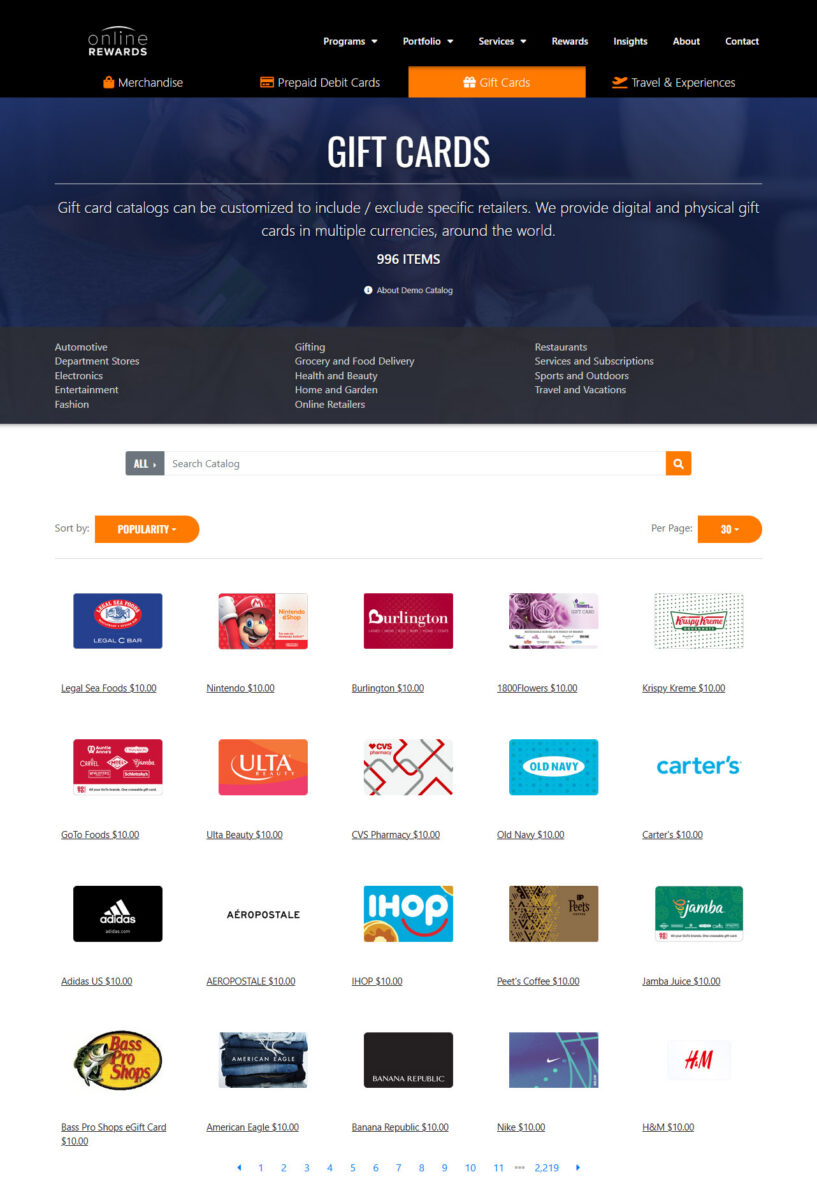
Gift cards remain one of the most effective tools in sales incentives. Their popularity comes down to flexibility, perceived value, and simplicity.
From a participant’s perspective, gift cards feel like cash but with more intention. They allow reps to choose what matters to them. That choice increases emotional connection to the reward.
From a business perspective, gift cards are easy to manage. They offer predictable costs and simplify distribution. They can also be delivered instantly through digital platforms.
Perceived value plays a major role. A $100 gift card often feels more impactful than a $100 bonus added to a paycheck. The reward is separate and visible. It feels earned rather than absorbed into routine income.
This aligns with behavioral research. Harvard Business Review has highlighted how non-cash rewards can drive stronger motivation because they create a clearer psychological distinction from salary.
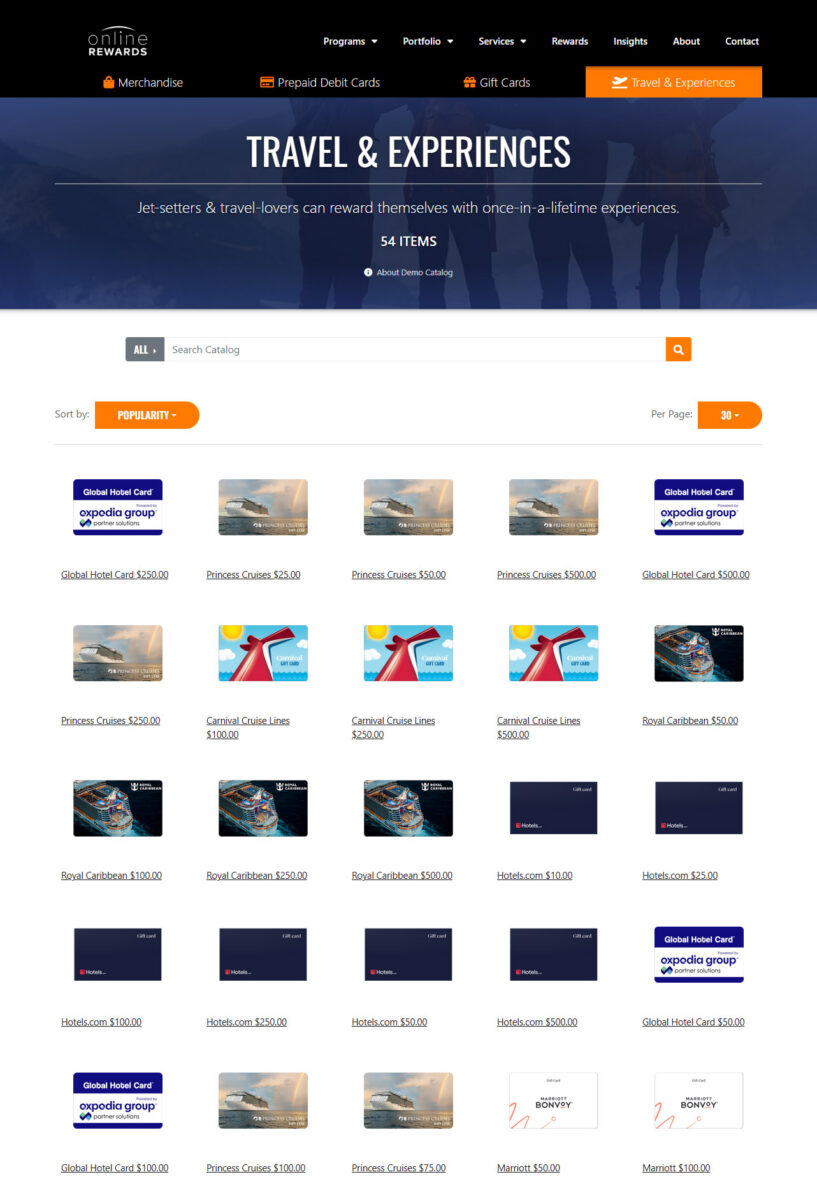
Gift cards also support global programs. With the right platform, companies can offer region-specific options that feel relevant to each participant. This is critical for organizations with distributed teams.
In 2026, the dominance of gift cards is tied to their adaptability. They fit into almost any incentive structure and continue to deliver strong engagement across industries.

Data continues to reinforce the shift toward digital incentives. Engagement rates are higher when rewards are delivered instantly. Redemption rates increase when participants have a choice. Program participation improves when rewards feel personal.
Companies are also seeing faster behavior change. When incentives are tied closely to specific actions and delivered immediately, reps are more likely to repeat those actions. This creates a direct link between incentive strategy and revenue growth.
Another key insight is program visibility. Digital platforms provide real-time tracking and reporting. Leaders can see what is working and adjust quickly. This level of insight was difficult to achieve with traditional models.
Budget efficiency is also improving. Companies can allocate rewards more precisely and target high-impact behaviors. They can avoid overpaying for underperformance.
Additional workforce data support the need for modern incentive strategies. Gallup reports that employee engagement remains a key driver of performance, yet many organizations still struggle to maintain it.
The data points to one clear conclusion. Digital rewards are not just a trend, they are a performance driver.
One of the biggest changes in incentive strategy is the move toward personalization. Sales teams are diverse, and motivations vary. A single reward option will not resonate with everyone.
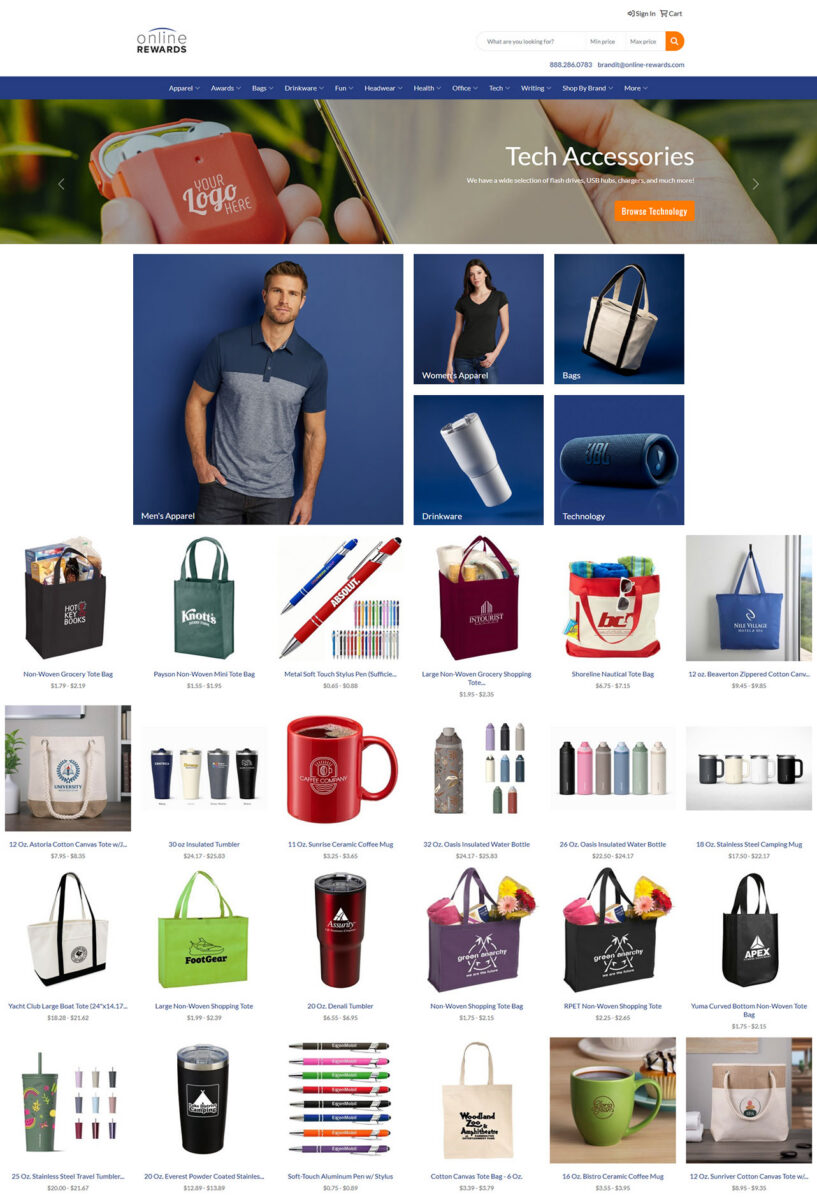
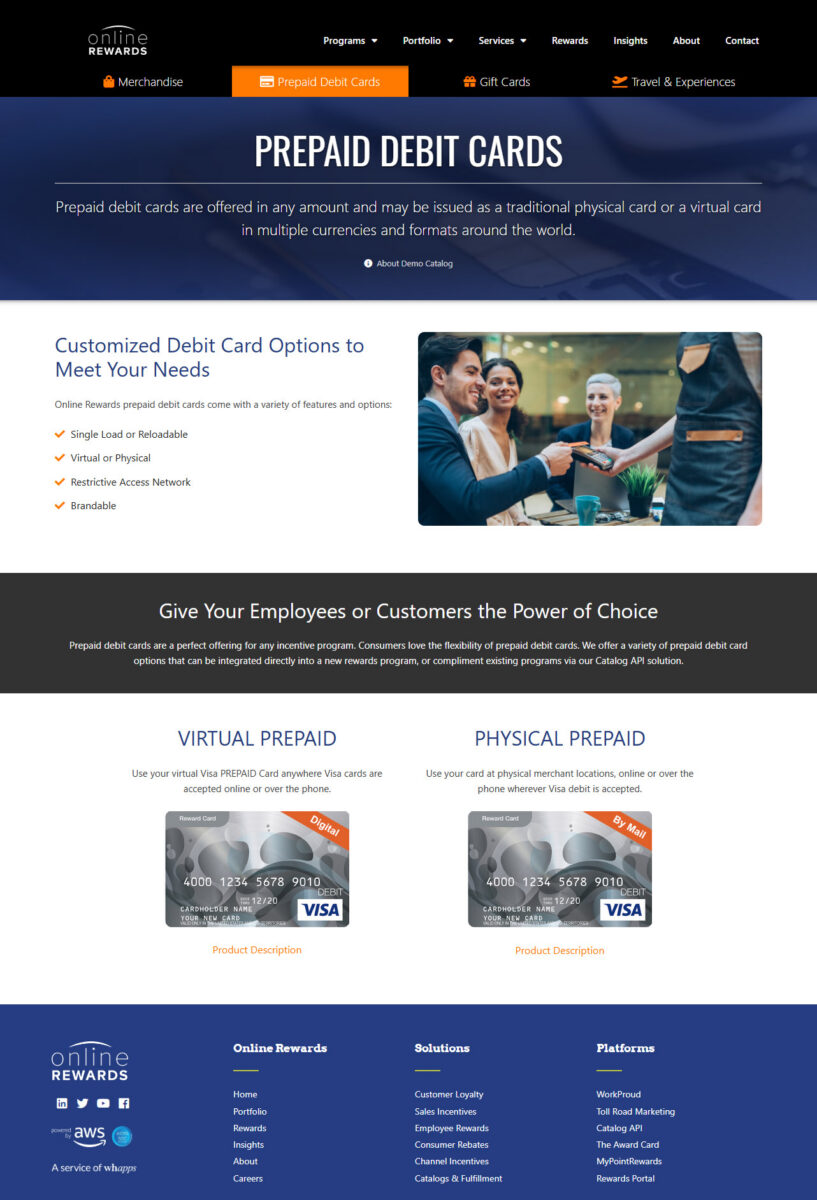
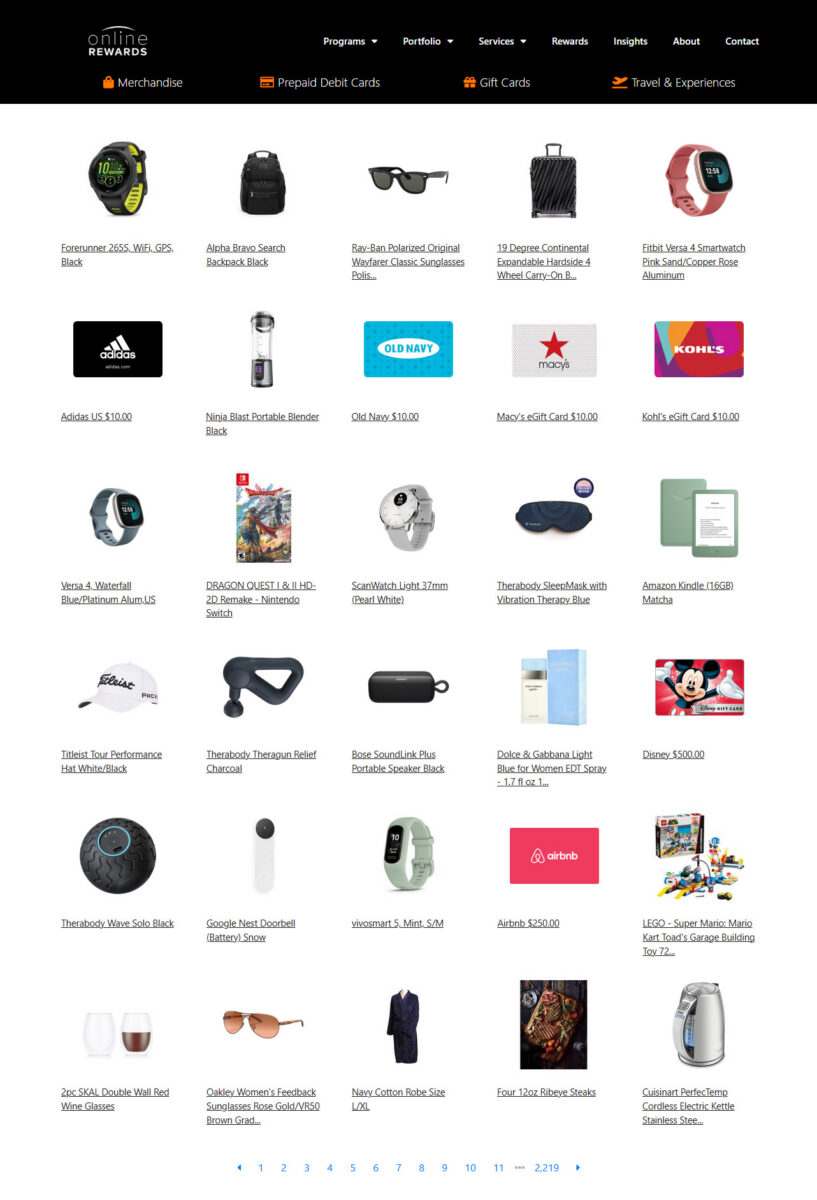
Personalization allows companies to meet reps where they are. Instead of forcing participants into a predefined reward, programs can offer a range of options. This could include gift cards, travel experiences, merchandise, or experiential rewards.
The key is choice. When reps can select rewards that align with their preferences, engagement increases. The reward feels more meaningful and creates a stronger emotional response. Personalization also extends to timing and structure. Some reps respond to frequent, smaller rewards. Others are motivated by larger milestones. Digital platforms make it easier to support both within the same program.
Data plays a critical role here. By analyzing redemption patterns and engagement metrics, companies can refine their offerings and identify what drives performance across different segments.
This approach shifts the focus from program design to participant experience. It recognizes that motivation is not one-size-fits-all and builds incentive strategies that adapt to individual needs.
Executing a modern incentive program requires the right technology. Manual processes cannot keep up with the demands of real-time rewards and personalization.
Platforms like Online Rewards are designed to support this shift. They provide a centralized system for managing incentives, distributing rewards, and tracking performance. They also integrate with existing sales tools, making it easier to align incentives with business goals.
Digital platforms enable instant delivery and support global reward catalogs. They offer analytics that help optimize programs over time and reduce the administrative burden on internal teams.
Automation is a key advantage. Rewards can be triggered based on specific actions. This ensures consistency and speed while removing delays that can weaken the impact of an incentive.
Scalability is another factor. As organizations grow, their incentive programs need to expand with them. Digital platforms make it possible to manage large, distributed teams without adding complexity.
Technology is not just a support function. It is a core part of the incentive strategy.

Companies across industries are already seeing the benefits of digital sales incentives. Consider a mid-sized technology firm that shifted from quarterly bonuses to a real-time reward system. By introducing instant gift card rewards for key actions, they increased participation in their incentive program by over 40%. Sales activity became more consistent throughout the quarter.
Another example comes from a financial services company with a distributed sales team. They implemented a personalized reward catalog with region-specific gift card options. Engagement improved significantly. Reps reported higher satisfaction because the rewards felt relevant.
A global manufacturing company used digital incentives to drive adoption of a new product line. They tied rewards to specific sales milestones and delivered them instantly. The result was faster product adoption and a measurable increase in revenue within the first six months.
These examples highlight a common theme. Digital rewards create a stronger connection between effort and outcome. They make incentives more visible, immediate, and meaningful.
The evolution of sales incentives is far from over. As technology continues to advance, programs will become even more personalized and data-driven.
Artificial intelligence will play a larger role in optimizing incentives. It will help identify patterns and predict what motivates different reps. This will allow companies to design programs that are more precise and effective.
Integration will also improve. Incentive platforms will connect seamlessly with CRM systems, performance tools, and communication platforms. This will create a more cohesive experience for both managers and participants.
Despite these advancements, the core principles will remain the same. Immediacy, choice, and personalization matter.
Digital rewards, especially gift cards, will continue to be a central part of this strategy. They offer the flexibility and perceived value that modern sales teams expect.
Sales incentives in 2026 are defined by immediacy, flexibility, and personalization. Digital rewards are at the center of this transformation. They provide a faster, more engaging way to recognize performance and drive results.
Gift cards continue to lead because they balance choice and simplicity. They deliver strong perceived value while allowing companies to manage budgets effectively.
The shift away from traditional models is clear. Companies that embrace digital rewards are building stronger connections with their sales teams. They are creating programs that motivate consistently, not just at the end of a quarter.
With the right platform and strategy, digital incentives can become a powerful engine for growth. To learn more about how to modernize your incentive programs, click here and explore how digital solutions can elevate your sales strategy.