
For many B2B organizations, growth depends on more than direct sales teams.
Partners, distributors, resellers, affiliates, and channel networks often play a critical role in driving revenue, expanding market reach, and supporting customer acquisition.
However, partner engagement is not automatic.
Partners are frequently working with multiple vendors, competing priorities, and limited resources. Organizations that fail to actively engage their channel ecosystem often struggle to maintain attention, participation, and long-term loyalty.
This is why B2B incentive programs have become such an important part of modern channel strategy.
A well-designed incentive program helps businesses motivate partners, reward desired behaviors, strengthen relationships, and ultimately drive revenue growth.
Rather than relying solely on contracts or commissions, incentive programs create ongoing engagement that benefits both the vendor and the partner.
A B2B incentive program is a structured system that rewards business partners for completing specific activities or achieving defined outcomes.
Unlike consumer loyalty programs, B2B incentive programs are designed for organizations and professional audiences.
The goal is to encourage behaviors that contribute to mutual growth while strengthening the relationship between the organization and its partners.
Many organizations assume that signing a partner agreement automatically leads to engagement.
In reality, most partners have limited time and attention.
A reseller, for example, may represent dozens of vendors simultaneously. If one vendor provides better support, stronger incentives, or more attractive opportunities, that vendor often receives greater attention.
This creates a competitive environment where partner mindshare becomes extremely valuable.
Incentive programs help create this engagement by providing clear reasons for partners to invest time and effort into promoting a specific solution.
When designed correctly, B2B incentive programs generate benefits for both the vendor and the partner.
This creates alignment between both parties while encouraging long-term collaboration.
Rather than functioning as one-time promotions, successful incentive programs become ongoing relationship-building tools.
One of the biggest mistakes organizations make is rewarding outcomes without considering the behaviors that lead to those outcomes.
Revenue is important, but revenue is often the result of several smaller actions.
Successful B2B incentive programs identify and reward the behaviors that contribute to growth.
Examples include:
Partners who understand a product are more likely to sell it effectively.
Many organizations reward:
These activities improve partner knowledge and increase confidence when engaging customers.
Deal registration programs help encourage early engagement while providing visibility into pipeline activity.
Rewarding deal registration can:
Partners often support:
Incentives can encourage greater involvement in these activities while increasing overall program engagement.
Revenue-based incentives remain one of the most common approaches.
However, the strongest programs combine revenue rewards with additional engagement drivers rather than relying solely on sales outcomes.

Many channel incentive programs struggle because they focus exclusively on financial rewards.
While commissions and rebates are important, they are rarely enough on their own to sustain long-term engagement.
Partners often disengage when programs become difficult to understand or when rewards feel disconnected from their effort.
Successful programs prioritize simplicity and transparency.
Clarity drives participation.
The most successful B2B incentive programs are built around the partner experience.
Rather than asking what the vendor wants, organizations should ask: “What will motivate our partners to engage more deeply?”
Partners should feel that the program supports their success rather than simply serving the vendor’s objectives.
Programs that create mutual value consistently outperform those focused solely on vendor outcomes.
Rewards play an important role in maintaining partner interest and participation.
However, the most effective programs recognize that not all partners are motivated by the same incentives.
Providing flexibility allows partners to choose rewards that are personally relevant.
This often leads to higher engagement than offering a limited set of fixed incentives.
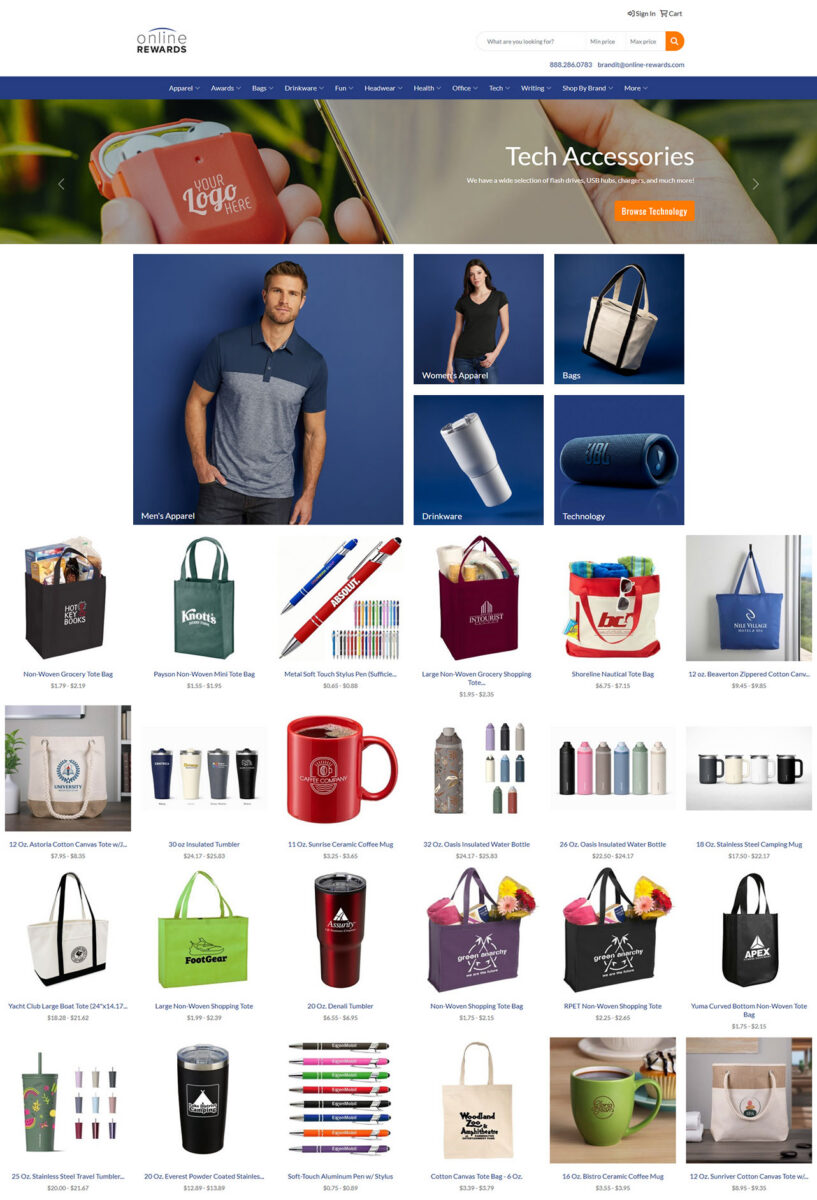
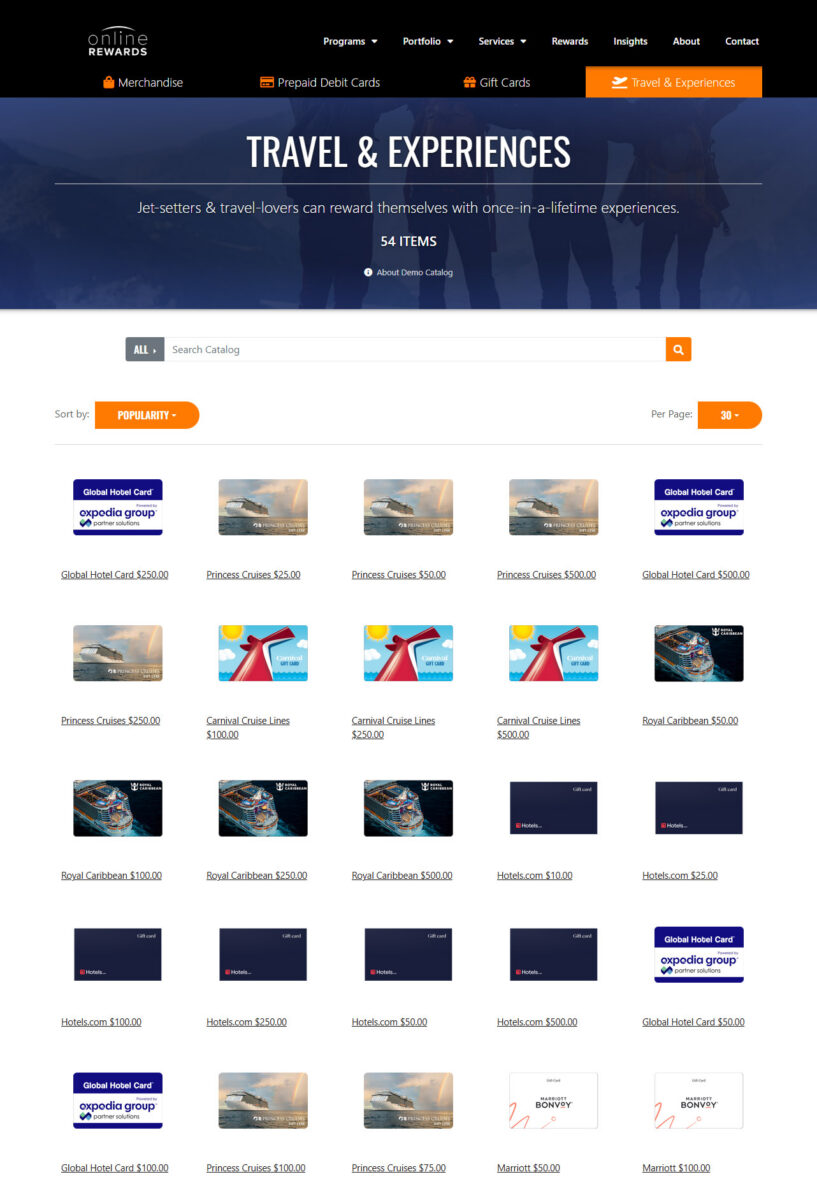
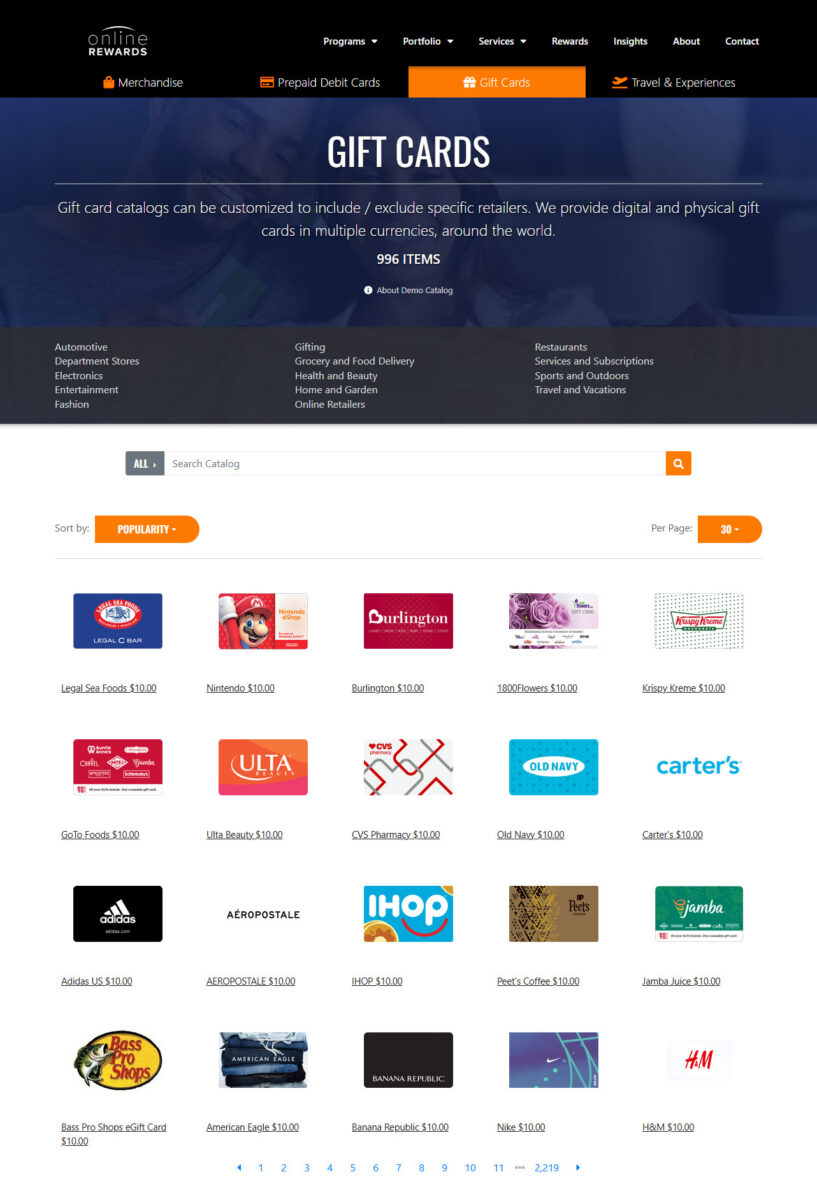
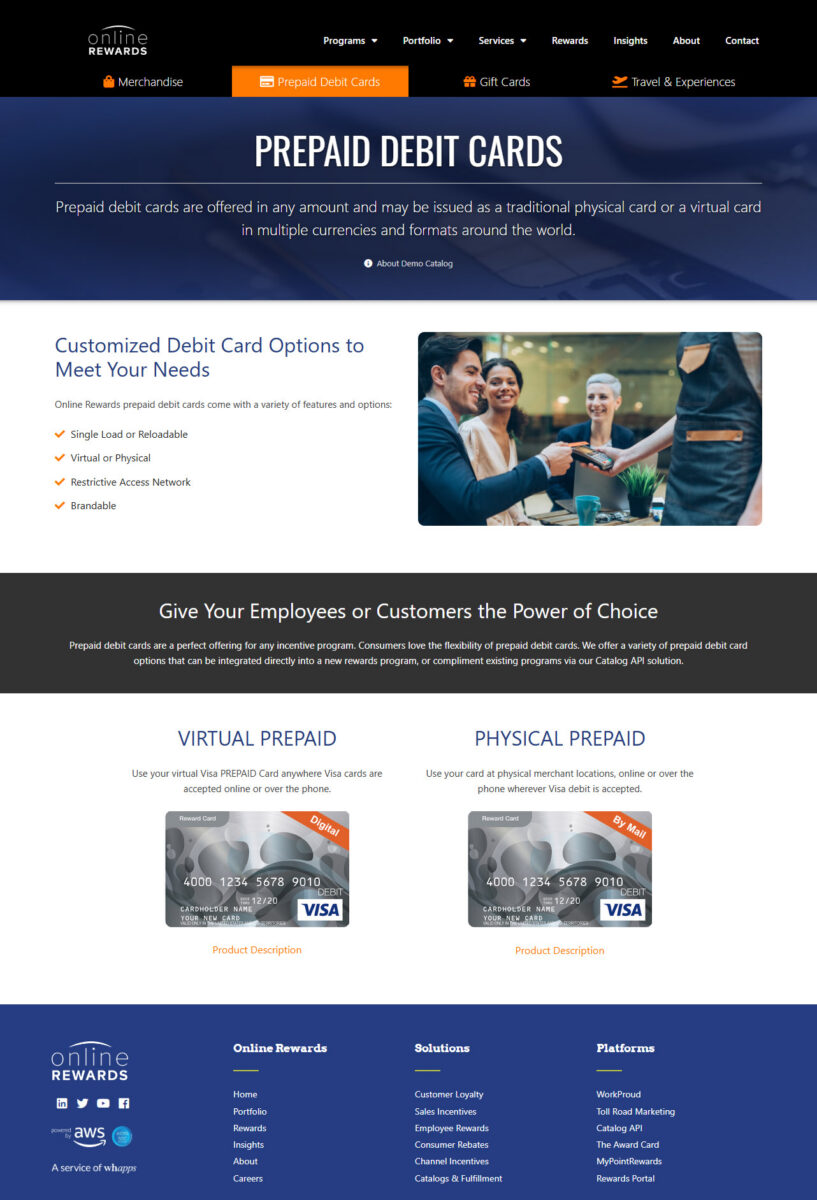
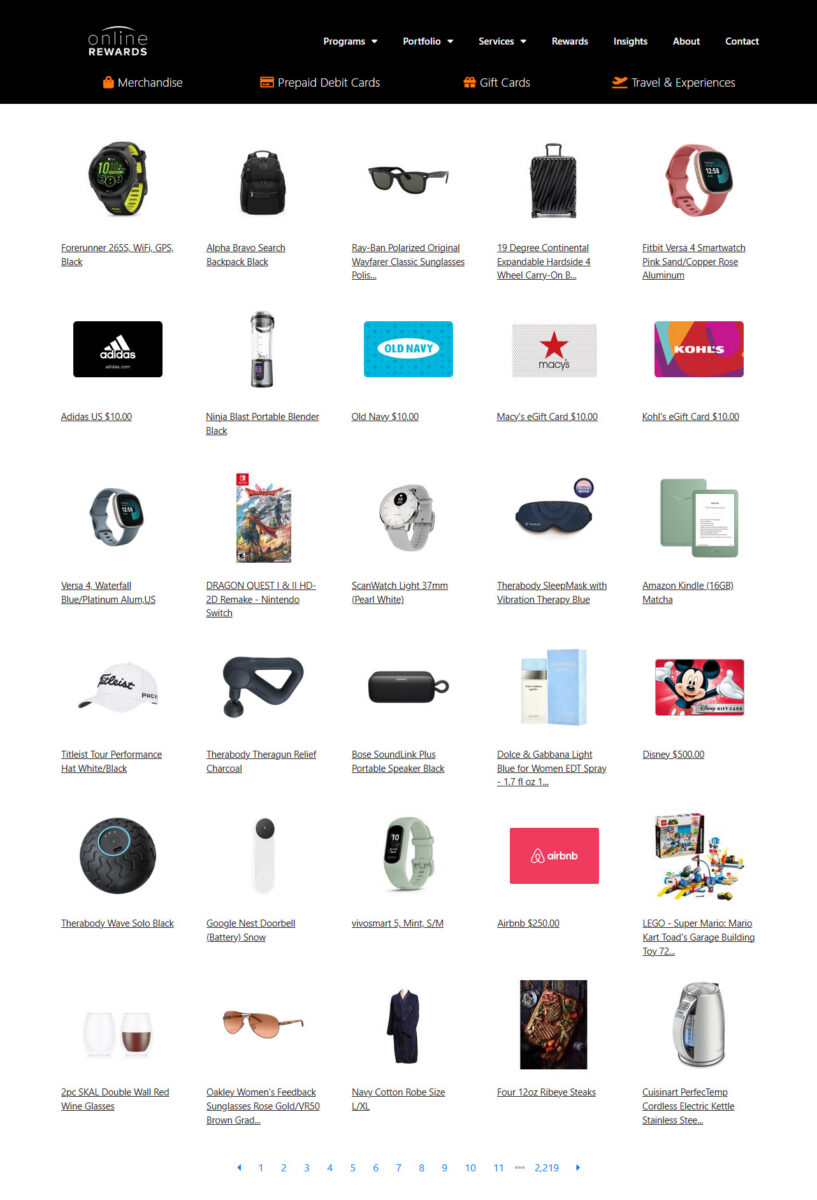
Modern B2B incentive programs increasingly use rewards catalogs that provide broad choice while simplifying administration.
Platforms such as Online Rewards help organizations provide access to global reward options that support diverse partner preferences across multiple countries and regions.
Many traditional channel programs rely heavily on manual administration.
As partner ecosystems grow, these problems become increasingly difficult to manage.
Automation creates a better experience for both vendors and partners.
It also allows organizations to scale programs without dramatically increasing operational complexity.
This creates a more responsive and engaging experience.
Successful channel programs require clear measurement and visibility.
These metrics help organizations understand both engagement and business impact.
Reporting also allows ongoing optimization.
Data-driven improvements help maximize return on investment over time.

Many B2B organizations operate internationally.
This introduces additional complexity into channel incentive programs.
A reward that motivates a partner in North America may not have the same impact in Europe or Asia.
This allows organizations to maintain consistency while supporting regional preferences.
Global infrastructure becomes increasingly important as partner ecosystems expand.
While every partner ecosystem is different, the most successful programs typically share several characteristics.
Most importantly, they focus on building relationships rather than simply distributing rewards.
Partners who feel supported, recognized, and rewarded are more likely to remain engaged over time.
A B2B incentive program is a structured system that rewards partners, resellers, distributors, affiliates, or other business relationships for achieving specific goals or completing desired activities.
Channel incentive programs help increase partner engagement, drive revenue growth, improve retention, encourage training participation, and strengthen long-term relationships.
Common rewards include gift cards, merchandise, travel rewards, experiences, prepaid cards, recognition awards, and business development incentives.
Programs often reward activities such as deal registration, certification completion, revenue generation, referrals, campaign participation, and product training.
Organizations typically track participation rates, certifications, deal registrations, revenue contribution, reward redemption, partner retention, and overall program ROI.
B2B incentive programs are powerful tools for driving partner and channel growth.
By rewarding meaningful behaviors, organizations can increase engagement, strengthen relationships, and encourage the activities that contribute most directly to business success.
The most effective programs go beyond simple commissions and rebates.
As channel ecosystems become increasingly competitive, organizations need engagement strategies that help them stand out and maintain partner attention.
Platforms such as Online Rewards help businesses build scalable B2B incentive programs through global rewards infrastructure, automation, fulfillment, and centralized program management.
When designed correctly, B2B incentive programs become more than sales tools. They become strategic growth engines that strengthen partner relationships, increase participation, and drive sustainable channel revenue.