
Building a successful loyalty program is about more than offering rewards.
The most effective loyalty programs are designed to encourage repeat engagement, strengthen relationships, and influence behaviors that create long-term value for both the customer and the business.
While many people associate loyalty programs with points and discounts, modern loyalty strategies have evolved significantly. Today’s programs often include personalized rewards, tiered experiences, referrals, recognition, and engagement incentives that extend far beyond simple transactions.
Whether the goal is increasing customer retention, encouraging repeat purchases, improving product adoption, or building advocacy, the foundation of every successful loyalty program remains the same.
It starts with understanding what behaviors you want to encourage and designing a system that consistently reinforces them.
A loyalty program is a structured system that rewards users for ongoing engagement with a business.
The purpose is to encourage customers to continue interacting with the organization over time rather than choosing competitors.
The best loyalty programs create value for both sides.
Customers receive meaningful rewards while businesses increase retention, engagement, and customer lifetime value.
Before selecting rewards or designing a points system, it is important to define what the loyalty program is intended to achieve.
Many businesses make the mistake of launching a loyalty program simply because competitors have one.
Instead, loyalty programs should be tied to specific business objectives.
For example, a retail company may focus on increasing repeat transactions, while a SaaS business may prioritize feature adoption and subscription retention.
Clear objectives help determine every other part of the program.
Once goals are established, the next step is defining the specific behaviors that support those objectives.
The more clearly behaviors are defined, the easier it becomes to design an effective loyalty system.
Modern loyalty programs increasingly reward a broader range of actions rather than focusing exclusively on purchases.
This creates more opportunities to engage customers throughout their journey.

The structure of the loyalty program determines how users earn rewards and progress through the system.
Several common models exist.
Points systems are one of the most widely used loyalty structures.
Participants earn points for completing qualifying actions and redeem those points for rewards.
This model works well because it is easy for users to understand and supports ongoing engagement.
Tiered programs allow customers to move through different levels based on participation or spending.
Examples may include:
Higher tiers unlock additional benefits and incentives.
This structure encourages long-term participation and creates a sense of progression.
Referral programs reward customers for introducing new users to the business.
This model can be highly effective because it combines loyalty with customer acquisition.
Membership-based loyalty programs provide benefits in exchange for enrollment or subscription.
These programs often focus on:
The right structure depends on the audience, business model, and objectives.
Rewards are the most visible part of a loyalty program, but they should support the broader engagement strategy rather than define it.
The most effective rewards are relevant to the audience.
Choice is often important.
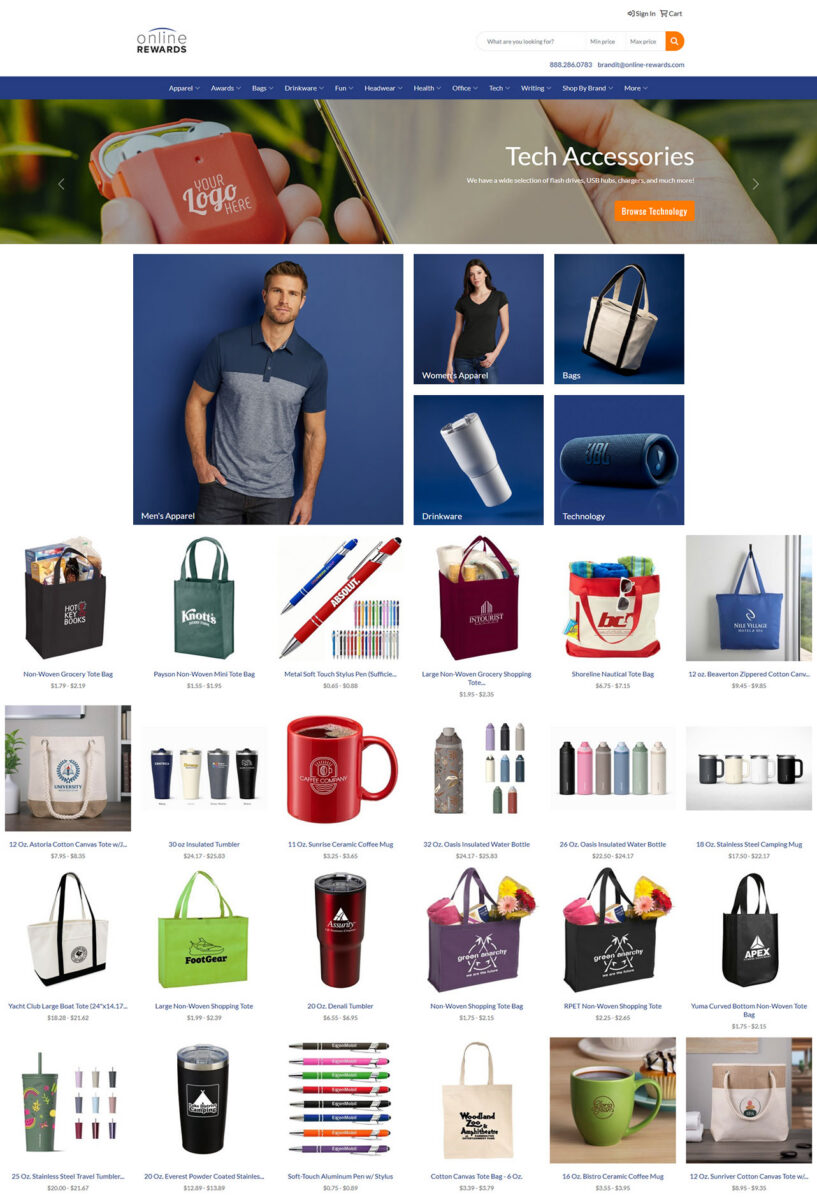
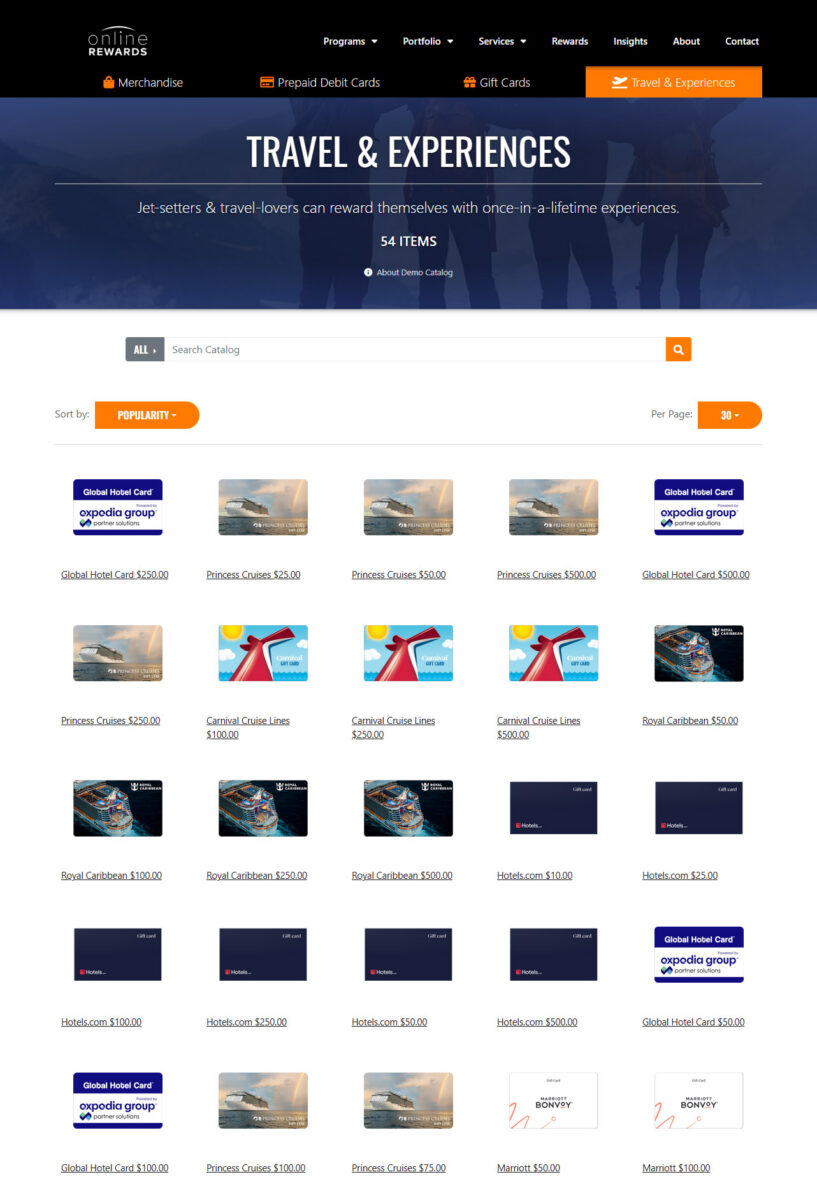
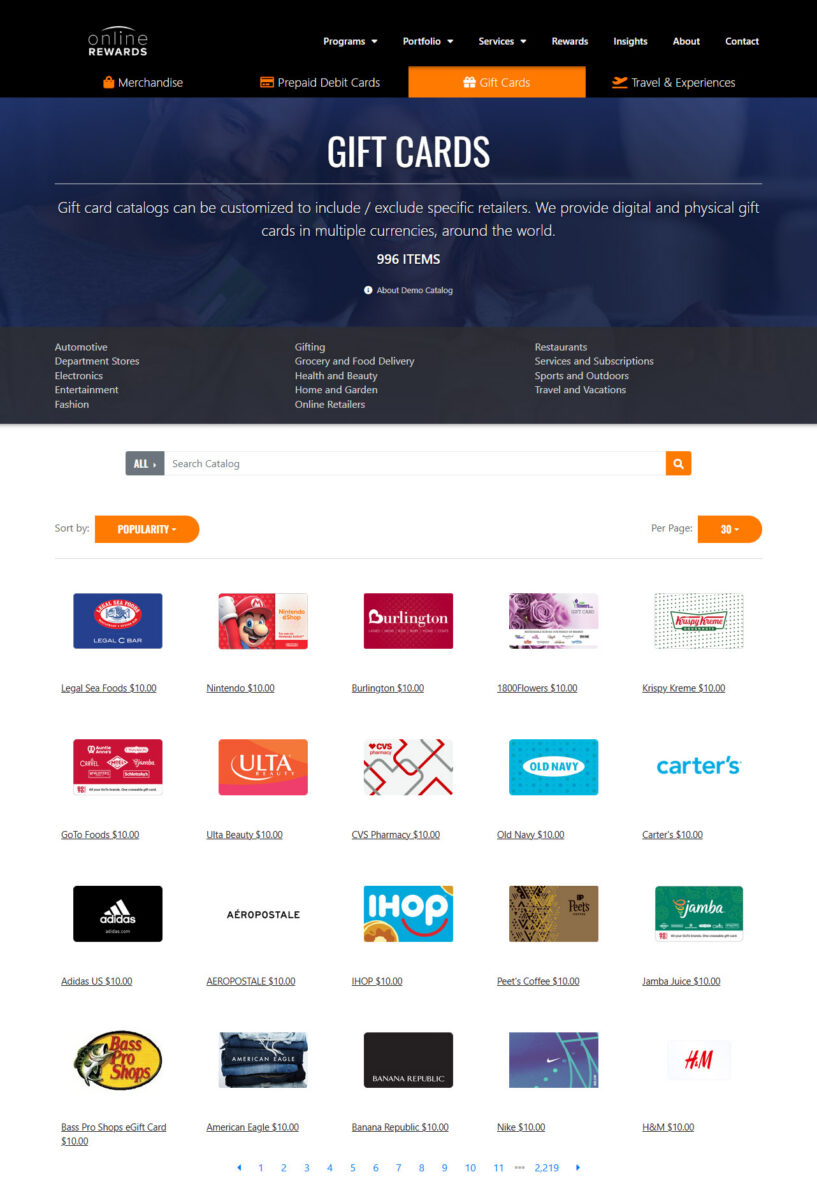
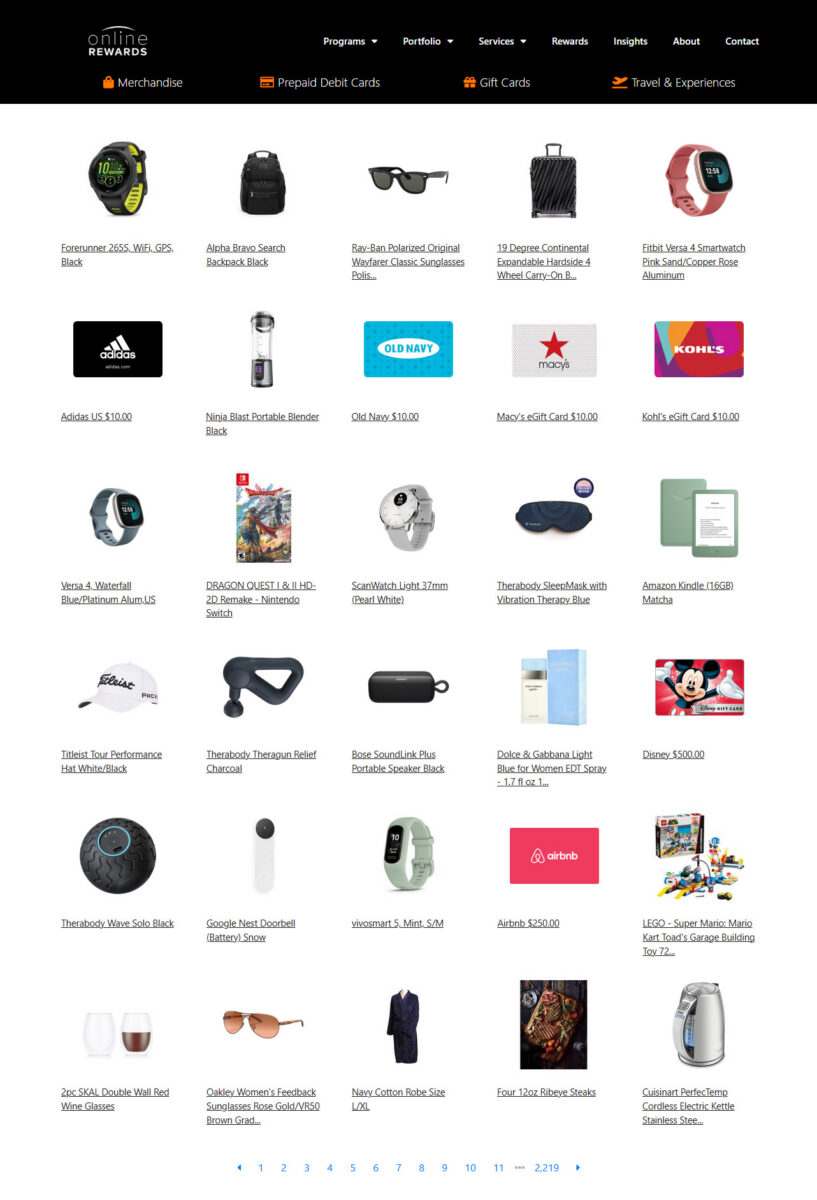
Different users value different rewards, which is why many modern programs use reward catalogs that allow participants to select incentives that match their interests.
Providing flexibility can improve engagement and increase perceived value.
Platforms such as Online Rewards help businesses provide access to global rewards catalogs that support multiple reward types and regions.
One of the biggest reasons loyalty programs fail is unnecessary complexity.
If users need extensive explanations to understand the program, engagement often suffers.
Simple loyalty programs consistently outperform overly complicated systems because they reduce friction and increase participation.
Clarity builds trust and makes it easier for users to stay engaged over time.
A loyalty program is only as strong as the experience users have when redeeming rewards.
If earning rewards is easy but redemption is confusing or frustrating, overall engagement will suffer.
The easier it is to redeem rewards, the more likely users are to continue participating in the program.
Modern loyalty platforms often provide self-service redemption experiences that allow users to browse rewards, select incentives, and complete redemptions without needing support or manual intervention.

As loyalty programs grow, manual administration quickly becomes difficult to manage.
Many businesses initially attempt to track loyalty activity through spreadsheets, manual approvals, or disconnected systems.
Automation helps eliminate these problems.
This creates a better experience for both administrators and participants.
Automation also allows businesses to scale loyalty programs without significantly increasing operational workload.
Launching a loyalty program is only the beginning.
To maximize results, businesses need to continually measure performance and optimize the program over time.
These metrics help determine whether the program is achieving its original objectives.
Measurement allows businesses to make data-driven improvements and increase the effectiveness of the program over time.
One of the biggest challenges with loyalty programs is maintaining long-term engagement.
Even successful programs can experience declining participation if they become repetitive or predictable.
Introducing variety helps maintain excitement and gives participants new reasons to engage.
This is particularly important for mature loyalty programs where participants may have already earned and redeemed rewards multiple times.
Keeping the experience dynamic helps prevent engagement fatigue.
Many loyalty programs fail not because loyalty is ineffective, but because the program itself is poorly designed.
Modern loyalty programs should reward more than purchases alone.
Referrals, advocacy, engagement, reviews, and product usage can all contribute to stronger customer relationships.
Rewards that do not resonate with the audience often lead to low participation and redemption rates.
Providing reward choice usually improves results.
Complex rules and confusing redemption processes create friction that discourages participation.
Simplicity is often one of the strongest predictors of program success.
Without measurement, businesses cannot determine whether the program is working or identify opportunities for improvement.
Customer expectations change over time.
Programs that remain static often lose effectiveness as engagement patterns shift.

Technology plays an increasingly important role in loyalty program success.
Rather than managing loyalty through disconnected systems, businesses can centralize engagement within a single platform.
Platforms such as Online Rewards provide infrastructure that supports loyalty programs through global rewards catalogs, automation, fulfillment, reporting, and engagement management.
This allows organizations to focus on strategy while reducing operational complexity.
The first step is defining the business objective. Organizations should identify the specific outcomes and behaviors they want the program to influence.
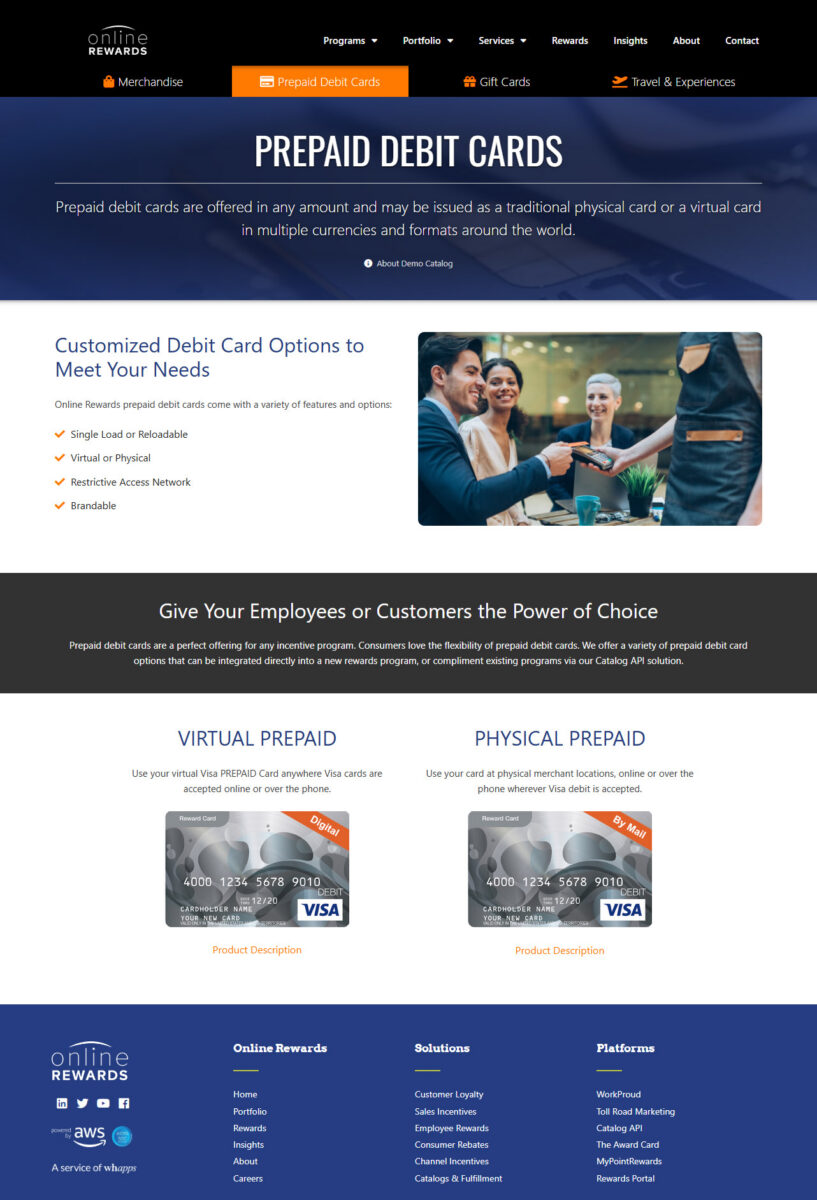
Common rewards include gift cards, discounts, merchandise, experiences, travel rewards, and exclusive benefits. The best rewards depend on the audience and goals of the program.
Loyalty programs encourage repeat engagement by rewarding behaviors that strengthen the relationship between the customer and the business.
Points systems are popular because they are easy to understand and support ongoing engagement, but they are not the only effective loyalty structure.
Common metrics include participation rates, repeat purchases, retention, referrals, reward redemption, customer lifetime value, and overall revenue impact.
Building a successful loyalty program requires more than simply offering rewards.
The most effective programs start with clear objectives, focus on meaningful behaviors, provide relevant incentives, and use technology to create seamless engagement experiences.
By defining goals, selecting the right structure, offering valuable rewards, and continuously measuring performance, businesses can create loyalty programs that drive long-term participation and measurable results.
Modern loyalty platforms make it easier to automate these processes, support global audiences, and scale engagement over time.
Platforms such as Online Rewards help organizations build loyalty programs through centralized rewards infrastructure, automation, fulfillment, and analytics.
When designed correctly, a loyalty program becomes more than a rewards system. It becomes a long-term engagement strategy that strengthens relationships and supports sustainable business growth.