
Many businesses begin managing incentives manually.
At first, this often seems manageable. Teams use spreadsheets to track participation, email approvals to manage rewards, and separate vendors to handle fulfillment.
But as engagement programs expand across employees, customers, sales teams, and partners, manual processes quickly become difficult to scale.
This is why many organizations are moving away from manual incentive management and toward automated incentive platforms that centralize engagement, rewards, fulfillment, and reporting within one scalable system.
Manual incentive management refers to programs that rely heavily on human administration rather than automated systems and workflows.
Many organizations use manual systems because they initially appear flexible and inexpensive to implement.
For small programs with limited participants, manual management may work temporarily.
At enterprise scale, manual administration becomes increasingly inefficient and difficult to maintain consistently.
An automated incentive platform is centralized software designed to manage engagement and rewards through automated workflows, integrations, and real-time tracking.
This allows businesses to trigger incentives automatically based on user activity and predefined rules.
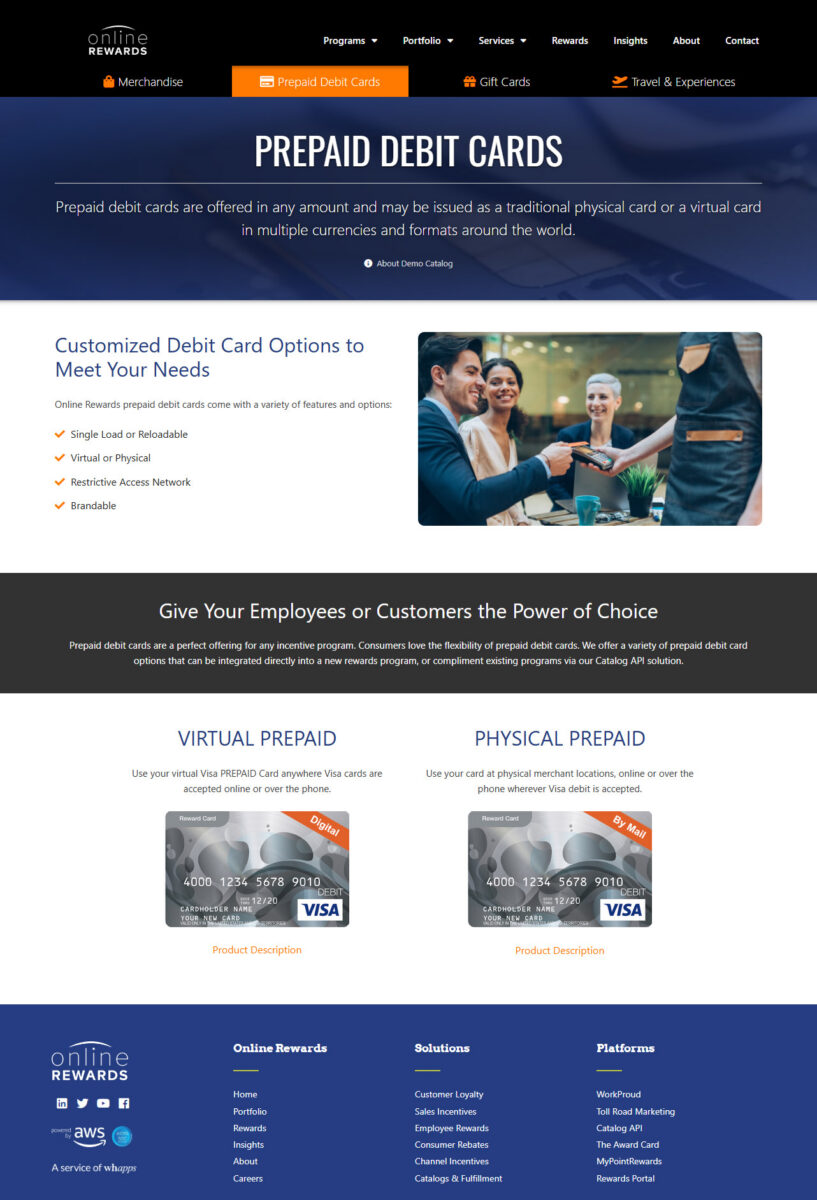
Platforms such as Online Rewards help organizations automate engagement programs globally while centralizing reward management and reporting.

The biggest difference between manual incentive management and automated platforms is scalability.
Manual systems depend heavily on people and processes.
Automated platforms rely on infrastructure, integrations, and workflows.
As engagement strategies grow, automation becomes increasingly important for maintaining consistency and operational efficiency.
Many businesses underestimate how much operational overhead manual systems create.
The complexity compounds as more audiences and regions are added.
Over time, this creates a fragmented infrastructure that is difficult to manage consistently.
Automation reduces this burden by centralizing workflows and reducing dependency on manual administration.
Manual incentive management may work for small localized programs, but enterprise engagement strategies introduce additional complexity.
Managing these requirements manually quickly becomes unsustainable.
As incentive programs become more strategic, businesses increasingly need infrastructure that can support scalability without adding operational friction.

One of the biggest advantages of automated incentive platforms is improved user experience.
Manual systems often create delays and inconsistency.
Automation creates a more seamless experience.
This immediacy strengthens engagement because the connection between action and reward becomes clearer and more reliable.
Behavioral psychology shows that incentives are most effective when reinforcement happens quickly.
The longer the delay between the action and the reward, the weaker the behavioral connection becomes.
This creates stronger behavioral reinforcement and higher long-term engagement.
Manual systems often create fragmented reporting.
Automated platforms centralize reporting and analytics into one system.
Centralized reporting enables continuous optimization and better strategic decision-making.
Managing these programs manually through separate workflows creates significant inefficiency.
Automated incentive platforms support multi-audience engagement from one centralized infrastructure.
Platforms such as Online Rewards are designed to support these enterprise-wide engagement strategies through centralized automation and rewards infrastructure.

Typically, benefit from automation.
As engagement programs become more strategic, automation increasingly becomes essential rather than optional.
Manual incentive management refers to programs managed through spreadsheets, emails, manual approvals, and disconnected workflows rather than automated platforms.
An automated incentive platform is software that automates engagement tracking, reward delivery, reporting, and program management.
Businesses automate incentives to improve scalability, reduce administrative overhead, improve user experience, and gain better reporting visibility.
Common issues include delayed rewards, fragmented reporting, operational inefficiency, inconsistent experiences, and difficulty scaling globally.
Yes. Modern incentive platforms can support customers, employees, sales teams, partners, and other engagement programs within one centralized system.
Manual incentive management may work temporarily for smaller programs, but it becomes increasingly difficult to scale as engagement strategies grow.
Automated incentive platforms provide the infrastructure needed to manage these programs efficiently and consistently.
By reducing manual administration and improving scalability, businesses can focus more on driving engagement and less on operational coordination.
Platforms such as Online Rewards help organizations automate incentive management globally through centralized engagement and rewards infrastructure.
For businesses building long-term engagement strategies, automation is no longer just an operational improvement. It is becoming a foundational requirement for scalable incentive management.