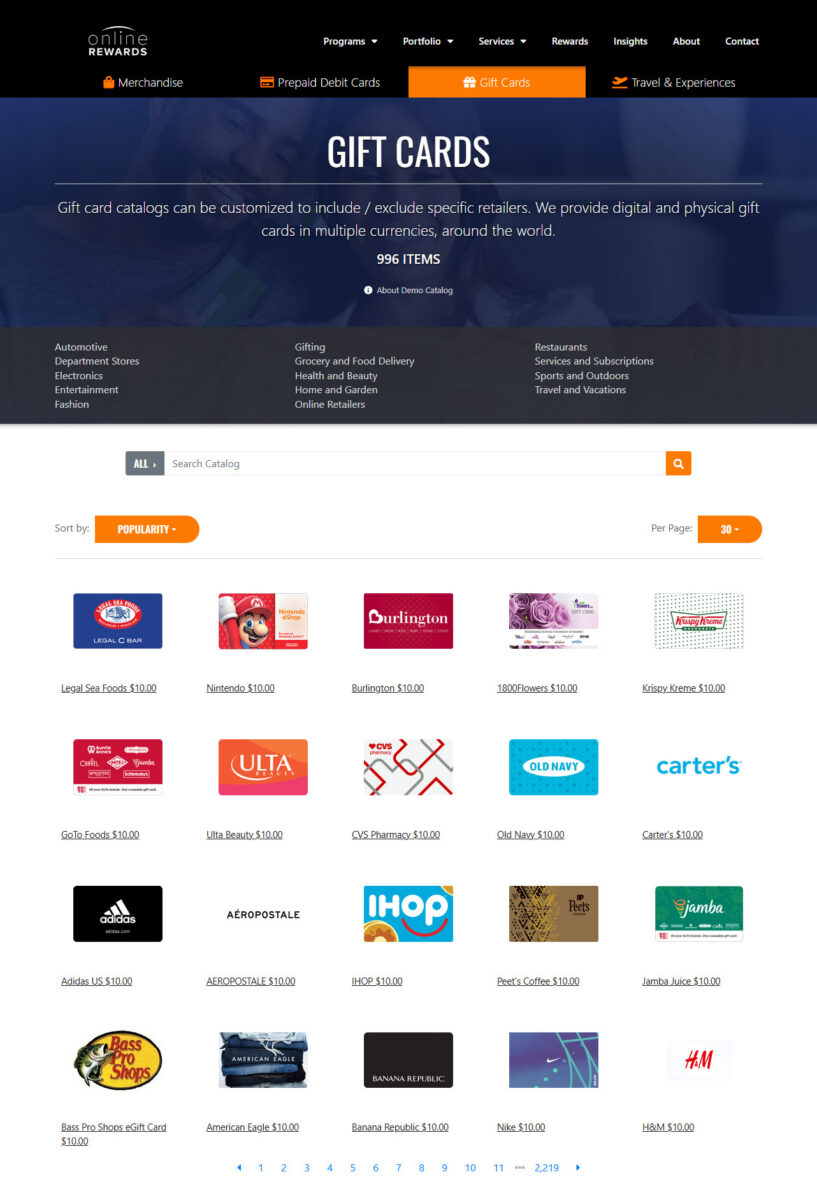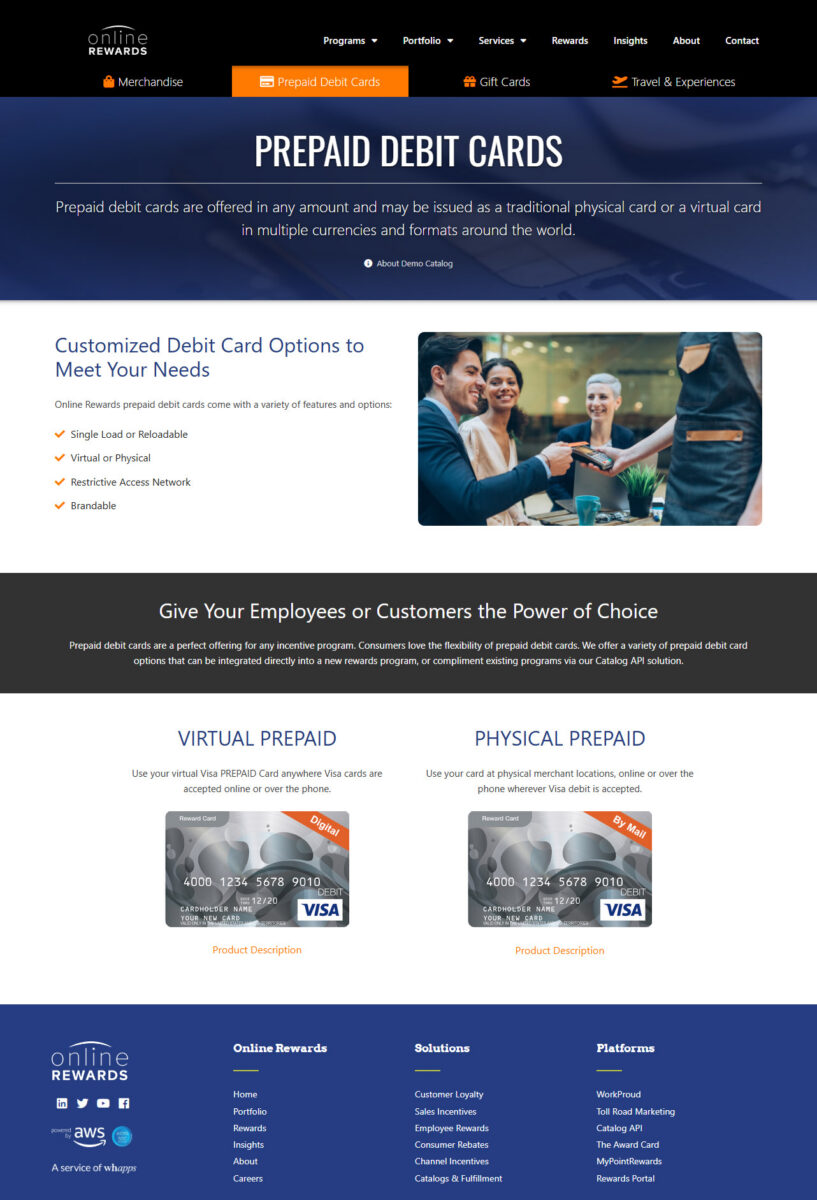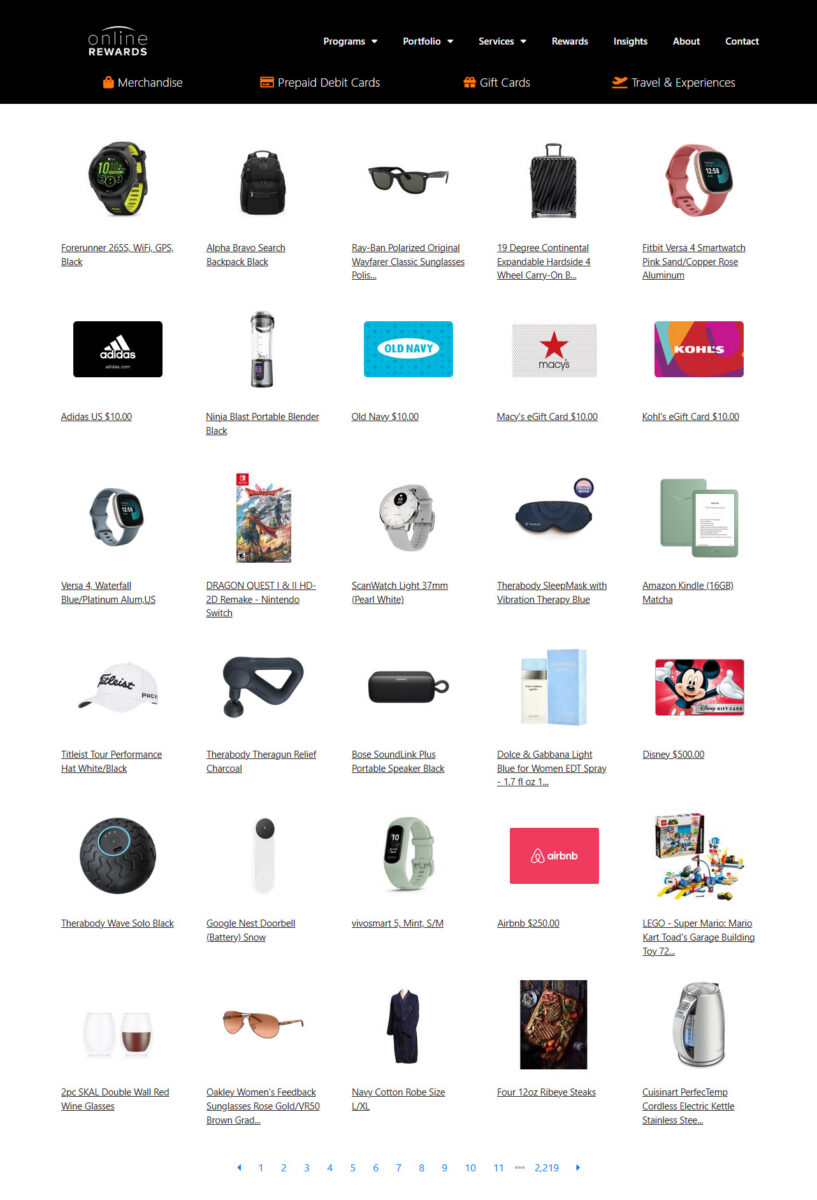

Tango is a digital rewards platform used by organizations to distribute incentives to employees, customers and other recipients.
Businesses may use platforms such as Tango for:
These platforms can be especially useful when eligibility has already been determined elsewhere.
For example:
That workflow can be efficient for simple programs.
However, organizations running more sophisticated incentive strategies may need considerably more functionality before the reward is issued.
Organizations may start comparing Tango competitors when their reward requirements become more complex.
Reward fulfillment primarily answers:
What reward should we send?
A wider incentive program may also need to determine:
This distinction becomes particularly important for sales, employee and channel programs.
Enterprise programs rarely follow one simple structure.
A sales incentive program might include:
An employee program could instead focus on:
Channel incentives may need completely different rules for dealers, distributors and individual partner salespeople.
A more configurable incentive platform can support these different requirements.
The information required to operate an incentive program often already exists within the organization.
Relevant systems may include:
Connecting those systems with the incentive program can reduce manual administration.
For example, CRM data could automatically confirm when a salesperson reaches a target.
An HR platform could identify an employee anniversary.
A learning system could confirm completion of required training.
Integration can make incentive programs more responsive while improving data accuracy.
Large organizations may operate several reward programs simultaneously.
These could include:
Using separate tools for every audience can increase complexity.
Potential issues include:
A broader incentive platform may allow organizations to consolidate more of these programs.

Not every organization wants a completely self-service platform.
Some businesses also need help with:
The level of service can therefore be just as important as the reward catalog.
Before comparing platforms, define what your organization genuinely needs.
Start with the audience.
Are you rewarding:
Different platforms are better suited to different programs.
A solution built around simple digital payouts may not be ideal for a complex channel incentive program.
Consider how complicated your earning structure needs to be.
Important functionality could include:
The more complex the program becomes, the more important configurability becomes.
Participants should have access to rewards that are relevant to them.
Depending on the audience, this could include:
A larger program may need different reward options for different participant groups.
International programs involve more than simply delivering a digital gift card overseas.
Businesses should also consider:
The requirements of a US-only incentive program can be very different from those of a multinational organization.
Businesses need visibility into whether the program is working.
Useful reporting may include:
For more advanced programs, reporting should help connect incentive activity with measurable business outcomes.
Identify which systems need to communicate with the incentive platform.
Integration can reduce manual uploads and allow rewards to respond directly to verified activity.
This is particularly valuable for:
Finally, determine how much your internal team wants to manage.
Some organizations only need software.
Others need a partner that can help design, implement and optimize the entire program.
Platform | Best suited for |
Online Rewards | Custom enterprise incentive programs |
Tremendous | Digital rewards and payouts |
BHN Rewards | Large-scale reward fulfillment |
Giftbit | API-driven digital rewards |
Runa | Embedded digital payouts |
Giftogram | Branded gifting experiences |
These platforms overlap in some areas, but they are not interchangeable.
The right choice depends largely on whether your organization needs simple reward delivery or complete incentive program management.
Online Rewards is designed for organizations that need to build incentives around specific business objectives rather than simply distribute individual rewards.
Programs can support areas such as:
This makes Online Rewards particularly relevant for organizations with several audiences or more sophisticated requirements.
A configurable platform allows businesses to design earning structures around the behavior they want to influence.
For example, one organization could reward:
Each program could use different qualification rules.
This is particularly valuable when a standardized reward workflow cannot support the required complexity.
A complete incentive program may need to determine why someone has earned a reward before fulfillment takes place.
The system might need to understand:
That creates a stronger connection between incentive spend and measurable business behavior.
Large programs may rely on information held in existing business systems.
For example:
CRM data can support sales incentives.
HRIS data can support employee programs.
Learning data can support training rewards.
Connecting these systems can reduce manual processing and improve program accuracy.
A broader incentive platform can also help businesses consolidate different programs.
Rather than maintaining separate systems for employee rewards, sales incentives and channel programs, organizations may prefer a more unified approach.
This can help create more consistent:
Another consideration is whether the organization wants a technology vendor or a more involved program partner.
Complex incentive programs may require support around:
This can be particularly useful for businesses without a dedicated internal incentive team.
Online Rewards may be most relevant for:
If your requirement is simply to send an occasional digital reward, a lighter platform may be sufficient.
If incentives need to influence measurable business behavior, a broader platform may provide more value.
Tremendous is another option for organizations that need efficient digital reward distribution.
It can be useful for programs such as:
Tremendous can work well when another system already determines:
The platform can then focus primarily on delivery.
For straightforward programs, this can keep administration relatively simple.
Organizations running more complicated programs may also require:
In those cases, businesses should compare digital reward platforms with wider incentive management solutions.

BHN Rewards is another option for businesses that need reward fulfillment across larger incentive or promotional programs.
Potential use cases include:
BHN Rewards can be suitable where fulfillment is one of the main requirements.
If another platform already determines eligibility and reward values, the reward provider can concentrate on delivery.
However, businesses with more complex program requirements should also consider whether they need:
Those requirements may point toward a broader incentive management platform.
Giftbit is another Tango Card alternative for organizations that want to automate digital reward delivery.
It can support use cases such as:
API-driven fulfillment can be particularly useful when another system already manages eligibility.
For example, a customer could automatically receive a reward after completing a referral.
A research participant could receive a gift card after finishing a study.
An employee could receive recognition after reaching a predefined milestone.
Giftbit can work well when the organization already knows:
The reward platform then focuses on delivery.
This can keep relatively simple incentive workflows easy to manage.
A straightforward digital reward program can become more complex over time.
Future requirements may include:
Businesses should therefore consider whether they only need fulfillment today or whether the program is likely to expand.
Runa is focused on digital payouts that can be integrated into existing applications and workflows.
This can make it relevant for organizations that want rewards to be issued automatically after a qualifying action.
Potential use cases include:
Runa may suit businesses where incentive eligibility is managed elsewhere.
For example:
This can reduce manual administration and allow incentives to become part of an existing digital process.
The important question is where the wider incentive logic lives.
If the organization already manages eligibility, reward values and participant data elsewhere, an embedded payout solution may be enough.
If the platform also needs to manage:
then a broader incentive management solution may provide a better fit.
Giftogram focuses on branded gift card experiences for employees, customers and other audiences.
It may be particularly relevant when presentation and recipient choice are important.
Businesses may use branded gifting for:
Giftogram can work well when the organization wants a polished reward experience without building a highly complex incentive structure.
For example, a company may want to send a branded reward after:
In these situations, the experience of receiving the reward can be important.
Branded gifting does not automatically provide everything required for a complex incentive strategy.
Sales or channel programs may also need:
Businesses should therefore distinguish between a gifting requirement and a full incentive management requirement.

Businesses comparing Tango and Online Rewards should start by defining what the platform needs to manage.
The two solutions may overlap around rewards, but the overall program requirements can be very different.
Tango may suit organizations that primarily need efficient digital reward distribution.
It can be particularly useful when the business already knows:
The platform can then concentrate on fulfillment.
This approach can work well for straightforward reward campaigns.
Online Rewards becomes more relevant when the organization also needs to manage the program around the reward.
That may include:
The difference becomes increasingly important as incentive programs grow in complexity.
Start with the business problem.
If the requirement is:
Send this participant a digital reward.
A reward fulfillment platform may be enough.
If the requirement is:
Build an incentive program that changes behavior and connects rewards with measurable outcomes.
A broader incentive management platform may provide more value.
Different platforms suit different reward and incentive strategies.
Employee programs can range from occasional gifting to more structured incentive initiatives.
Businesses may reward:
For simple gifting, a digital reward platform may be sufficient.
More sophisticated employee incentive programs may require:
A broader incentive management solution may be more appropriate when employee rewards are part of a larger enterprise strategy.
Customer incentive programs may encourage:
For one-off digital rewards, fulfillment platforms can work well.
For ongoing customer loyalty programs, businesses may also need:
The more long-term the relationship becomes, the more important broader loyalty functionality becomes.
Sales programs usually require a closer connection between performance and rewards.
Businesses may want to reward:
For example:
Reach 100% of quarterly target and earn 5,000 points.
Reach 120% and unlock an additional reward.
This requires the program to understand performance data.
Businesses may therefore need:
A broader incentive management platform can provide more value in these situations.
Channel incentive programs can involve:
Participants may receive incentives for:
These programs can require more complex participant structures than simple reward campaigns.
Businesses may need:
This type of program is often better suited to a broader incentive management solution.

Research rewards are often more straightforward.
A participant completes an activity and receives a predefined incentive.
The organization already knows:
This makes reward fulfillment platforms particularly relevant.
The simpler the qualification logic, the less need there may be for a complete incentive management platform.
Large organizations often accumulate multiple reward tools over time.
HR may use one platform.
Marketing may use another.
Sales may have its own incentive system.
Channel teams may operate separately again.
This can create:
There can be good reasons to use specialist tools.
However, businesses with several incentive audiences should also consider whether some programs could be consolidated.
A more unified approach may improve reporting, governance and administration.
The buying process should start with the program requirements rather than the reward catalog.
Identify the behavior the program should influence.
Examples include:
Different objectives may require different platforms.
Determine who will participate.
This might include:
The participant experience should reflect that audience.
This is one of the most important questions.
Will another system determine eligibility?
Or does the incentive platform need to manage the rules itself?
If another system already controls eligibility, reward fulfillment may be sufficient.
If the platform needs to manage points, tiers, performance and participant groups, a broader solution may be needed.
Identify which systems need to connect with the program.
These may include:
Good integration can reduce administration and improve accuracy.
Decide how much the internal team wants to manage.
Some organizations only need software.
Others may require help with:
The service model can be as important as the technology itself.
A simple reward campaign may grow over time.
Future requirements could include:
Choosing a platform that can support future growth may reduce the need for another migration later.
The best Tango Card alternative depends on the use case. Tremendous, Giftbit, Runa and BHN Rewards may suit businesses focused on reward fulfillment. Online Rewards may be more suitable for organizations that need custom enterprise incentive programs and broader program management.
Tango Card competitors include Online Rewards, Tremendous, BHN Rewards, Giftbit, Runa and Giftogram. Each platform focuses on different areas of reward delivery, digital payouts, gifting or incentive management.
Businesses should consider reward choice, integrations, reporting, branding, global capabilities, program flexibility and support. More complex programs may also require participant management and performance tracking.
The best option depends on the employee program. A simple reward platform may be enough for one-off gifting. More structured employee incentive programs may require integrations, custom earning rules, communications and reporting.
Sales incentive programs often require CRM integration, performance tracking and flexible earning rules. Businesses with these requirements may benefit from a broader incentive management platform such as Online Rewards.
Yes. Several reward and incentive platforms support international programs. Businesses should compare reward availability, currencies, participant experience, administration and reporting across the markets they need to serve.
Tango can be an effective option when an organization needs efficient digital reward distribution.
However, businesses searching for Tango Card alternatives may need more than another reward fulfillment platform.
The key question is whether your organization needs to deliver rewards or manage the wider incentive program around them.
Online Rewards supports customized employee, sales, customer and channel incentive programs.
The platform can combine program rules, integrations, communications, reward fulfillment, reporting and ongoing support.
This allows businesses to connect incentives more closely with the behaviors and outcomes they want to influence.
If your organization is comparing Tango Card alternatives because its incentive requirements have become more complex, Online Rewards can help build a program around your audiences, objectives and existing systems.