
Tremendous is commonly used by organizations that need to distribute rewards and payouts.
Businesses may use this type of platform for:
For organizations where another system already determines who qualifies for a reward, a fulfillment-focused solution can be effective.
The process may be as simple as:
However, larger incentive programs may need much more to happen before that final reward is delivered.
The right alternative depends on why your organization is reviewing its existing reward strategy.
Reward fulfillment answers one question:
What reward should this person receive?
Incentive management may need to answer several others:
Organizations running more complex sales, employee, customer or channel programs may therefore need broader incentive management capabilities.
Not every incentive program follows the same structure.
A sales program may reward participants for:
An employee program may instead reward:
Channel incentives can introduce another layer of complexity by involving distributors, dealers and other external partners.
The existing Online Rewards proposition emphasizes configurable program architecture and behavior-based rules rather than forcing every program into the same structure.
Incentive programs often depend on information held in other systems.
This could include:
Connecting those systems can help automate eligibility and reward activity.
For example, CRM data could confirm that a salesperson reached a target. An HR platform could identify an employee milestone.
Online Rewards currently highlights integrations with HRIS, CRM, payroll and learning systems as part of its enterprise approach.
Large organizations may run different programs across several departments.
These could include:
Using a different tool for every use case can lead to fragmented reporting and additional administration.
A wider incentive management platform may make consolidation possible.
Some organizations want software they can manage internally.
Others want support with areas such as:
The level of support required should be considered alongside software functionality.

Before comparing providers, define what matters most to the program.
Start with the audience.
Are you rewarding:
A platform designed around employee recognition may not be the right option for a sales incentive program.
Consider whether you need:
Simple programs require less configurability.
Enterprise programs may require considerably more.
A reward is more likely to motivate someone if it has genuine value to them.
Depending on the program, businesses may want access to:
Identify where participant and performance data will come from.
If information already exists in CRM, HR or other systems, integration can reduce manual administration.
Businesses should be able to understand whether incentive investment is producing results.
Useful reporting may cover:
For enterprise programs, the strongest reporting connects incentive activity with the original business objective.
Some organizations are comfortable with a standardized reward experience.
Others want:
Branding can be particularly important for customer and channel programs.
Finally, consider how much the internal team wants to manage.
A self-service platform may work well for a straightforward reward program.
Complex enterprise programs may benefit from strategic, implementation and ongoing support.
Platform | Best suited for |
Online Rewards | Custom enterprise incentive programs |
Bonusly | Employee recognition |
Tango | Digital rewards and fulfillment |
BHN Rewards | Large-scale reward fulfillment |
Giftogram | Branded gifting |
Awardco | Employee rewards and recognition |
Giftbit | API-driven digital rewards |
These platforms overlap in some areas, but they are not identical.
The most important distinction is whether the organization primarily needs reward distribution or a wider incentive management program.

Online Rewards is positioned for organizations that need to manage more than the final reward.
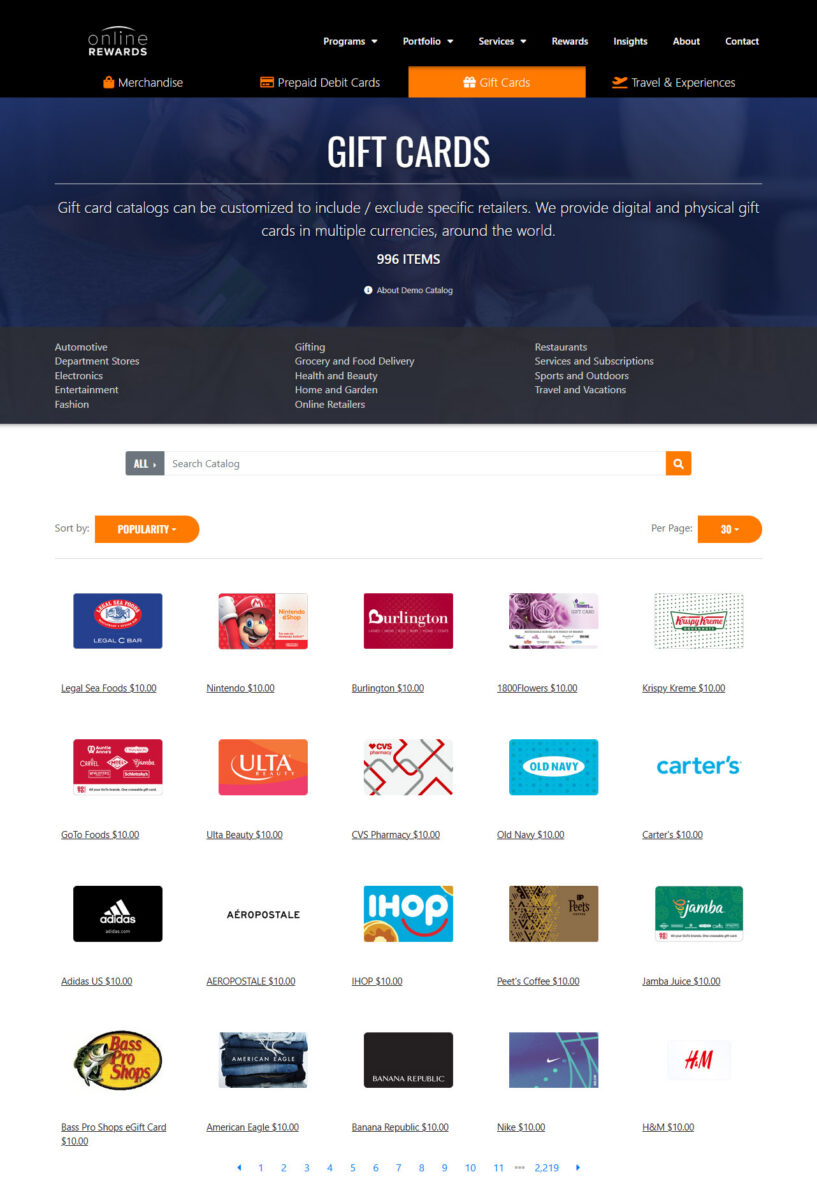
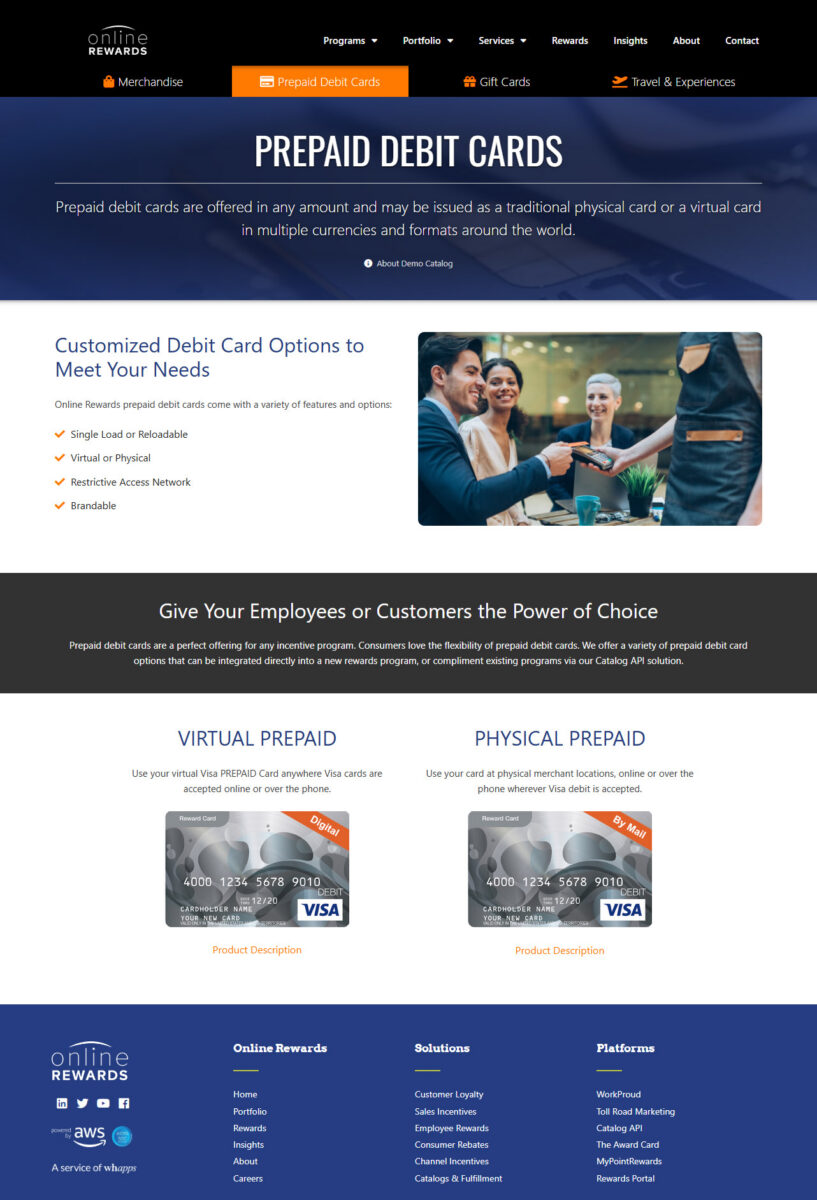
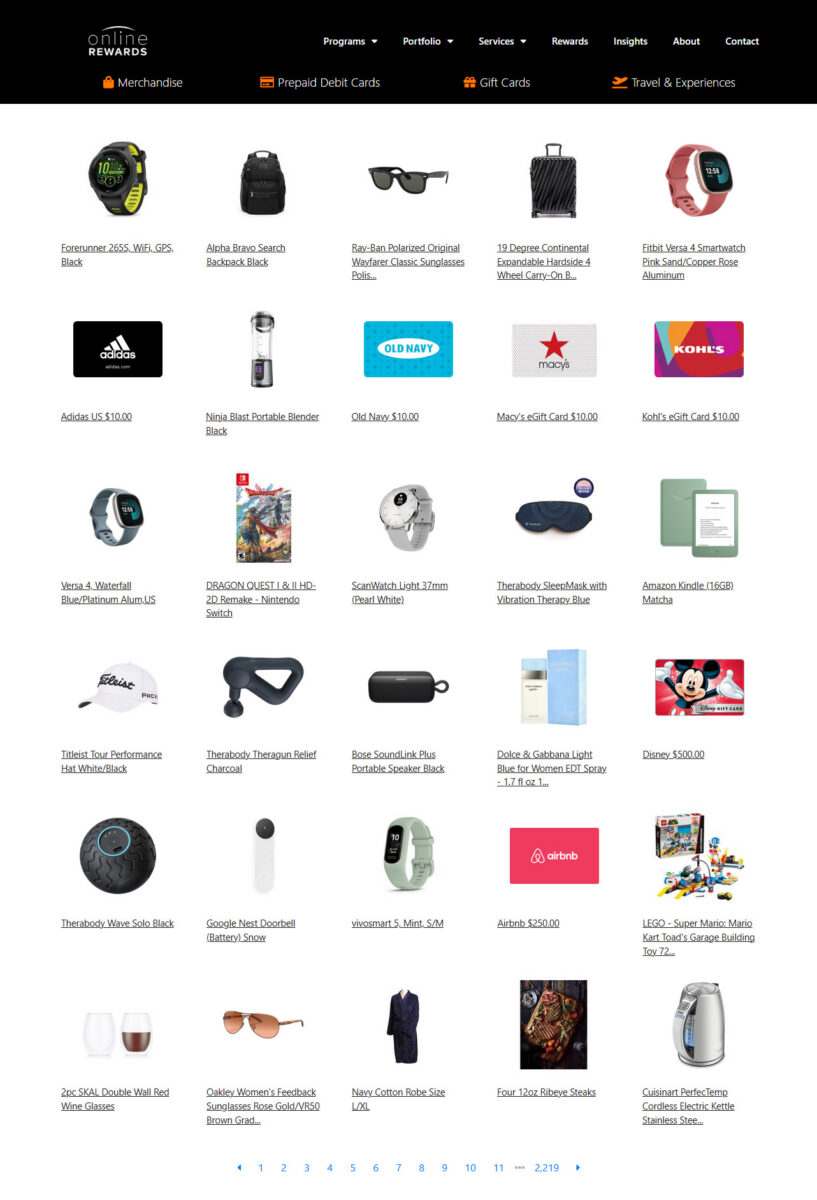
Its current offering spans customer loyalty, sales incentives, employee rewards, consumer rebates, channel incentives and reward fulfillment.
That makes it particularly relevant for organizations with multiple audiences or more complex incentive requirements.
A major advantage of a configurable incentive platform is the ability to build the program around the business objective.
For example, a company may want to reward:
Those programs require different rules.
Online Rewards currently emphasizes modular program architecture, behavior-based logic and workflow automation for this type of use case.
Complex programs often depend on verified business data.
A sales program may need CRM information.
Employee incentives may rely on HR or learning-system data.
Online Rewards positions its enterprise integration framework around connections to HRIS, CRM, payroll and learning systems.
This can reduce manual uploads and allow incentives to respond to actual participant activity.
International incentive programs can create additional challenges around reward availability, currencies and administration.
Online Rewards currently promotes global reward fulfillment across more than 150 countries as part of its enterprise offering.
This can be particularly relevant for multinational organizations trying to operate one wider incentive strategy across several regions.
Online Rewards also distinguishes itself through a more involved service model.
The current page describes support around strategic consulting, custom development and program management alongside the technology itself.
This may suit organizations that do not want to manage the entire program internally.
Online Rewards is particularly relevant for:
For a simple one-off reward campaign, a lighter fulfillment platform may be sufficient.
For organizations trying to influence measurable behavior through a structured program, a broader incentive management platform can provide more flexibility.
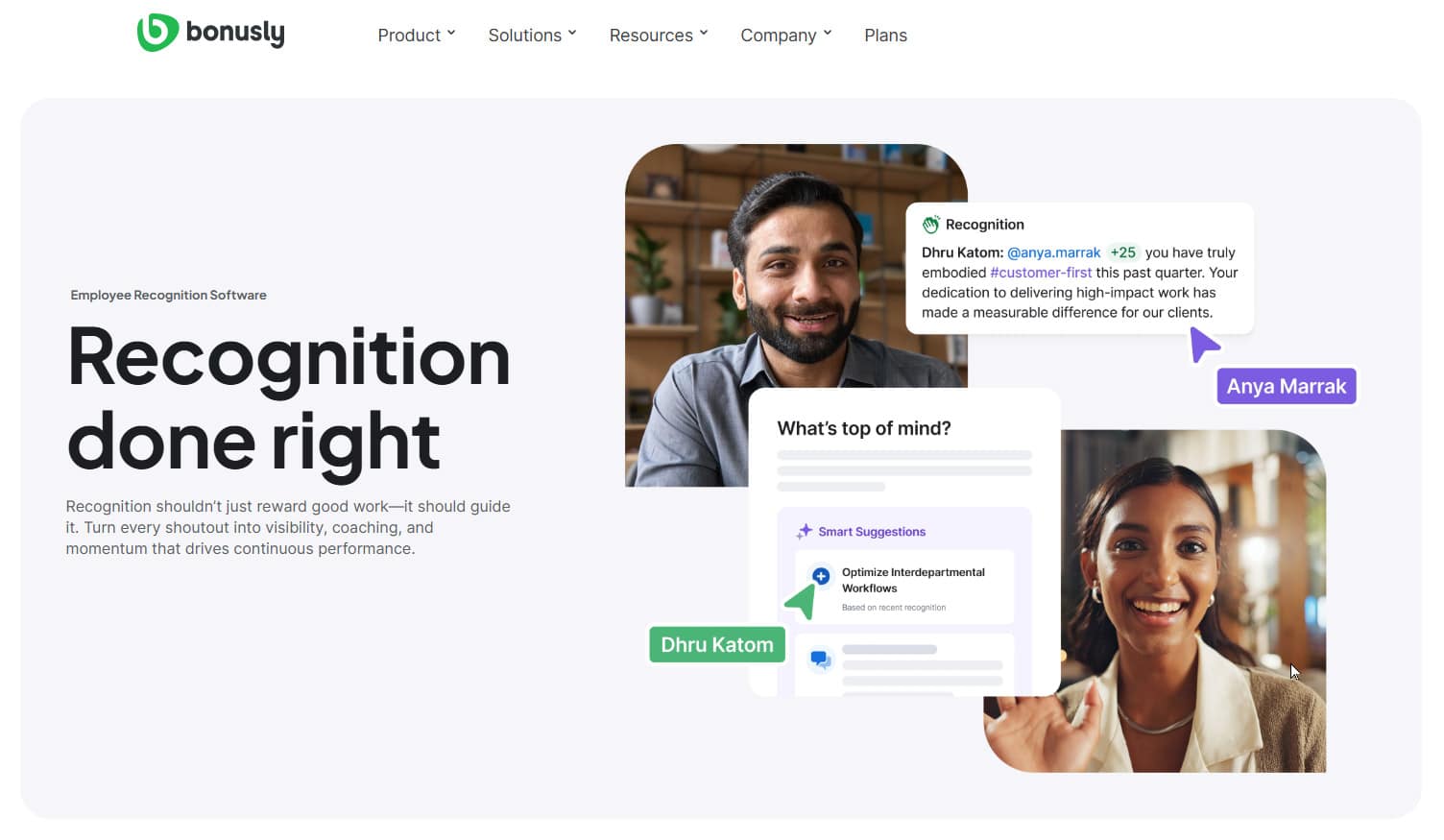
Bonusly is more focused on employee recognition than broad enterprise incentive management.
The existing Online Rewards comparison positions Bonusly around peer-to-peer recognition, milestone automation and employee engagement.
This makes it particularly relevant for HR teams that want recognition to happen regularly across the workforce.
Typical employee recognition use cases can include:
Bonusly may be appropriate when employee recognition is the primary objective.
Organizations wanting a culture-focused recognition platform may not need the complexity of a broader incentive management system.
However, a business that also wants to run sales, customer or channel incentive programs may need a more flexible solution.
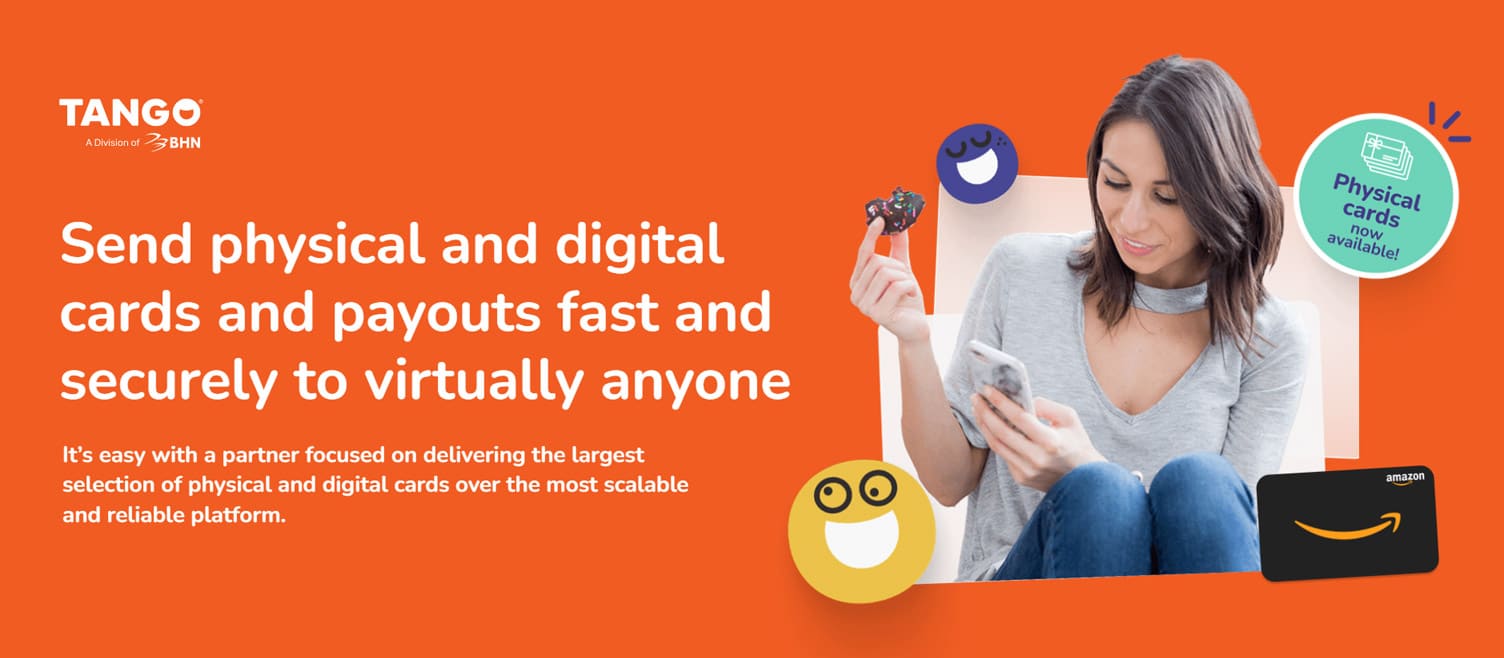
Tango is another alternative for organizations that primarily need digital reward fulfillment.
The existing comparison highlights its gift card catalog, API functionality and ability to automate reward distribution.
This can make it particularly suitable when another business system already manages eligibility.
For example, an internal platform may already know:
Tango can then focus on delivering the reward.
Organizations running complex incentive programs may also need:
In those situations, businesses should compare reward fulfillment platforms with broader incentive management solutions.
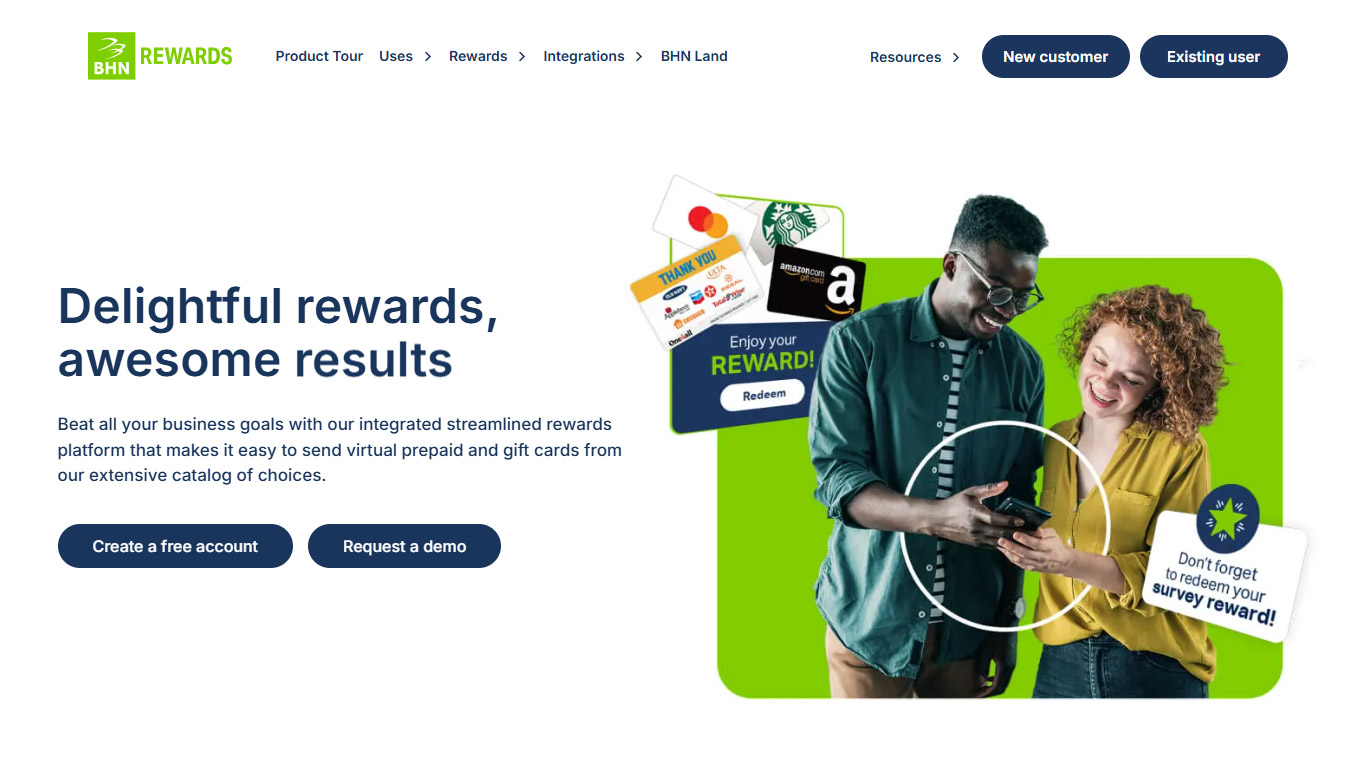
BHN Rewards is another Tremendous alternative for organizations that need to distribute digital rewards across larger programs.
It can support use cases such as:
The platform is most relevant when reward fulfillment is one of the main requirements.
BHN Rewards can work well when another system already manages the rules behind the incentive.
For example, your CRM or internal platform may already determine:
The rewards platform can then focus on delivering the incentive.
For businesses with more complex program requirements, it is worth considering whether additional functionality is needed around participant management, performance rules and communications.

Giftogram focuses on branded gift card experiences for employees, customers and other audiences.
It may be particularly relevant when the presentation of the reward is an important part of the campaign.
Businesses may use branded gifting for:
Giftogram can suit businesses that want a straightforward reward experience with stronger branding.
For example, an organization may want to send a branded reward after an employee anniversary or successful customer referral.
The program does not necessarily need complicated earning rules or performance tracking.
However, larger incentive programs may require additional functionality.
A sophisticated sales or channel program may also need:
In those cases, businesses should compare branded gifting platforms with broader incentive management solutions.

Awardco is primarily focused on employee recognition and rewards.
It can help organizations build structured programs around workplace appreciation and employee engagement.
Potential use cases include:
Awardco can make sense when employee recognition is the main requirement.
An HR team may want to create more frequent opportunities for employees and managers to recognize contributions.
This differs from a one-off digital reward campaign.
The recognition program itself becomes part of the employee experience.
However, organizations running several types of incentive programs should consider the wider technology strategy.
A business may also need:
Using separate platforms for each audience can create more administration and fragmented reporting.
Giftbit is another option for organizations that want to automate digital gift card delivery.
It may support use cases including:
API-driven fulfillment can be useful when another system already controls eligibility.
For example, an organization could automatically issue a reward after a participant:
Giftbit may suit organizations that need straightforward digital reward fulfillment integrated into an existing workflow.
The key consideration is whether the program logic will remain simple.
As an incentive strategy develops, the business may eventually need:
Businesses should consider both their immediate reward requirements and how the program may develop over time.
Businesses comparing Tremendous and Online Rewards should focus on the difference between reward fulfillment and incentive management.
Both may be relevant to organizations using rewards, but the wider requirements can be very different.
Tremendous may be suitable when your organization already knows:
In that scenario, the main problem is fulfillment.
This can work particularly well for straightforward campaigns such as research rewards, survey incentives or individual customer promotions.
Online Rewards becomes more relevant when the platform also needs to manage the wider program.
That could include:
The difference becomes more important as the program grows in complexity.
Start with the outcome you need.
If the requirement is:
Send a digital reward to someone who has already qualified.
A fulfillment-focused platform may be enough.
If the requirement is:
Build a program that rewards specific behaviors and connects them with measurable business results.
A broader incentive management platform may be more appropriate.
Different platforms perform better for different types of incentive programs.
Employee reward programs may recognize:
For straightforward gifting, a digital reward platform may work well.
For a dedicated recognition culture, platforms such as Bonusly or Awardco may be more suitable.
Businesses that want employee incentives alongside sales, customer or channel programs may prefer a broader enterprise solution.
Sales incentives typically require stronger connections between performance data and rewards.
Programs may reward:
For example:
Reach 100% of quarterly target and earn 5,000 points.
Reach 120% and unlock an additional bonus.
This requires the platform to understand more than reward delivery.
Businesses may also need:
For this type of program, a configurable incentive management platform can provide greater value.
Channel programs can involve:
Participants may receive incentives for:
These programs can require more complex participant structures than a simple reward campaign.
Businesses may need registration, performance rules, segmentation, communications and detailed reporting.
A wider incentive management platform may therefore be more suitable.
Customer incentives can range from simple rewards to long-term loyalty programs.
Straightforward use cases may include:
A fulfillment platform can work well when the reward is triggered by one clear action.
More sophisticated customer loyalty programs may require:
The more ongoing the relationship becomes, the more important broader loyalty functionality becomes.
Large organizations often accumulate several reward systems over time.
HR may use one platform.
Sales may use another.
Marketing may have a separate customer reward provider.
Channel teams may operate their own incentive system.
This can create:
There can be good reasons to use specialist tools.
However, organizations managing several incentive audiences should also consider whether some programs can be consolidated.
A broader platform can potentially create more consistent reporting and program governance.
The best choice starts with your program requirements.
Identify the behavior the incentive should influence.
This could include:
Determine who will participate.
The audience could include employees, customers, salespeople, dealers or research participants.
Different audiences need different program experiences.
Ask whether another system already determines who qualifies.
If it does, you may primarily need reward fulfillment.
If the platform needs to manage eligibility, points, tiers and performance, a broader incentive platform may be necessary.
Determine which systems need to connect with the program.
These may include:
Integration can reduce manual work and improve accuracy.
Your first program may be straightforward.
Future requirements could include more countries, participants, integrations or incentive types.
Selecting a platform that can support future growth can reduce the need for another migration later.
The best Tremendous alternative depends on what your organization needs. Tango, BHN Rewards and Giftbit may suit businesses focused on digital reward distribution. Bonusly and Awardco are more focused on employee recognition. Online Rewards may be more suitable for complex enterprise incentive programs.
Tremendous competitors include Online Rewards, Tango, BHN Rewards, Giftogram, Awardco, Bonusly and Giftbit. Each platform focuses on different areas of reward fulfillment, recognition or incentive management.
Consider the platform’s reward selection, integrations, reporting, branding, program flexibility and support. More complex programs may also require custom earning rules, participant segmentation and performance tracking.
The best option depends on the type of employee program. Bonusly and Awardco are focused on recognition, while Online Rewards may be suitable for more customized employee incentive programs or businesses managing several incentive audiences.
Sales incentive programs often require CRM integration, performance tracking and configurable earning rules. Businesses with these requirements should consider a broader incentive management platform such as Online Rewards rather than relying only on reward fulfillment.
Yes. Several reward and incentive platforms support international programs. Organizations should compare local reward availability, currencies, participant experience, reporting and administration alongside geographic coverage.

Tremendous can be a strong option when an organization needs efficient digital reward distribution.
However, businesses searching for Tremendous alternatives may need more than another fulfillment tool.
The key question is whether you need to send rewards or manage the entire incentive program around them.
Online Rewards supports customized employee, sales, customer and channel incentive programs.
Its approach combines program rules, integrations, communications, reward fulfillment, reporting and ongoing support.
This can make it particularly relevant for organizations that want incentives to influence measurable behaviors and business outcomes.
If your organization is comparing Tremendous alternatives for a more sophisticated rewards or incentive strategy, explore Online Rewards and speak with the team about building a program around your objectives.