
Employee incentive programs are structured systems that encourage specific behaviors, achievements, or outcomes by rewarding employees with recognition, rewards, bonuses, points, or other incentives.
Organizations use employee incentive programs to improve engagement, motivate performance, reinforce company values, and support business objectives.
While compensation remains important, employee incentive programs provide additional motivation by creating clear connections between actions and rewards.
When designed effectively, they help employees feel valued while encouraging behaviors that contribute to organizational success.
Employee incentive programs help align employee behavior with business goals.
Organizations often use incentives to encourage outcomes that are difficult to achieve through salary alone.
Incentives also provide recognition for contributions that might otherwise go unnoticed.
When employees feel their efforts are acknowledged and rewarded, they are often more motivated to continue contributing at a high level.
For many organizations, incentive programs are an important part of a broader employee engagement strategy.
Most employee incentive programs follow a similar process.
The organization identifies the specific behavior or outcome it wants to encourage.
Examples may include:
The clearer the objective, the easier it becomes to design an effective incentive structure.
The organization monitors participation or performance related to the desired behavior.
This may be done through:
Many modern programs automate this process through integrations and reporting systems.
When employees complete the desired action, they receive recognition or rewards.
This may include:
The reward reinforces the behavior and increases the likelihood that it will be repeated.
Organizations track participation and outcomes to determine whether the program is achieving its objectives.
This helps improve the program over time and maximize return on investment.

Employee incentive programs can take many different forms depending on the organization’s goals.
Performance incentives reward employees for achieving specific business outcomes.
Examples include:
These programs directly connect rewards to measurable performance metrics.
Recognition programs reward employees for positive contributions and behaviors.
Examples include:
Recognition programs help strengthen workplace culture while reinforcing desired behaviors.
Many organizations use incentives to encourage continuous learning.
Examples include:
These programs support employee growth while helping organizations build stronger capabilities.
Wellness initiatives reward employees for participating in activities that support physical and mental well-being.
Examples include:
These programs can contribute to improved engagement and employee satisfaction.
Referral programs reward employees for helping recruit new talent.
Examples may include:
These programs can help organizations reduce recruitment costs while attracting high-quality candidates.
Employee incentive programs can use many different types of rewards.
The most effective rewards often vary depending on the workforce and organizational culture.
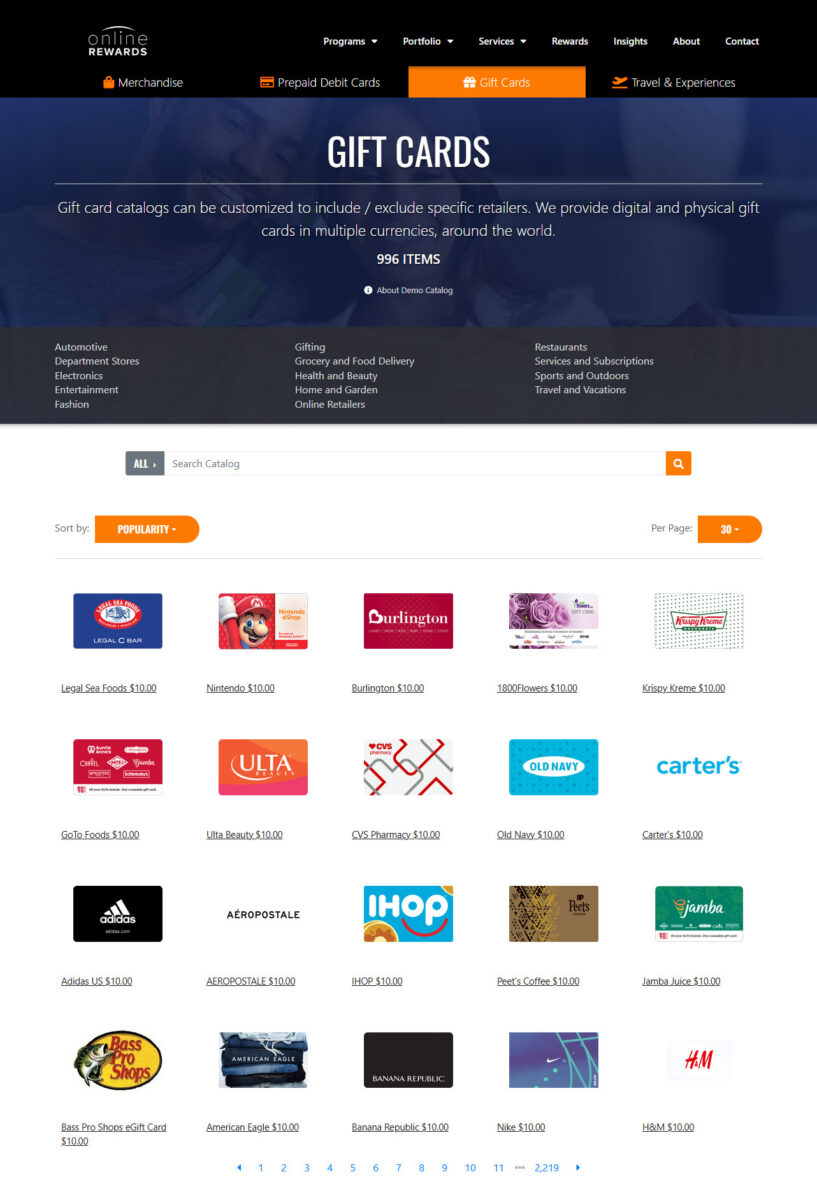
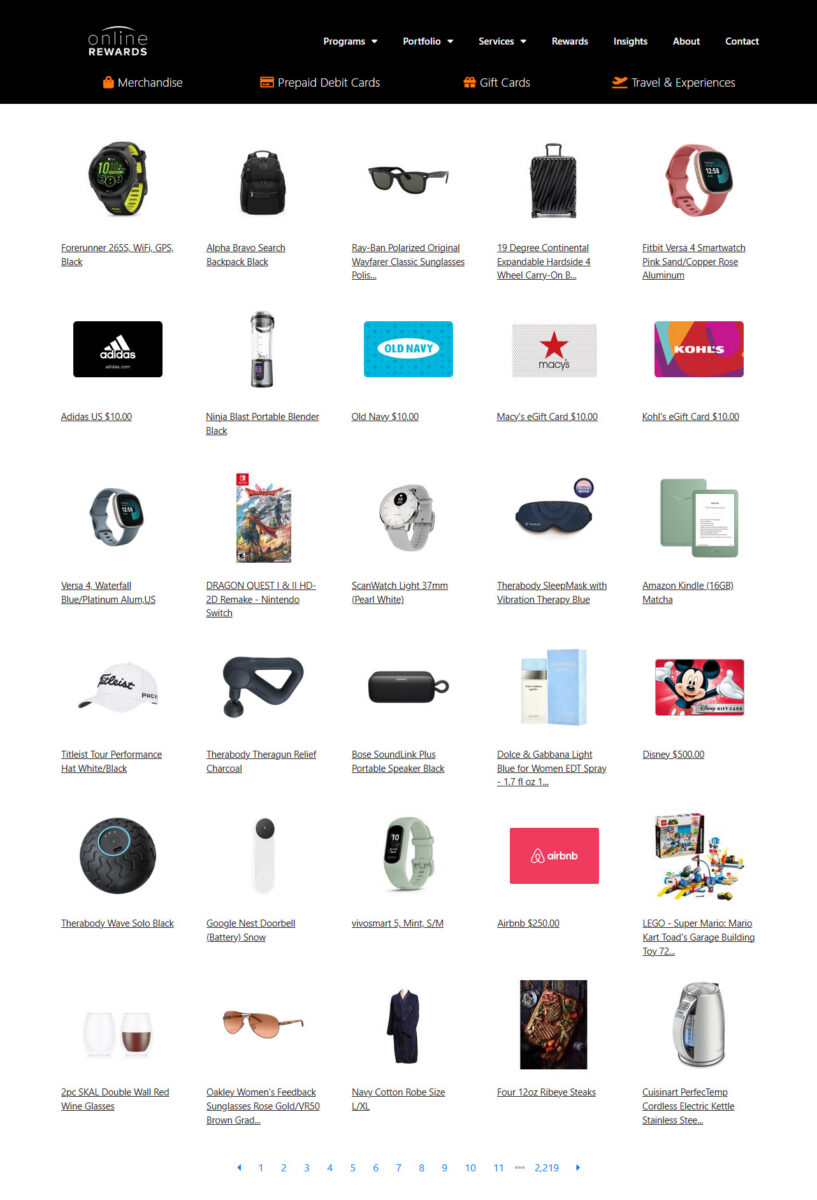
Many modern programs provide employees with a reward choice rather than assigning the same reward to everyone.
This helps increase perceived value and overall engagement.
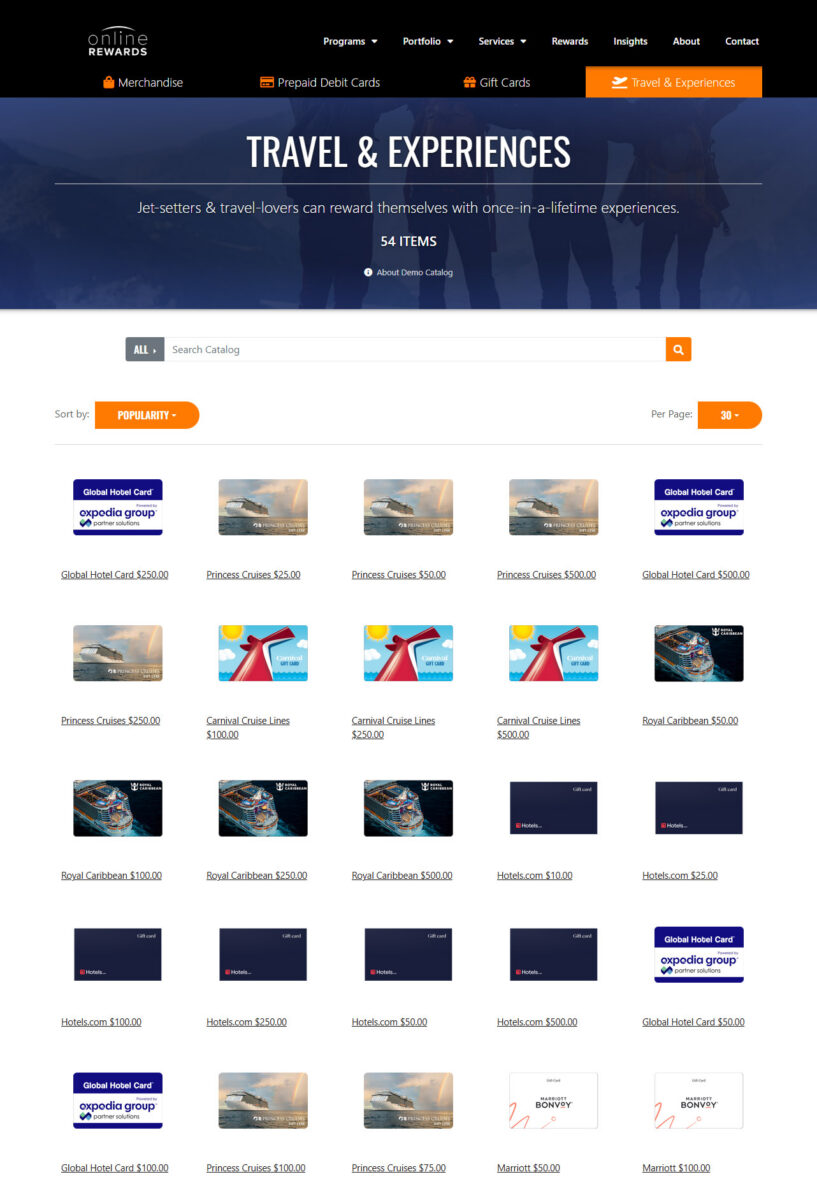
Platforms such as Online Rewards help organizations provide access to global rewards catalogs that support diverse employee preferences across multiple regions.
Employee incentive programs play a critical role in creating engagement and motivation within the workplace.
While salary provides the foundation for compensation, incentives help reinforce specific behaviors and create stronger connections between employee actions and organizational goals.
Incentives also create opportunities for employees to feel recognized and valued beyond their regular compensation.
This can have a significant impact on morale and long-term retention.
For organizations competing for talent, employee incentives are increasingly viewed as part of the overall employee experience rather than simply an additional reward mechanism.

Not all incentive programs generate meaningful results.
The most successful programs share several common characteristics.
Employees should understand:
Clear communication helps eliminate confusion and improves participation.
Rewards should be meaningful to employees.
What motivates one employee may not motivate another.
Providing choice often improves engagement because employees can select rewards that align with their personal preferences.
Rewards are most effective when they are delivered close to the desired behavior.
Immediate recognition strengthens the connection between action and reward.
Long delays often reduce the motivational impact of incentives.
Complex programs often struggle with participation.
Employees should be able to understand the program quickly and easily.
Simple structures typically generate stronger engagement than programs with extensive rules and exceptions.
Organizations should regularly evaluate:
This allows continuous improvement and helps ensure the program remains aligned with organizational goals.
Although incentive programs can be highly effective, organizations often encounter challenges during implementation.
If employees do not understand the program or perceive rewards as valuable, participation may remain low.
Programs are more successful when managers actively support and promote participation.
Without leadership involvement, engagement often declines.
Rewards that do not align with employee preferences can reduce motivation and redemption rates.
Manual incentive management often creates:
As organizations grow, these challenges become increasingly difficult to manage without automation.
Without centralized reporting, organizations may struggle to understand:
Visibility is essential for long-term program success.
Modern employee incentive programs increasingly rely on technology to improve scalability and efficiency.
Technology helps reduce administrative burden while improving consistency.
This allows incentives to become part of existing employee workflows rather than separate administrative processes.
Platforms such as Online Rewards help organizations manage employee incentive programs through centralized rewards infrastructure, automation, fulfillment, and reporting.

As organizations become more geographically distributed, employee incentives must support a broader range of employee preferences and locations.
Programs that work effectively in one country may not perform equally well in another.
This allows organizations to create consistent employee experiences while maintaining local relevance.
An employee incentive program is a structured system that rewards employees for specific behaviors, achievements, performance outcomes, or participation through incentives such as rewards, recognition, bonuses, or points.
Organizations use incentive programs to improve engagement, motivate performance, strengthen culture, support retention, and encourage behaviors that align with business objectives.
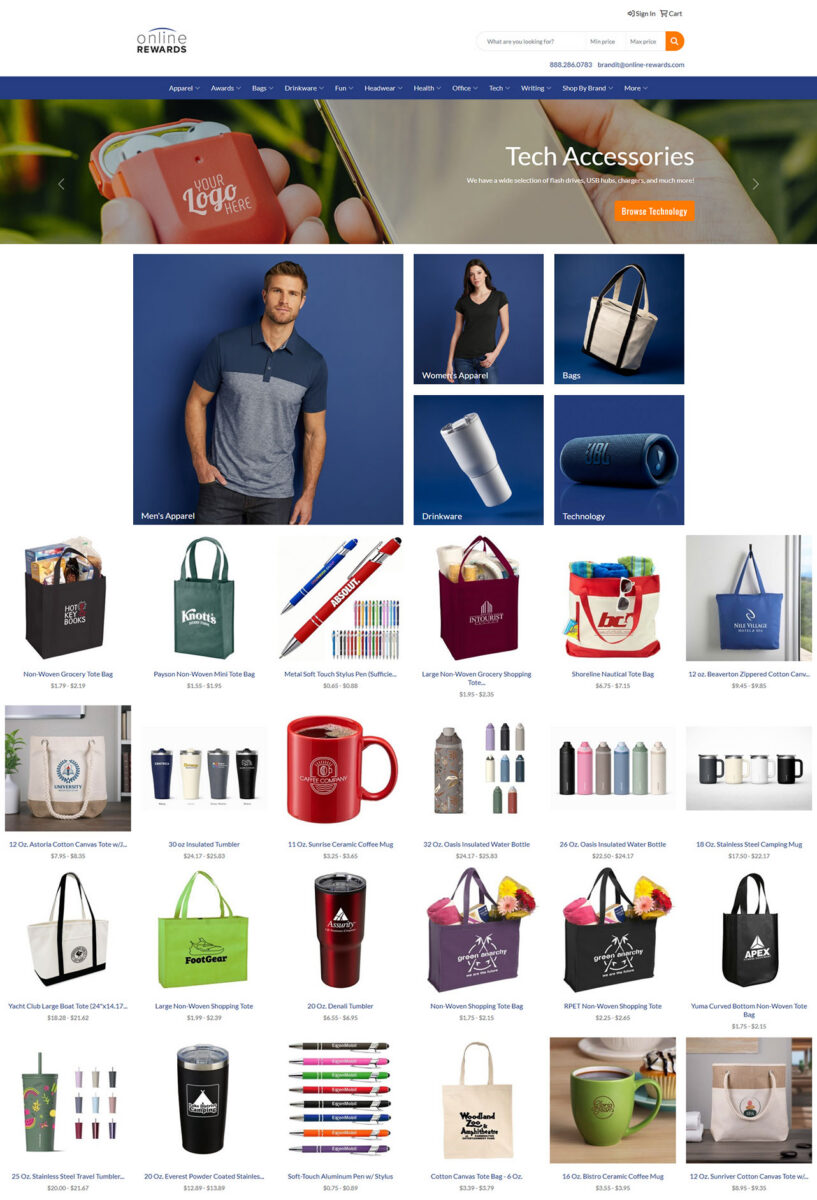
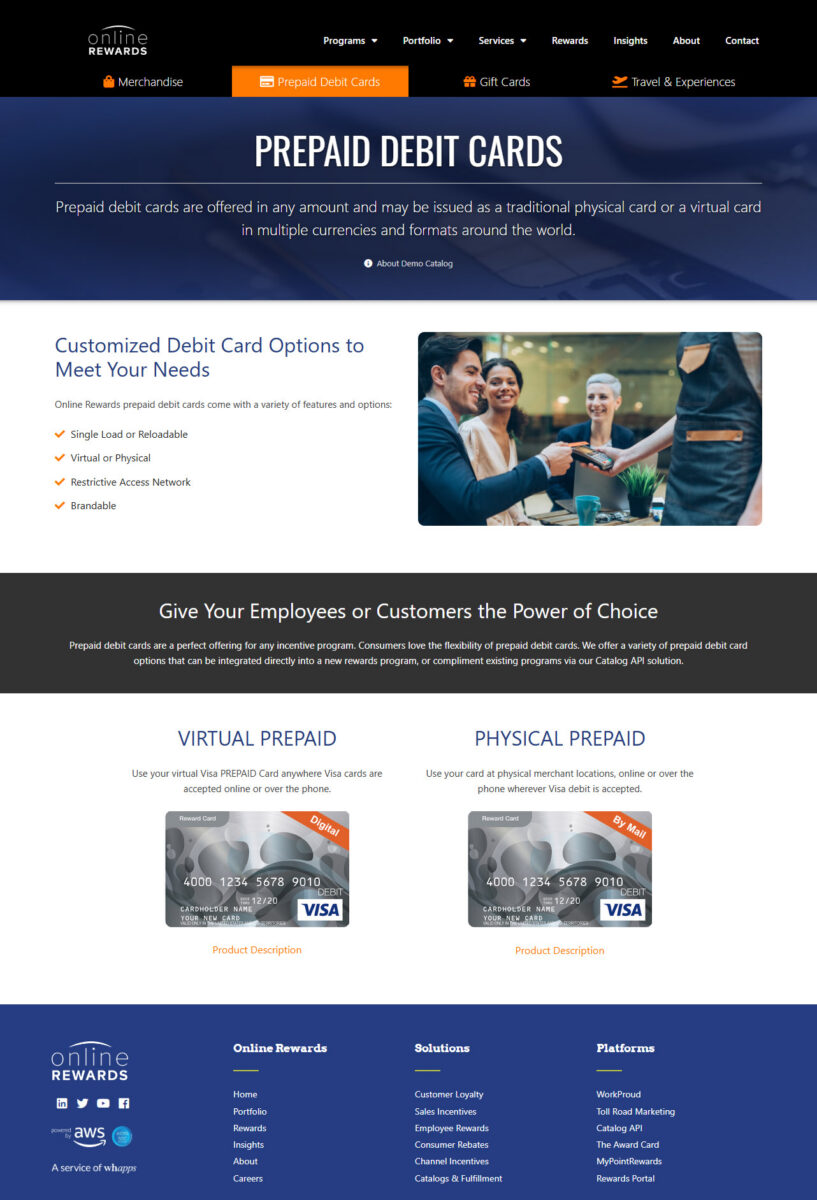
Common rewards include gift cards, bonuses, prepaid cards, merchandise, travel rewards, experiences, recognition awards, and professional development opportunities.
Employee recognition focuses on acknowledging contributions and achievements, while employee incentives use rewards and structured programs to encourage specific behaviors and outcomes.
Success is typically measured through participation rates, engagement levels, retention, performance improvements, reward redemption, and broader business outcomes.
Employee incentive programs are designed to encourage behaviors and outcomes that contribute to organizational success.
Whether the goal is improving engagement, increasing performance, supporting retention, or reinforcing company values, incentives provide a structured way to motivate employees and recognize contributions.
As organizations grow, technology becomes increasingly important for managing incentives efficiently and consistently.
Platforms such as Online Rewards help organizations deliver scalable employee incentive programs through centralized rewards catalogs, automation, reporting, and global fulfillment capabilities.
When designed correctly, employee incentive programs become more than reward systems. They become strategic tools that help organizations strengthen culture, improve engagement, and drive long-term business performance.