
Businesses are under constant pressure to drive engagement, improve performance, and influence behavior across employees, customers, and partners. Incentives have long been used to achieve this, but managing them effectively has become more complex as organizations scale.
An incentive platform provides a structured way to design, manage, and deliver reward-based programs from a single system. Instead of relying on manual processes or multiple vendors, businesses can use a platform to automate incentives, track performance, and ensure consistency across different audiences.
From employee recognition and sales incentives to customer loyalty and partner programs, incentive platforms play a central role in modern engagement strategies. Understanding how they work and what they offer is key to building programs that deliver measurable results.
An incentive platform is software that enables businesses to design, manage, and deliver programs that reward specific behaviors or outcomes. These platforms provide the infrastructure needed to run incentives at scale, whether the goal is to increase employee performance, drive customer engagement, or motivate partners.
At its core, an incentive platform connects three key elements. The first is behavior, which could include actions such as making a purchase, hitting a sales target, completing training, or referring a new customer. The second is the rules or logic that define when and how rewards are triggered. The third is the reward itself, which can range from digital gift cards and prepaid cards to merchandise, travel, or other experiences.
Rather than managing these elements manually or across multiple tools, an incentive platform centralizes everything in one place. This allows businesses to create structured programs, automate reward delivery, and monitor performance in real time.
Modern incentive platforms go beyond simple reward distribution. They are designed to support multiple audiences within the same system, including employees, customers, and channel partners. They also provide access to global reward catalogs, enabling businesses to deliver incentives across different countries and regions without needing separate suppliers.
In addition, many platforms offer integration capabilities, allowing incentives to be embedded into existing systems such as CRM platforms, HR tools, or customer-facing applications. This means rewards can be triggered automatically based on real user activity rather than being managed as standalone campaigns.
In simple terms, an incentive platform is the system that powers how businesses use rewards to influence behavior in a consistent, scalable, and measurable way.
Businesses use incentive platforms to drive specific outcomes that are difficult to achieve through communication or policy alone. Incentives provide a direct way to influence behavior by linking actions to tangible rewards, making them a powerful tool for improving engagement and performance.
One of the primary reasons companies adopt incentive platforms is to increase motivation. Whether it is a sales team working toward targets, employees contributing to internal initiatives, or customers engaging with a brand, incentives create a clear connection between effort and reward. This helps encourage consistent participation and stronger results over time.
Another key driver is the need for scalability. As organizations grow, managing incentive programs manually becomes inefficient and difficult to control. An incentive platform allows businesses to run multiple programs across different teams, regions, and audiences without increasing administrative workload. Automation ensures that rewards are delivered accurately and on time, regardless of program size.
Consistency is also a major factor. Without a centralized system, different teams often run their own incentive initiatives with varying rules, reward types, and user experiences. This can lead to confusion and reduced effectiveness. A platform ensures that programs are structured in a consistent way, while still allowing flexibility for different use cases.
In addition, businesses use incentive platforms to gain better visibility into performance. Rather than relying on fragmented data or manual tracking, platforms provide real-time insights into participation, engagement, and outcomes. This makes it easier to measure success, identify areas for improvement, and demonstrate return on investment.
Global reach is another important consideration. Many organizations operate across multiple countries, which introduces complexity around reward delivery, currencies, and local preferences. Incentive platforms simplify this by providing access to global reward catalogs and handling fulfillment across different regions.
Finally, incentive platforms help reduce operational complexity. By consolidating reward sourcing, program management, and fulfillment into a single system, businesses can eliminate the need for multiple vendors and manual processes. This not only improves efficiency but also reduces costs and improves the overall experience for users.
Overall, incentive platforms enable businesses to run more effective, scalable, and measurable programs that directly support their strategic goals.

Incentive platforms work by linking specific user actions to predefined rewards through a set of rules and automated processes. This allows businesses to influence behavior in a structured and measurable way without relying on manual intervention.
The process typically starts with defining the objective of the program. This could be increasing sales performance, improving employee engagement, driving customer retention, or encouraging partner activity. Once the goal is clear, the business sets the behaviors that will trigger rewards. These behaviors might include completing a task, reaching a target, making a purchase, or engaging with a product or service.
The next step is configuring the program logic. This involves setting the rules that determine when a reward is earned, what type of reward is given, and how it is delivered. For example, a sales incentive program might reward employees with points when they hit specific revenue milestones, while a customer loyalty program might award points for repeat purchases.
Once the program is live, the platform tracks user activity. This can happen through direct input, integrations with other systems such as CRM or HR platforms, or through embedded tracking within digital products. As users complete the defined actions, the platform automatically applies the program rules and triggers the appropriate rewards.
Reward delivery is handled through the platform’s fulfillment system. This can include digital rewards such as gift cards or prepaid cards, as well as physical rewards like merchandise or experiences. In many cases, users can choose their own rewards from a catalog, which improves engagement and satisfaction.
Throughout the process, the platform collects data on participation, engagement, and redemptions. This allows businesses to monitor how the program is performing, identify trends, and make adjustments where needed. Programs can be refined over time by changing rules, updating rewards, or targeting different behaviors.
By automating these steps, incentive platforms remove the need for manual management and ensure that programs run consistently at scale. This makes it possible to manage multiple initiatives across different audiences and regions while maintaining control and visibility.
An effective incentive platform is built around a set of core features that enable businesses to design, deliver, and manage programs at scale. These features go beyond simple reward distribution and provide the infrastructure needed to run consistent, high-performing incentive strategies.
One of the most important features is program creation and management. This allows businesses to define goals, set rules, and structure incentives around specific behaviors. Teams can create multiple programs for different audiences, each with its own logic, timelines, and reward structures, all within a single system.
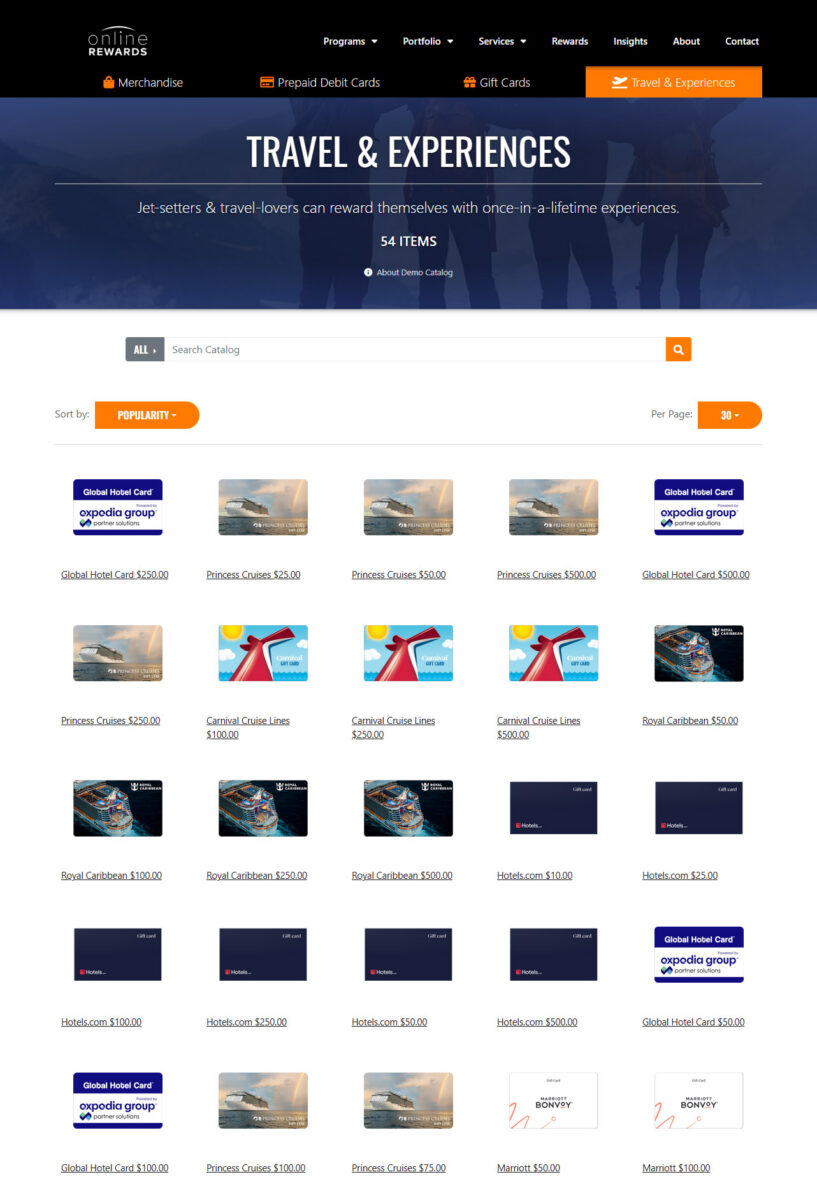
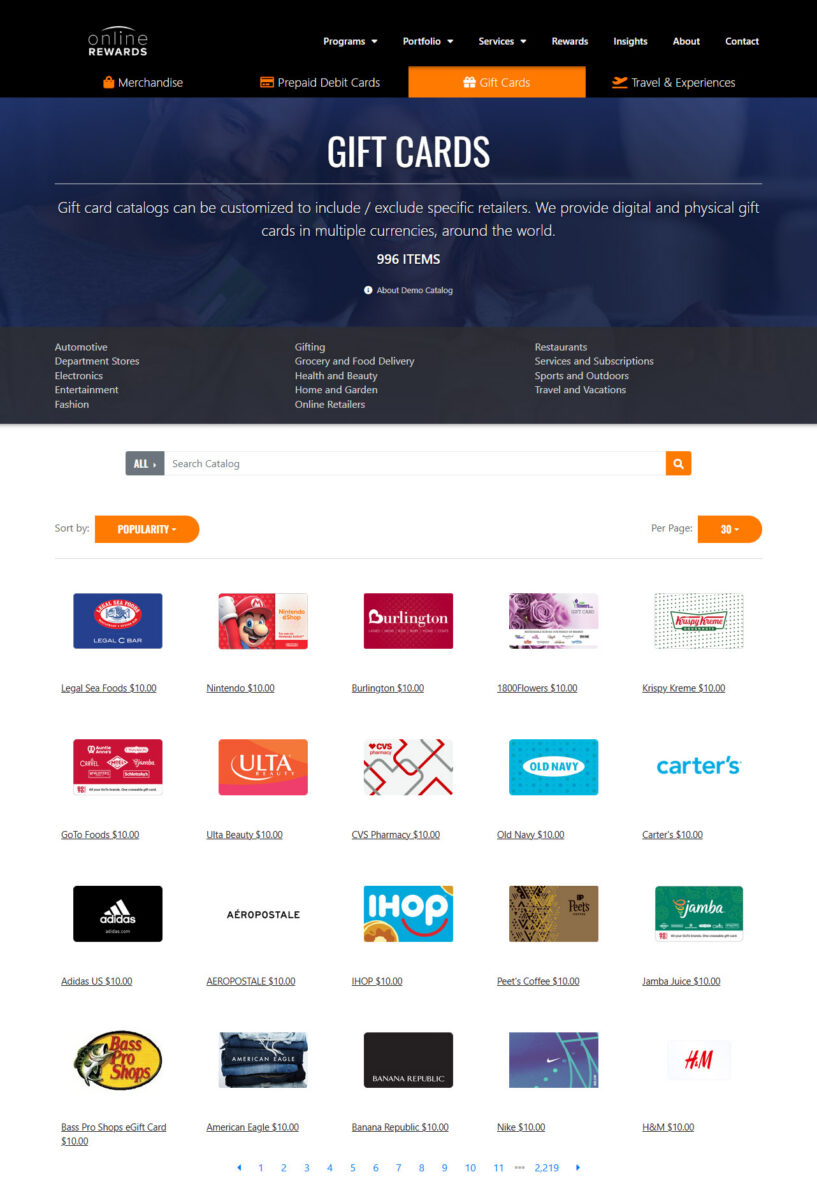
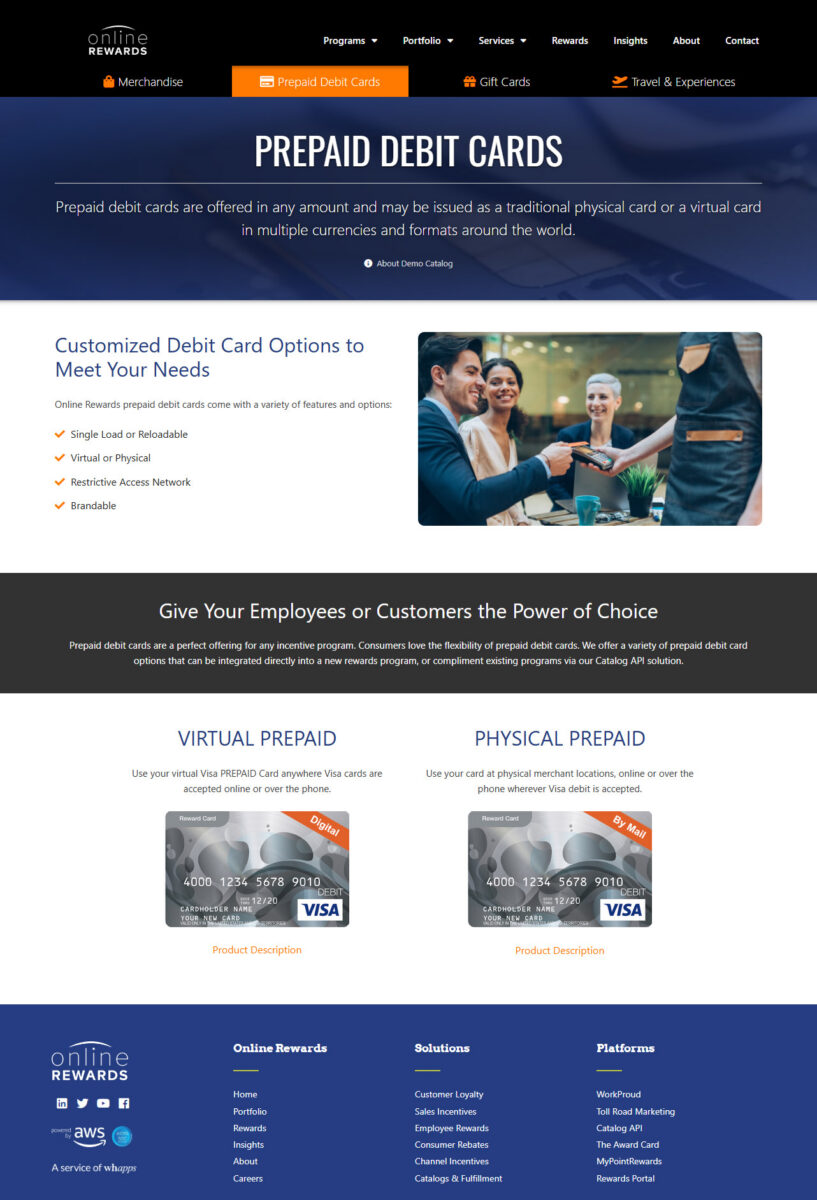
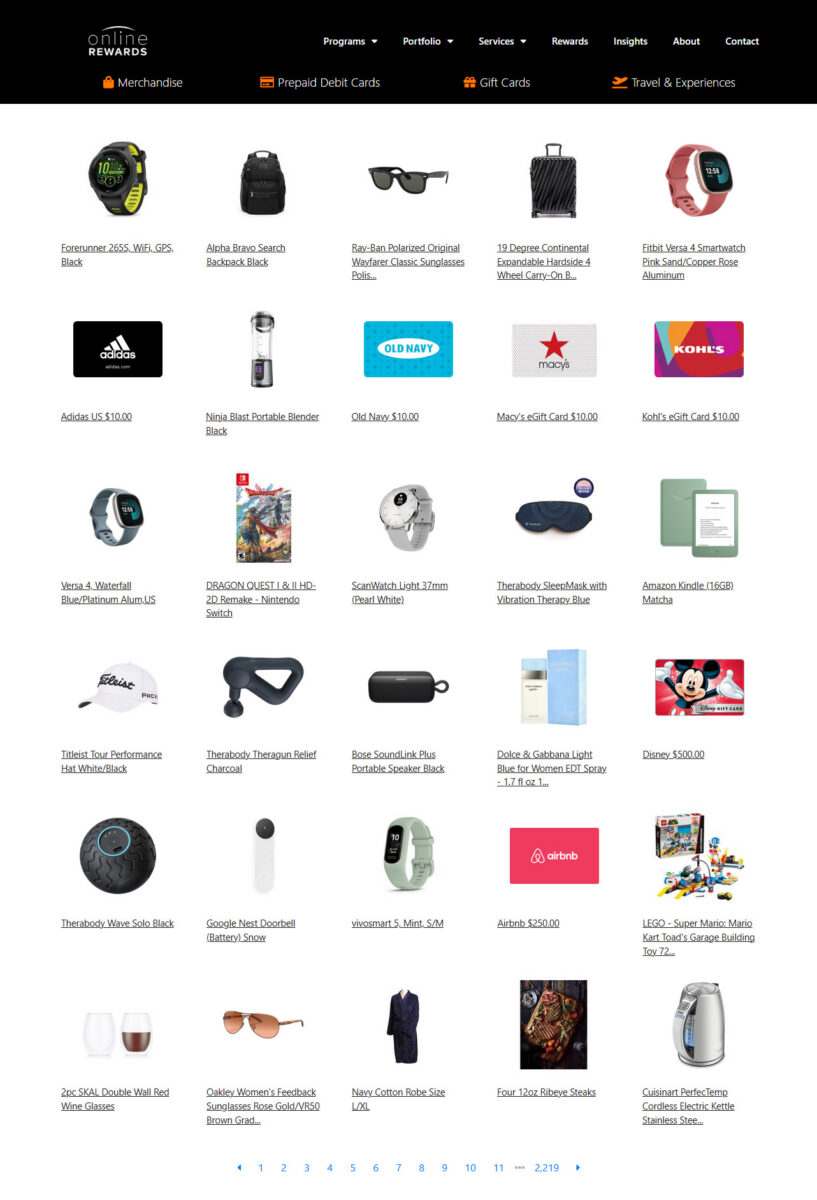
Reward management is another key capability. A strong platform provides access to a wide range of rewards, including digital gift cards, prepaid cards, merchandise, and experiences. Many platforms also offer global reward catalogs, enabling businesses to deliver incentives across multiple countries while maintaining relevance for local audiences.
Automation plays a central role in how these platforms operate. Once program rules are set, the platform can automatically track activity, apply conditions, and trigger rewards without manual input. This reduces administrative workload and ensures that incentives are delivered accurately and consistently.
Tracking and reporting features provide visibility into program performance. Businesses can monitor participation rates, engagement levels, reward redemption, and overall success. This data is essential for understanding what is working, identifying areas for improvement, and demonstrating return on investment.
Integration capabilities are also critical, particularly for larger organizations. Incentive platforms often connect with systems such as CRM platforms, HR tools, marketing automation software, or internal databases. This allows incentives to be triggered based on real-time data and user behavior rather than manual updates.
User experience is another important consideration. Platforms typically include user dashboards or interfaces where participants can view their progress, track rewards, and redeem incentives. A clear and engaging experience helps increase participation and overall program effectiveness.
Finally, scalability and flexibility are essential features for enterprise use. A platform must be able to support multiple programs, audiences, and regions without becoming complex to manage. This includes handling large volumes of users, supporting global operations, and allowing programs to evolve over time.
Together, these features enable businesses to move from simple, manual incentive programs to structured, scalable systems that can deliver consistent and measurable results.

One of the key advantages of an incentive platform is the ability to support a wide range of program types within a single system. Rather than being limited to one use case, businesses can design and run multiple programs tailored to different audiences, goals, and behaviors.
These programs can vary in structure, duration, and complexity, depending on what the business is trying to achieve. Some are ongoing and designed to build long-term engagement, while others are short-term campaigns focused on driving specific actions within a defined period.
Incentive platforms make it possible to manage all of these variations in a consistent way. Businesses can apply different rules, reward types, and targeting strategies while still maintaining centralized control and visibility.
Common types of incentive programs include performance-based programs that reward users for achieving measurable targets, engagement programs designed to encourage participation or usage, behavior-based programs that focus on specific actions, loyalty programs that reward repeat activity, and promotional campaigns that drive short-term spikes in activity.
Each type of program can be customized to suit different audiences and objectives. By using a single platform to manage these programs, businesses can ensure consistency in how incentives are delivered while still adapting to the needs of each audience.
Employee incentive programs are designed to improve engagement, motivation, and performance within an organization. By linking rewards to specific behaviors or achievements, businesses can encourage employees to focus on the activities that drive results.
These programs are often used to support a range of objectives such as sales performance, service anniversaries, productivity improvements, and cultural alignment. Performance-based rewards and recognition programs are the most common approaches.
An incentive platform makes it easier to manage these programs at scale by automating reward delivery, ensuring consistency, and providing visibility into performance. Employees can track progress and choose rewards that are meaningful to them.
By centralizing employee programs, organizations can improve engagement, reduce administrative effort, and create a more structured approach to motivation.
Customer incentive programs are designed to increase engagement, retention, and long-term value. They are used to influence key behaviors such as purchases, referrals, and ongoing interaction with a brand.
Common approaches include loyalty programs, promotional campaigns, and referral incentives. These programs can also be personalized based on customer behavior to improve relevance and effectiveness.
An incentive platform enables automated tracking, consistent reward delivery, and access to a wide range of rewards. This allows businesses to optimize programs over time and build stronger customer relationships.
Channel and partner incentive programs are used to motivate distributors, resellers, and partners to drive revenue and engagement. These programs align partner behavior with business objectives through structured rewards.
Use cases include sales performance incentives, engagement programs, and deal registration initiatives. Managing these programs manually can be complex, especially across multiple regions.
An incentive platform provides a centralized system to track performance, apply rules, and deliver rewards consistently. This improves transparency, engagement, and overall partner performance.

Enterprise incentive platforms are designed to handle greater complexity, scale, and flexibility. They support multiple audiences, global operations, and integration with existing systems.
Key differentiators include scalability, global reward delivery, integration capabilities, customization, and advanced reporting. These platforms are built to support large organizations with complex incentive strategies.
Some platforms struggle with scalability, flexibility, or global coverage. Others may lack integration capabilities, strong user experience, or detailed reporting.
These limitations can lead to inefficiencies, reduced engagement, and increased operational complexity. Choosing the right platform is essential to avoid these issues.
Businesses should evaluate platforms based on their goals, flexibility, global capability, integration options, reward offering, ease of use, reporting, and scalability.
A strong platform should support both current needs and future growth while aligning with business objectives.
Incentive platforms simplify global programs by providing access to international rewards, managing currencies, and handling fulfillment.
They ensure consistency across regions while allowing for local relevance. This enables businesses to scale programs internationally without added complexity.
Integration allows incentive platforms to connect with CRM, HR, marketing, and product systems. This enables automated reward triggers based on real-time data.
APIs provide additional flexibility, allowing incentives to be embedded directly into products or workflows.
Success is measured through participation, engagement, reward redemption, performance outcomes, and ROI.
Platforms provide reporting and analytics tools that help businesses optimize programs and demonstrate value.
An incentive platform is software that allows businesses to design, manage, and deliver reward-based programs.
It tracks user actions, applies rules, and delivers rewards automatically.
Gift cards, prepaid cards, merchandise, and experiences.
Yes, many platforms support multiple countries, languages, and currencies.
By analyzing engagement, performance, and revenue impact compared to costs.
Incentive platforms play a central role in how modern businesses drive engagement, performance, and behavior across employees, customers, and partners. As organizations grow, managing incentives through manual processes or disconnected systems becomes increasingly difficult and inefficient.
A structured platform provides the foundation needed to design, deliver, and optimize programs at scale. By centralizing program management, automating reward delivery, and providing clear visibility into performance, businesses can run more effective and consistent incentive strategies.
The value of an incentive platform goes beyond simply distributing rewards. It enables organizations to align incentives with business objectives, support multiple audiences within one system, and expand programs across regions without adding complexity.
For businesses looking to improve engagement, increase performance, and measure the impact of their efforts, an incentive platform offers a scalable and data-driven solution.