
An incentive platform is software that helps businesses manage rewards, engagement, and behavior-based programs across employees, customers, and partners. It connects specific actions to incentives, allowing organizations to encourage desired behaviors in a structured, scalable, and measurable way.
An incentive platform is a centralized system used to design, manage, and deliver reward-based programs. These programs are built around influencing behavior. That could mean motivating employees to hit targets, encouraging customers to take action, or driving partners to generate more revenue.
At a high level, an incentive platform allows a business to define actions that matter, assign value to those actions, and deliver rewards when those actions are completed. Instead of managing incentives manually or across multiple tools, everything is handled in one place.
This makes it easier to run consistent programs across different teams and regions. It also ensures that incentives are delivered accurately and on time, which is critical for maintaining engagement.
An incentive platform works by linking behavior to rewards through a set of defined rules and automated processes.
First, the business defines the goal. This could be increasing sales, improving customer retention, or driving employee engagement.
Next, specific actions are identified. These are the behaviors that contribute to the goal, such as closing a deal, making a purchase, completing training, or referring a new customer.
The platform then applies rules. These rules determine when a reward is earned and what that reward will be. For example, a sales rep might receive points for each deal closed, or a customer might earn a reward after making a purchase.
Once a user completes the required action, the platform tracks that activity and triggers the reward automatically. This removes the need for manual processing and ensures consistency.
Finally, the reward is delivered. This could be instant in the case of digital rewards, or managed through fulfillment systems for physical items.
Throughout this process, the platform collects data on participation, engagement, and outcomes, allowing businesses to measure performance and refine their programs over time.
Incentive platforms are used across a range of business functions, each focused on influencing different types of behavior.
For employees, they are used to drive performance and engagement. This includes sales incentives, recognition programs, and rewards for achieving specific goals or milestones.
For customers, incentive platforms support loyalty and engagement programs. Businesses can reward actions such as purchases, referrals, or ongoing usage, encouraging repeat behavior and increasing lifetime value.
For partners, they are used to motivate external stakeholders such as distributors, resellers, or affiliates. Incentives can be tied to sales performance, training completion, or participation in campaigns.
Because these use cases are often managed separately in traditional setups, an incentive platform brings them together into one system. This allows businesses to run multiple programs while maintaining consistency and control.
Incentive platforms support a wide range of rewards, allowing businesses to tailor incentives to different audiences and objectives.
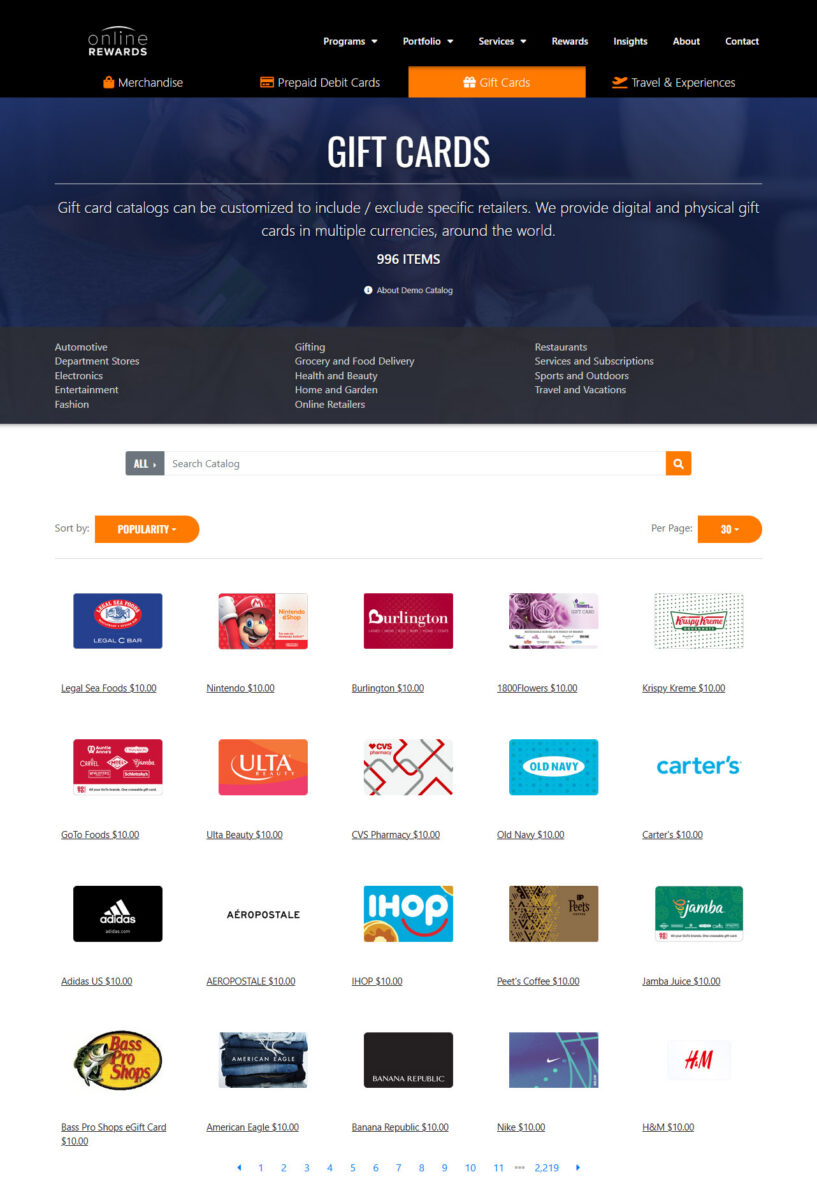
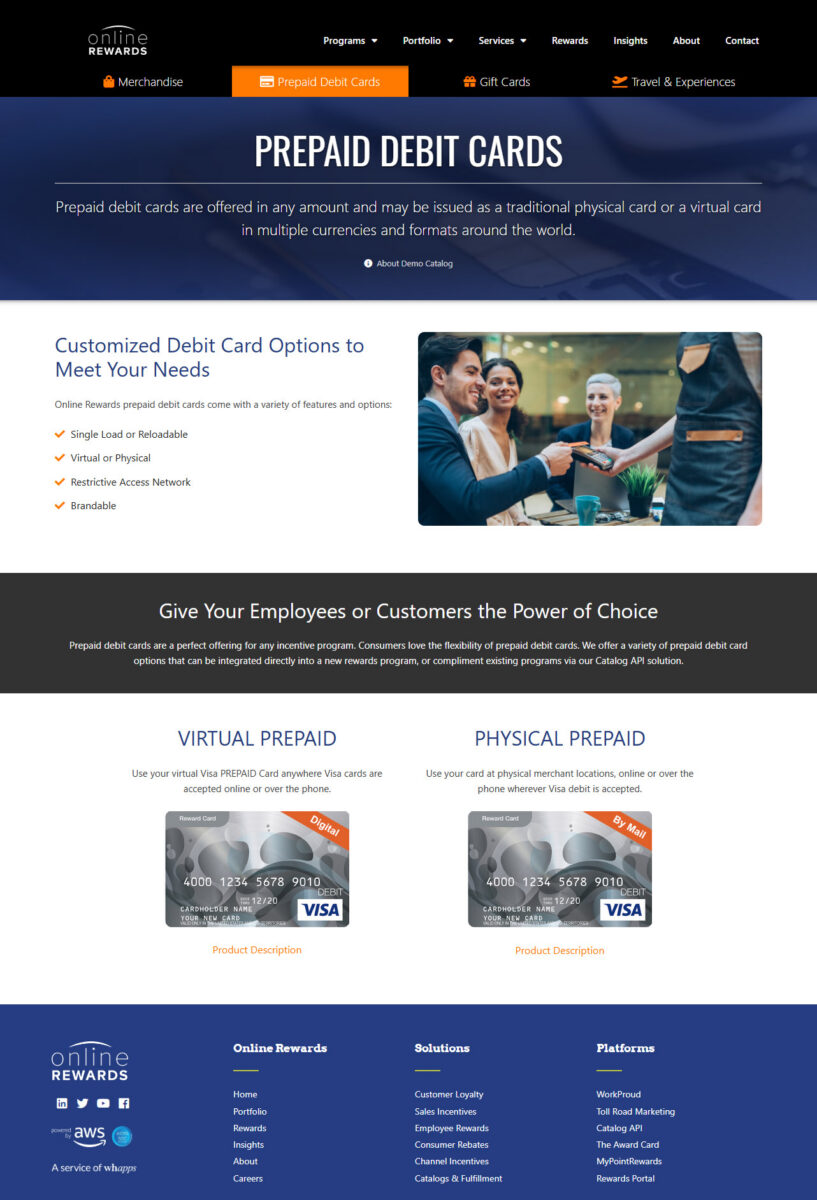
Digital rewards are the most common. These include gift cards, prepaid cards, and digital vouchers. They are popular because they can be delivered instantly and are easy to scale.
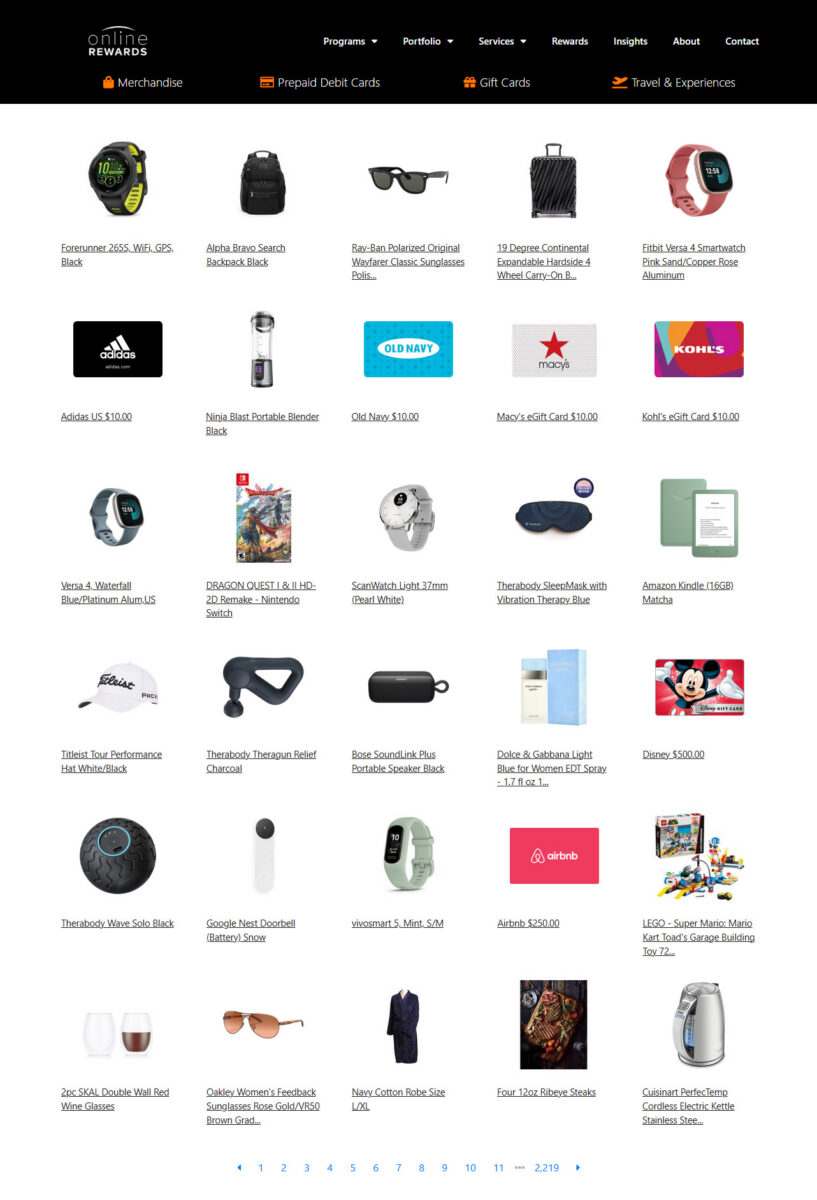
Physical rewards are also widely used. These include merchandise such as electronics, lifestyle products, or branded items. They are often used for higher-value incentives or milestone achievements.
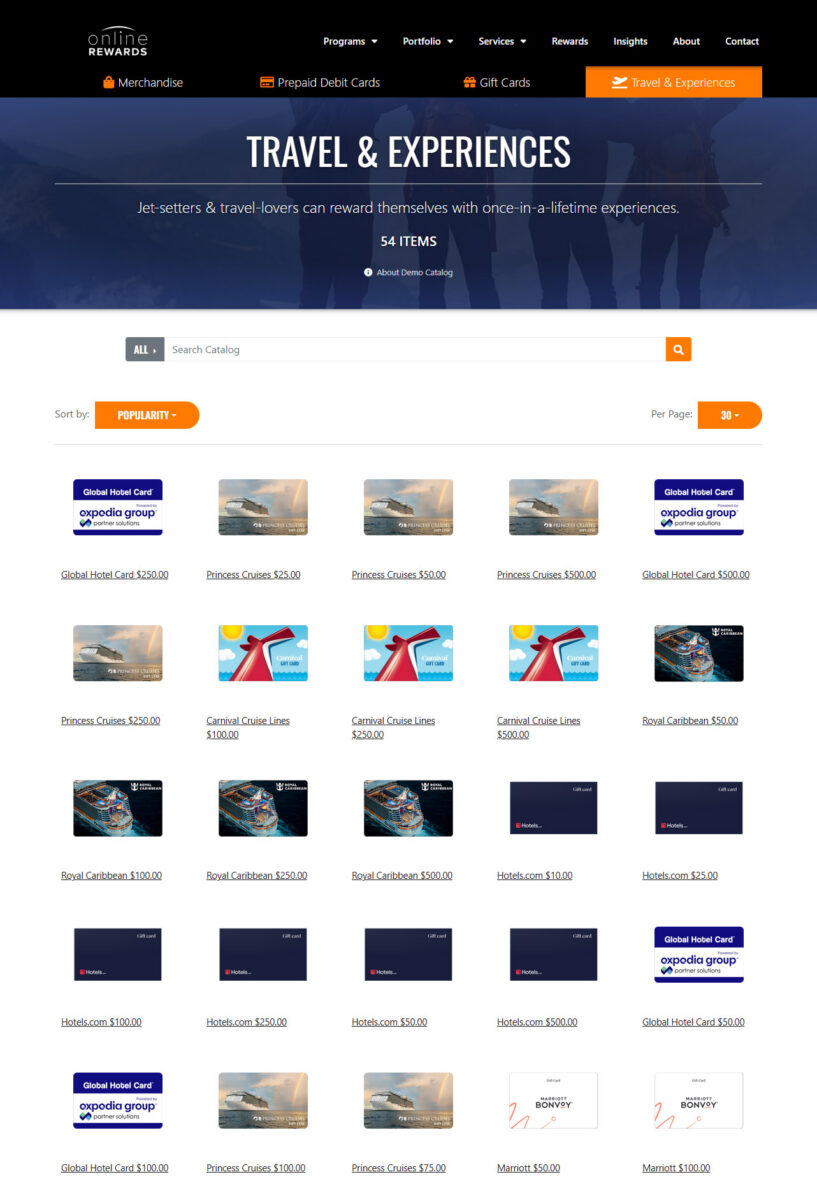
Experiential rewards are another category. These include travel, events, and unique experiences that create a stronger emotional connection with the recipient.
Many platforms also support global reward catalogs, which provide access to incentives across different countries and regions. This ensures that rewards remain relevant regardless of where users are located.
Platforms such as Online Rewards combine these reward types into a single system, making it easier to offer a diverse and flexible selection without managing multiple suppliers.

Businesses use incentive platforms because they provide a structured way to influence behavior and drive results.
One of the main reasons is engagement. Incentives create a clear connection between actions and outcomes, which encourages participation and repeat behavior.
Performance improvement is another key driver. By linking rewards to specific goals, businesses can focus attention on the activities that matter most.
Automation is also a major benefit. Instead of managing rewards manually, the platform handles tracking, allocation, and delivery. This reduces administrative work and improves accuracy.
Scalability is critical for growing organizations. Incentive platforms allow businesses to expand programs across teams, regions, and audiences without adding complexity.
In addition, they provide visibility into performance. With centralized data and reporting, businesses can understand what is working, measure return on investment, and make data-driven decisions.
Incentive platforms include a range of features designed to support program management, reward delivery, and performance tracking.
Program management tools allow businesses to define goals, create rules, and manage multiple initiatives within a single system.
A rewards catalog provides access to a variety of incentives, including digital, physical, and experiential options. In advanced platforms, this catalog is global, supporting multiple regions.
Automation features handle the process of tracking behavior and delivering rewards. This ensures consistency and reduces the need for manual work.
Reporting and analytics provide insights into participation, engagement, and outcomes. This helps businesses measure performance and optimize their programs.
Integration capabilities allow the platform to connect with systems such as CRM, HR, and marketing tools. This enables rewards to be triggered based on real-time data.
User interfaces give participants a way to track progress, view rewards, and redeem incentives, creating a seamless experience.
The terms incentive platform and rewards platform are often used interchangeably, but there is an important distinction.
A rewards platform focuses primarily on the delivery of incentives. It provides access to a rewards catalog and handles fulfillment, but may not include advanced program management or behavior tracking.
An incentive platform includes rewards as one component, but goes further. It manages the full lifecycle of incentive programs, including defining rules, tracking behavior, automating delivery, and analyzing performance.
In simple terms, a rewards platform is about what is delivered, while an incentive platform is about why and how rewards are used to influence behavior.

Yes, many incentive platforms are designed to support global programs.
This includes providing access to rewards across multiple countries, handling different currencies, and managing fulfillment in different regions.
Global capability is important for businesses operating internationally, as it ensures that incentives remain relevant and accessible to users in different markets.
A global incentive platform also helps maintain consistency. While reward options may vary locally, the overall program structure and experience can remain aligned across regions.
Platforms such as Online Rewards are built with global programs in mind, combining international reward catalogs with centralized management and reporting.
When selecting an incentive platform, businesses should evaluate several key factors.
Flexibility is important. The platform should support different types of programs and allow for customization based on specific goals and audiences.
Global capability should be considered if the business operates in multiple regions. This includes access to local rewards and reliable fulfillment.
Integration is another critical factor. The platform should connect with existing systems to enable automation and real-time data flow.
The quality and range of rewards also matter. A strong platform should offer diverse options that appeal to different users.
Ease of use is essential for both administrators and participants. A clear and intuitive interface improves adoption and engagement.
Reporting and analytics should provide clear insights into performance, allowing businesses to measure results and optimize programs.
Finally, scalability should be considered. The platform should be able to grow with the business without requiring major changes or additional systems.
In practice, an incentive platform becomes part of a company’s core engagement strategy.
For example, a sales team might use it to track deals and automatically reward performance. A marketing team might use it to run campaigns that incentivize customer actions. An HR team might use it to recognize employee achievements and reinforce company culture.
Instead of each team managing incentives separately, the platform provides a unified system that supports all of these use cases. This creates consistency and makes it easier to scale programs across the organization.
By centralizing incentives, businesses can align different initiatives around common goals and measure their impact more effectively.
An incentive platform is software that helps businesses manage and deliver reward-based programs designed to influence behavior across employees, customers, and partners.
They track user actions, apply predefined rules, and automatically deliver rewards when specific conditions are met.
They are used by sales teams, marketing teams, HR departments, and partner programs to drive engagement and performance.
Common rewards include gift cards, prepaid cards, merchandise, travel experiences, and other incentives from a rewards catalog.
Many incentive platforms support global programs by offering rewards across multiple countries and managing international fulfillment.
An incentive platform provides a structured and scalable way for businesses to influence behavior through rewards. Connecting actions to incentives enables organizations to drive engagement, improve performance, and achieve measurable results.
As programs grow in complexity, managing incentives manually or across multiple systems becomes inefficient. A centralized platform simplifies this process by combining program management, reward delivery, and reporting into one system.
Beyond operational efficiency, incentive platforms enable a more strategic approach to engagement. With automation, data insights, and global capabilities, businesses can design programs that are more effective and easier to manage.
Platforms such as Online Rewards demonstrate how a unified solution can support multiple use cases, reduce complexity, and improve outcomes across the organization.
For businesses looking to drive behavior at scale, an incentive platform is a critical tool that turns rewards into a measurable and repeatable strategy.