
Employee recognition programs are widely viewed as one of the most effective ways to improve engagement, strengthen workplace culture, and increase retention.
Yet despite significant investment in recognition initiatives, many organizations struggle to achieve meaningful results.
Participation often declines over time. Employees stop engaging with the platform. Recognition becomes inconsistent. Managers lose interest. The program slowly fades into the background.
The problem is rarely recognition itself.
The problem is usually how the program is designed, implemented, and maintained.
The most successful employee recognition programs are not simply reward systems. They are engagement frameworks that reinforce desired behaviors, align with company culture, and create meaningful experiences for employees.
Understanding why programs fail is the first step toward building one that delivers long-term impact.
Recognition is a fundamental part of employee engagement.
Recognition also helps reinforce organizational values by highlighting behaviors that contribute to success.
This creates positive feedback loops that strengthen culture and improve morale.
For many organizations, recognition is one of the simplest and most cost-effective tools available for improving employee experience.
However, recognition only works when employees actually value and participate in the program.
One of the most common reasons recognition programs fail is that the experience feels generic and impersonal.
Employees quickly recognize when appreciation is authentic versus automated.
Generic recognition often feels like a corporate process rather than genuine appreciation.
As a result, employees engage less frequently and may stop participating altogether.
Recognition should be specific and meaningful.
Instead of saying: “Great job.”
Specific recognition creates a stronger emotional impact and reinforces desired behaviors more effectively.

Many recognition programs rely heavily on manager participation.
When managers fail to participate, employees notice.
Recognition programs quickly lose credibility when acknowledgment becomes infrequent or unevenly distributed.
Employees may begin to perceive recognition as arbitrary rather than meaningful.
Organizations should actively encourage and support manager participation.
This may include:
Recognition should become part of management practice rather than an optional activity.
Many programs focus heavily on annual awards, quarterly recognition events, or milestone celebrations.
While these initiatives can be valuable, they often fail to provide ongoing reinforcement.
Employees benefit most from recognition that occurs close to the behavior being recognized.
Waiting months to acknowledge contributions weakens the connection between effort and appreciation.
Recognition should be timely.
Organizations should encourage:
The closer recognition is delivered to the desired behavior, the more effective it becomes.
Modern recognition platforms help support this by enabling employees and managers to recognize achievements instantly.
Employee engagement programs often fail because participation requires too much effort.
If employees need to work hard to participate, many simply will not engage.
This is especially true for busy teams already managing multiple systems and priorities.
Recognition should be simple and accessible.
Simplicity consistently improves adoption and long-term engagement.

While recognition is often more important than monetary value alone, rewards still play an important role in many programs.
A common problem occurs when rewards feel irrelevant or outdated.
What motivates one employee may not motivate another.
This is particularly important in organizations with diverse and distributed workforces.
Provide greater flexibility and choice.
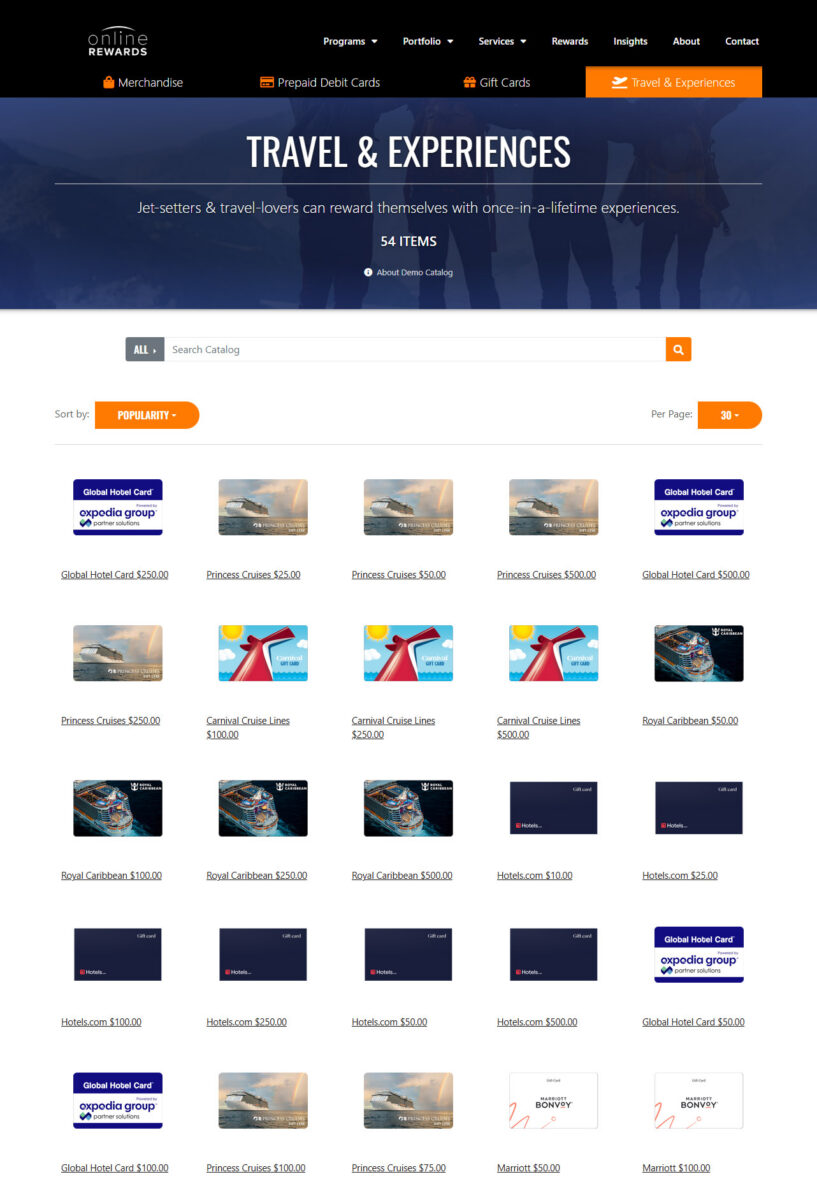
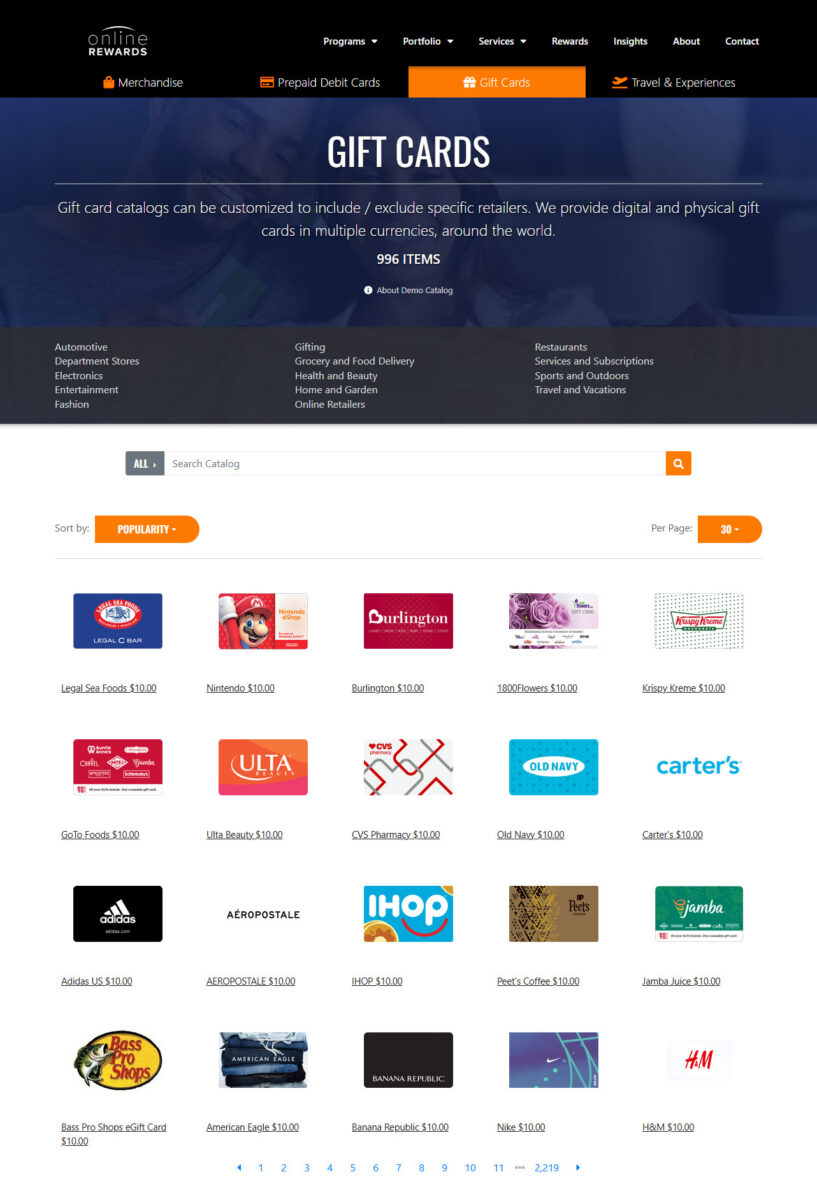
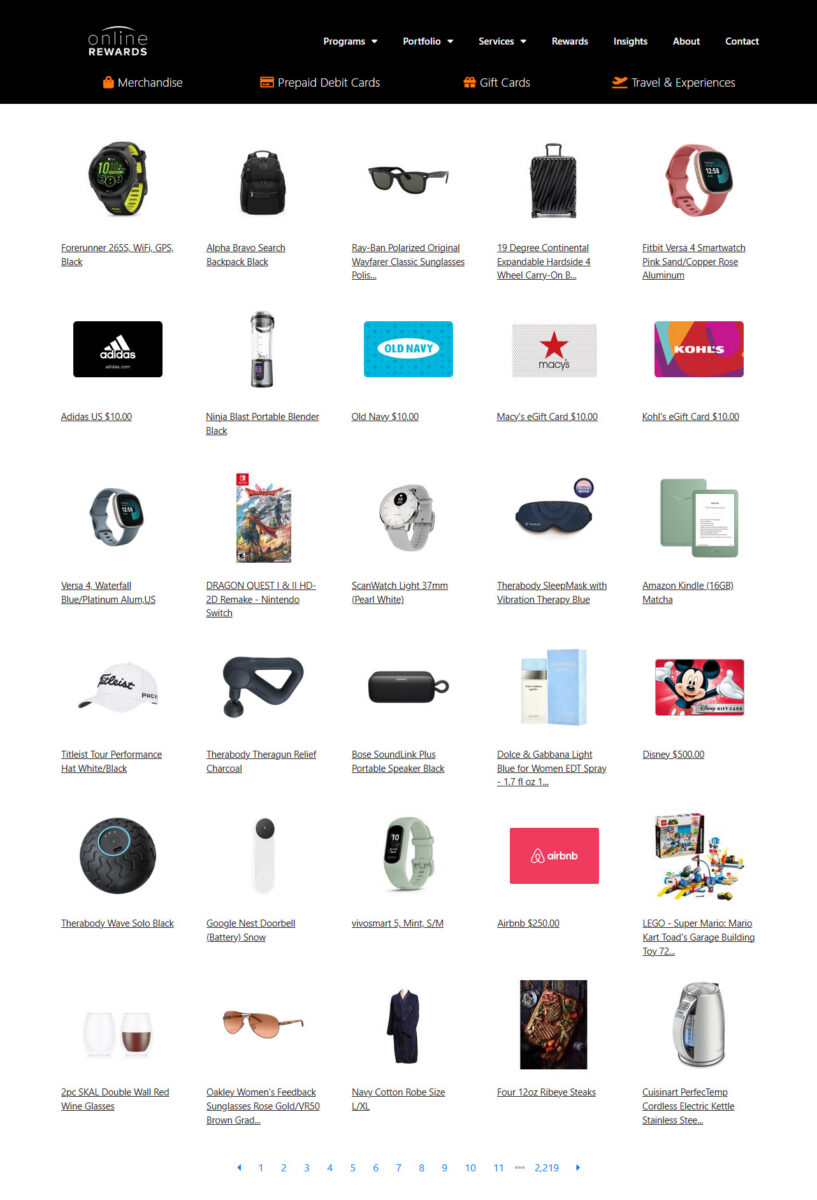
Modern rewards programs often use rewards catalogs that allow employees to select personally meaningful incentives.
Choice increases perceived value and improves overall engagement.
Platforms such as Online Rewards help organizations provide flexible global reward options through centralized rewards infrastructure.
Many recognition programs fail because they operate separately from the culture the organization is trying to build.
Employees receive rewards or recognition, but there is no clear connection between the behavior being recognized and the company’s broader objectives.
As a result, recognition becomes random rather than strategic.
Employees may appreciate being recognized, but they do not gain a clear understanding of what behaviors the organization values most.
Recognition should be tied directly to company values and desired behaviors.
For example, organizations may create recognition categories linked to:
This helps employees understand what success looks like while reinforcing the culture the organization wants to create.
Over time, values-based recognition becomes a powerful tool for shaping workplace behavior.
Traditional recognition programs often place responsibility entirely on managers.
While manager recognition is important, it is not the only source of meaningful appreciation in the workplace.
Employees frequently work closely with colleagues who witness contributions that managers may never see.
When recognition can only come from management, many valuable contributions go unnoticed.
Introduce peer-to-peer recognition.
This increases participation while creating a more inclusive culture of appreciation.
The combination of manager recognition and peer recognition typically creates the most balanced and effective approach.

Many organizations launch recognition programs without establishing clear success metrics.
Without data, it becomes difficult to improve the program or justify continued investment.
Recognition programs should include measurable objectives and reporting from the beginning.
Centralized reporting helps organizations identify what is working and where improvements are needed.
Modern engagement platforms provide visibility into recognition activity and broader program performance, allowing continuous optimization over time.
Many recognition programs are built for small teams and become difficult to manage as organizations grow.
What works for a company with 50 employees often becomes inefficient at 5,000 employees.
Recognition programs should be built on an infrastructure that supports growth.
Platforms such as Online Rewards help organizations scale recognition programs while maintaining consistency across teams, locations, and countries.
While recognition programs vary between organizations, the most successful initiatives share several characteristics.
Most importantly, successful programs focus on reinforcing behaviors rather than simply distributing rewards.
Recognition becomes part of the everyday employee experience rather than an occasional event.
This creates stronger engagement and more sustainable long-term results.
Employee recognition programs often fail because they are too generic, difficult to use, poorly adopted by managers, disconnected from company values, or lack meaningful rewards and measurement.
Recognition is most effective when it occurs regularly and close to the behavior being acknowledged. Frequent recognition generally produces stronger engagement than occasional formal awards.
Recognition itself can be highly effective, but meaningful rewards often increase participation and help reinforce engagement, particularly in larger programs.
Popular options include gift cards, experiences, merchandise, travel rewards, digital incentives, and recognition-based awards. Offering choice typically improves engagement.
Common metrics include participation rates, recognition frequency, manager involvement, reward redemption, employee engagement scores, and retention trends.
Employee recognition remains one of the most powerful tools available for improving engagement, retention, and workplace culture.
However, many programs fail because they focus on rewards rather than experience, or because they lack the structure needed to drive long-term participation.
As organizations grow, recognition must also become scalable.
Modern engagement platforms help businesses automate recognition, provide meaningful reward choices, support global teams, and measure performance through centralized reporting.
Platforms such as Online Rewards enable organizations to build recognition programs that move beyond simple appreciation and become strategic tools for engagement and culture development.
When recognition is designed correctly, it becomes more than a program. It becomes part of how the organization reinforces success, strengthens relationships, and creates an environment where employees feel valued and motivated to contribute.